Last updated October 30, 2026
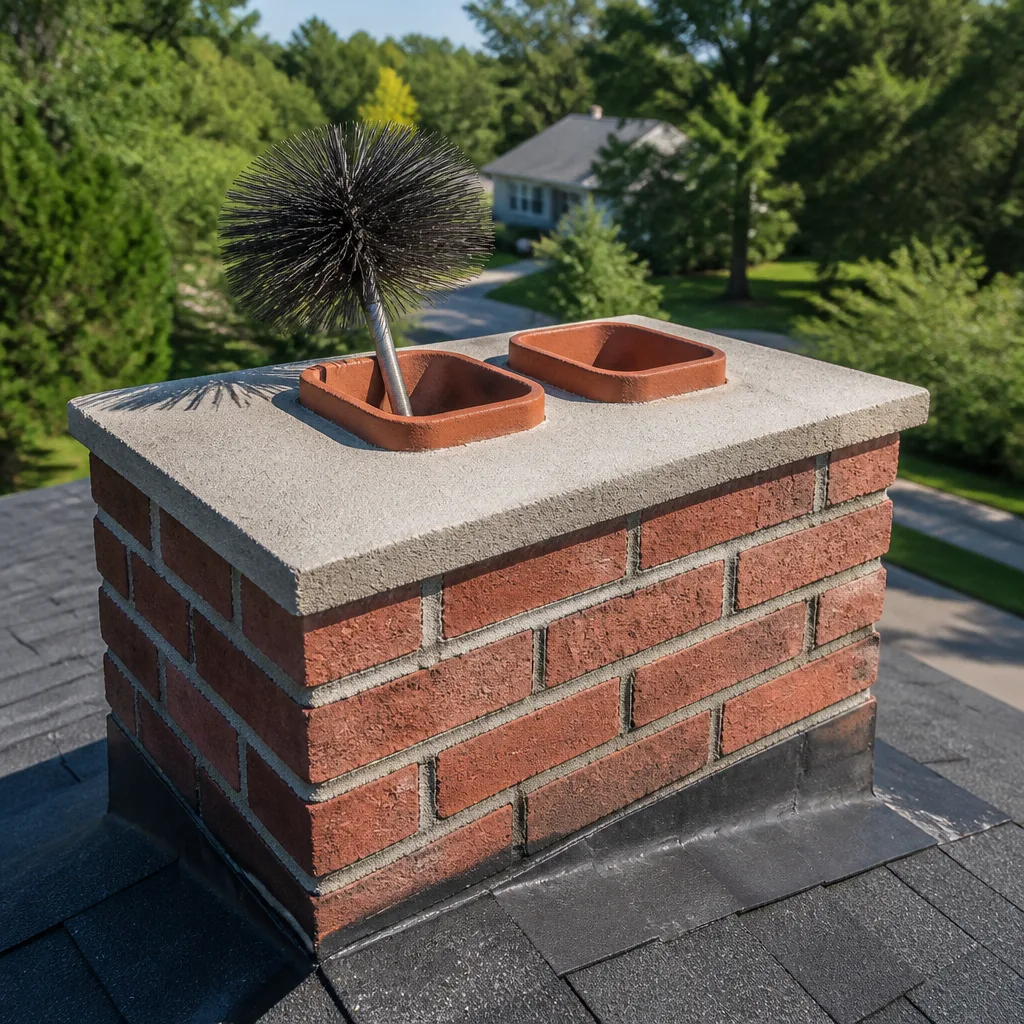 Sweep & inspection
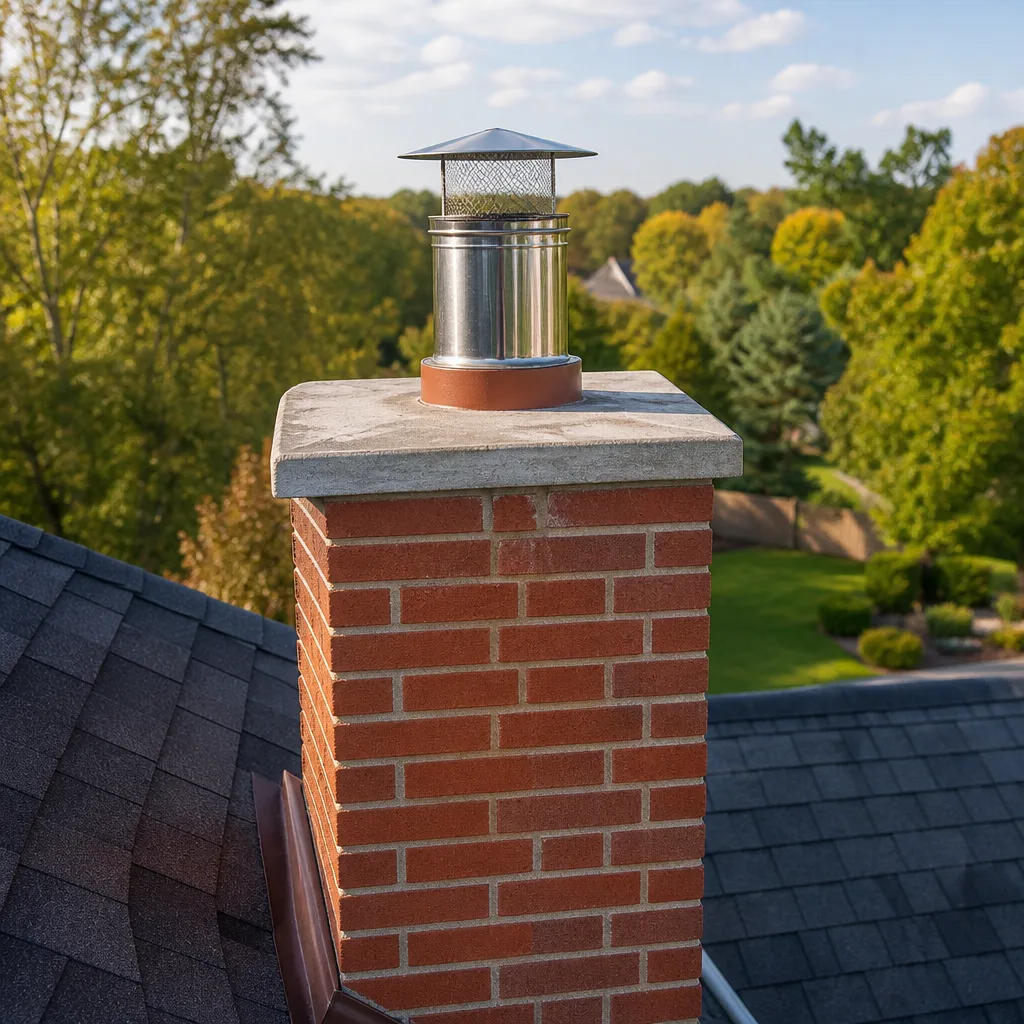
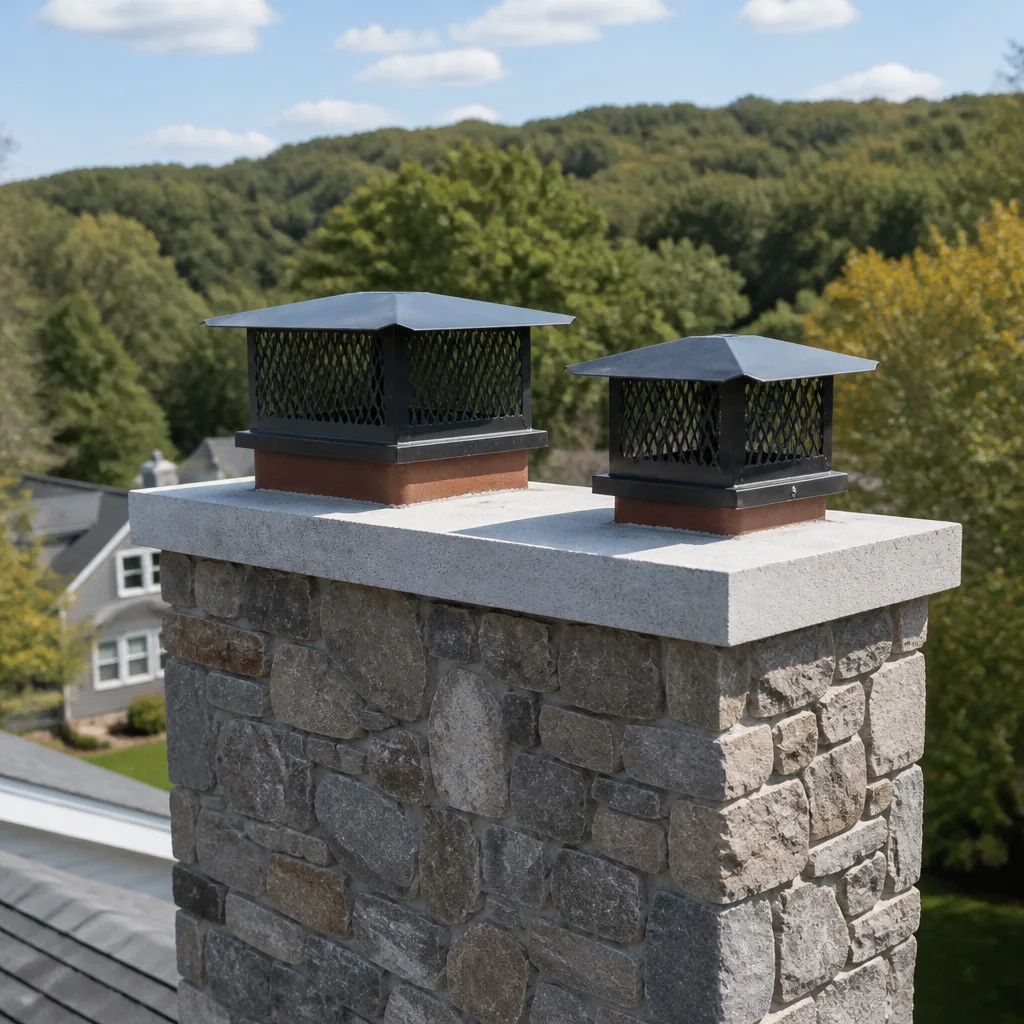 Caps & crowns
 Flue relining
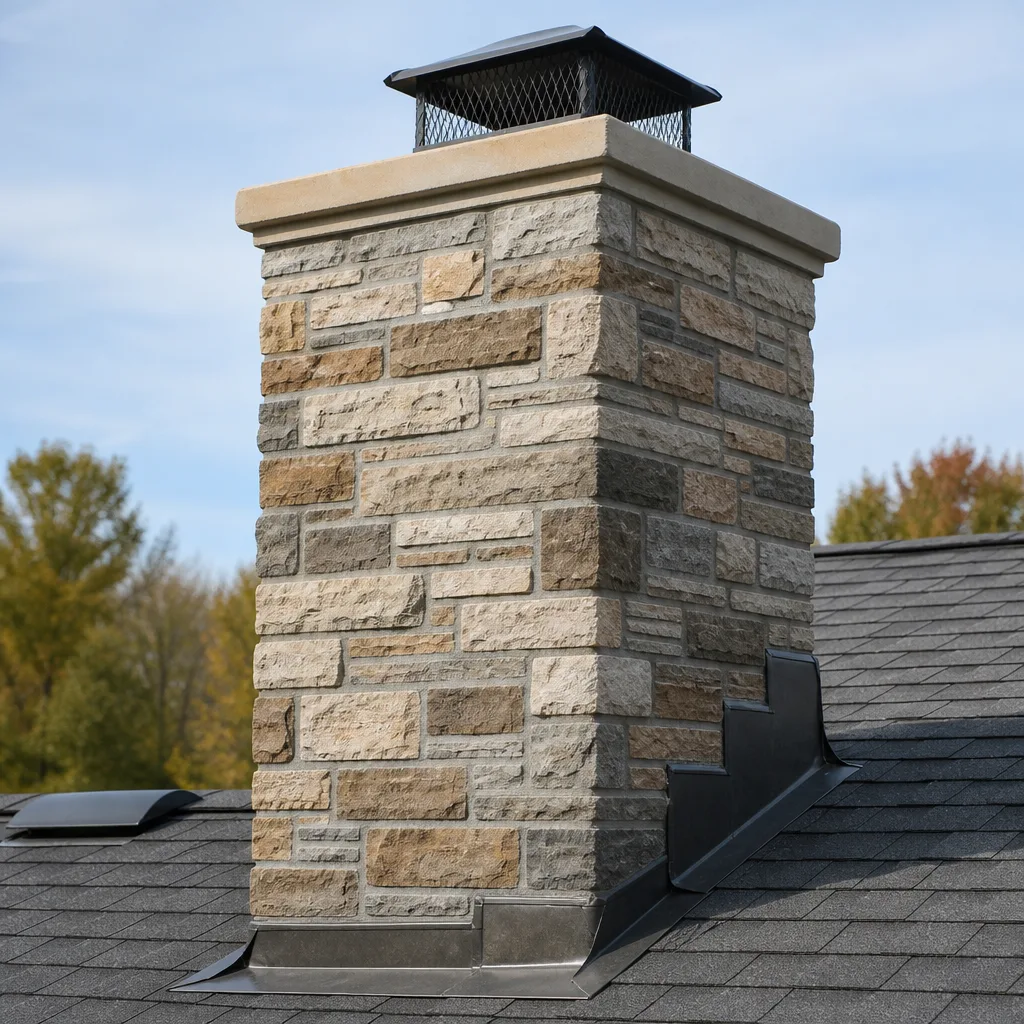 Masonry repair
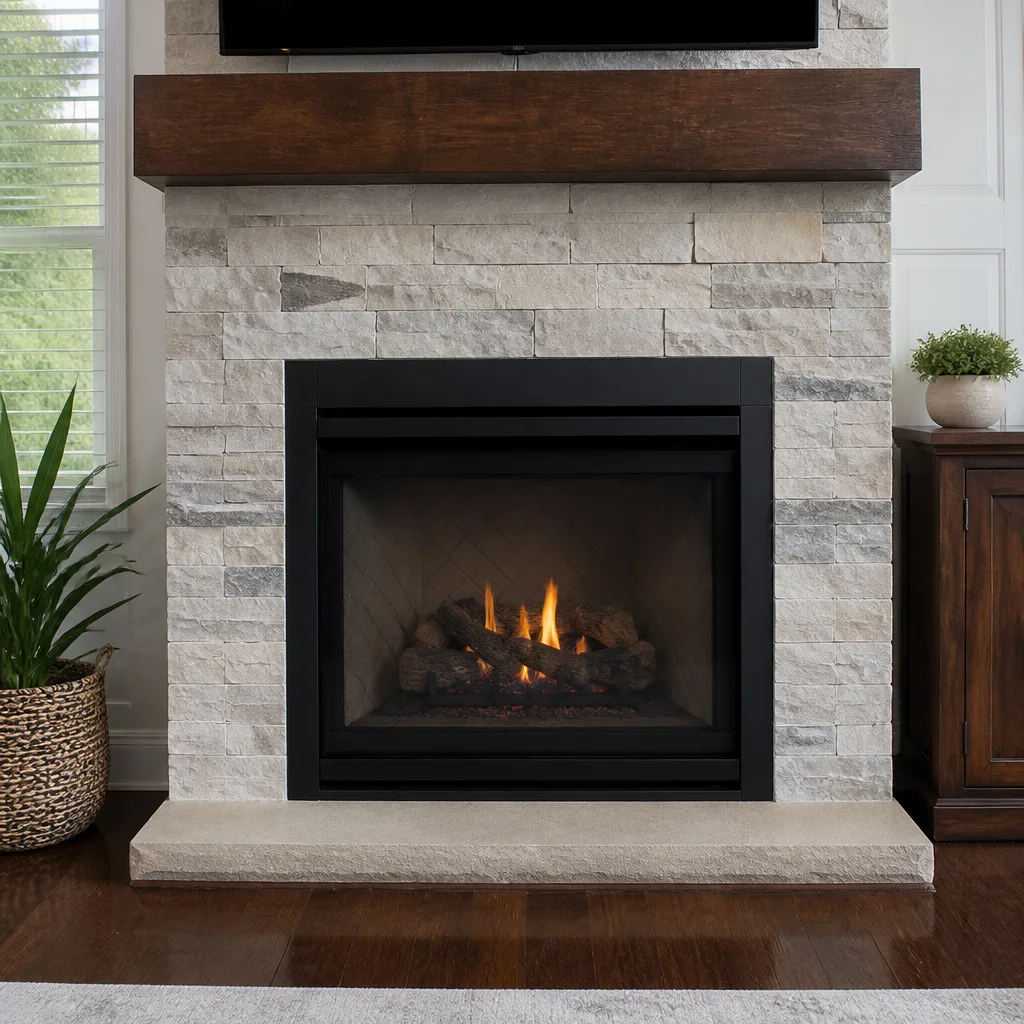 Gas fireplace service
Level 1 sweep and inspection to the NFPA 211 annual standard - flue, crown, cap, and flashing checked and photographed
Chimney sweep logs do not sweep chimneys. They loosen some creosote - which then falls where a brush and vacuum still have to collect it.
Choosing the Right Chimney Cleaning Brand: A Buyer’s Guide for Murrieta
Most Murrieta homeowners assume a chimney sweep is a chimney sweep – one truck, one set of brushes, one standard result. The reality is more complicated, and it shows up most clearly when a repair quote lands on the kitchen table. The contractor might reference HeatShield, Copperfield, or Lindemann, and you’re left Googling names that sound like industrial suppliers, not household brands. What those names actually represent is the difference between a liner that holds up through a decade of Murrieta’s summer heat cycles and one that fails right after the warranty expires. This guide explains what the major chimney supply brands actually make, which problems they solve, and the questions that force a contractor to be specific about what’s going into your chimney. For a deeper look at the full process, see The Complete Chimney Sweep Guide for Murrieta Homeowners.
Quick Answer
Choosing the right chimney cleaning brand in Murrieta comes down to asking one question: does the contractor name the specific products they use, and can you verify them independently? Professional-grade brands like Copperfield (caps and components), Lindemann (flexible liner systems), and HeatShield/Saver Systems (resurfacing compounds) are sold through trade supply channels, not big-box shelves. A contractor who names their materials and explains why they chose them is giving you a quality standard you can hold them to.
Styles & brands we work with
Table of Contents
- The Brands Homeowners Actually Need to Know
- What a “Chimney Cleaning Brand” Really Means
- Why the Supply Channel Matters More Than the Brand Name
- Material Specifications That Matter in Murrieta’s Climate
- Seven Questions That Force a Contractor to Name Products
- How to Verify a Contractor Is Using Professional-Grade Materials
- Repair Scenarios and the Materials Behind Them
- Common Mistakes to Avoid
The Brands Homeowners Actually Need to Know
HeatShield, Lindemann, and Copperfield aren’t names you’ll find on a shelf at Home Depot. They appear on the side of liner boxes, on cap packaging, and in the material lists of professional chimney contractors who order from trade supply houses. Each covers a different slice of the chimney anatomy, and that’s the first thing to understand.
Copperfield makes chimney caps, chase covers, and related components – the metal work that sits at the top of your flue and keeps rain, birds, and embers out. In Murrieta, where summer temperatures routinely cross 100 degrees and UV exposure is intense year-round, a cap made from thin gauge, big-box sheet metal will warp and rust faster than one fabricated from the heavier materials Copperfield and similar trade suppliers produce. A cap isn’t decorative. It’s the roof over your flue’s head.
Lindemann is known for flexible chimney liner systems – the corrugated stainless steel tubes that run the length of your flue when the original clay tile liner has cracked or separated. A liner isn’t a generic metal tube. The alloy matters: 316L stainless holds up against the acidic condensate produced by gas appliances, while 304 stainless is fine for wood-burning but can corrode faster in gas flues. Contractors who specify Lindemann are typically pulling from a professional supply channel where alloy grades are marked and traceable. That matters when a liner is supposed to last twenty-plus years.
HeatShield and the Saver Systems line represent a different approach: resurfacing. Instead of pulling out a damaged flue tile and dropping in a new liner, HeatShield’s materials are used to coat and seal the existing flue interior – a specialized ceramic compound applied in layers. It’s often the right call for smoke chambers and minor liner spalling, and it’s substantially less invasive than a full reline. But it only works when the underlying structure is sound, which is exactly why the inspection before the recommendation is so important.
Mayflower Chimney Sweep works with six professional-grade supply brands – DuraFlex, HeatShield, Gelco, Olympia Chimney, Famco, and Copperfield – and maintains stock of each so repairs aren’t delayed by supply orders. We name what we use and stand behind it. A homeowner in Murrieta who has never heard of DuraFlex has every right to ask what it is, and we’d rather explain it than hide behind “premium materials.”
What a “Chimney Cleaning Brand” Really Means
The phrase “chimney cleaning brand” is a bit of a misnomer. The tools and supplies involved in sweeping – brushes, rods, vacuums, drop cloths – are less important than the brands involved in the repair side of the work. Sweeping itself is a physical skill: knowing how to set up, how to protect the living space, how to read what comes off the flue walls, and how to position the inspection camera so you actually see the problem areas. For more on what this involves, read The Complete Guide to Chimney Cleaning in Murrieta. But when a sweep reveals a cracked flue tile or a rusted cap, the brand conversation becomes real. That’s when the contractor reaches for a specific product, and that’s when you should be listening for a specific name.
A copper cap from a trade brand like Copperfield or Olympia Chimney is fabricated to a spec – specific gauge, specific alloy, specific dimensions for the flue it protects. A generic cap from a retail shelf might fit, but it might also be 26-gauge steel that the first Santa Ana wind season bends out of shape. Same visual product, different engineering underneath.
The same logic applies to liners. DuraFlex, a brand widely used by certified chimney professionals, manufactures flexible stainless liners in specific alloys and wall thicknesses. The distinction isn’t marketing – it’s metallurgy. A gas fireplace produces acidic condensate that eats ordinary steel. A wood stove produces creosote that can reach 2,000 degrees in a chimney fire. The liner is the thing standing between those conditions and the wood framing of your house. If a contractor can’t name the liner brand and alloy, they haven’t really specified anything.
We carry DuraFlex and HeatShield liners and sealants because they’re the same materials used by certified chimney professionals nationwide. Customers can research them independently. That’s the point. A quality brand is a quality standard you can actually check.
Why the Supply Channel Matters More Than the Brand Name
Here’s the distinction most homeowners never hear: professional chimney supply brands are sold through trade distribution channels, not consumer retail chains. Contractors order Copperfield caps, Lindemann liners, and HeatShield compounds through regional supply houses that require a business license and typically a contractor credential to open an account. Big-box stores sell chimney accessories too, but those products are built for price-point retail, not professional installation cycles.
Why does this matter for a Murrieta homeowner? Because the supply channel determines what happens when something fails. A contractor installing a DuraFlex liner through a professional channel has access to manufacturer technical support, installation certification, and a warranty process that actually functions. A contractor who buys a generic liner off a retail shelf and installs it has no such recourse – and neither do you, because the product was never intended for that install scenario.
The Southern California heat environment makes this worse. Metal expands and contracts with every day-night temperature swing. In Murrieta, where summer nights can drop 30-plus degrees from daytime peaks, a chimney cap and liner system might cycle through tens of thousands of expansion-contraction events over a decade. Trade-grade materials are designed for that fatigue loading. Retail-grade metal is designed to be affordable at the point of sale.
Our Chimney Repair in Murrieta work uses named-brand components from the professional supply channel. Homeowners get a paper trail of what was installed – the brand, the product line, the spec. That’s not a marketing gimmick. It’s the same documentation discipline that protects you if a warranty claim is ever needed.
Material Specifications That Matter in Murrieta’s Climate
Southern California is not a uniform climate. Murrieta sits inland, which means hotter summers than coastal cities, cooler winter nights, and a dry heat that accelerates UV degradation on anything exposed to direct sun. Your chimney cap is fully exposed. So are any external metal components. Material choice matters here in ways it wouldn’t in a foggy coastal town or a shaded pine forest.
Here are the specific stress factors to consider:
- Thermal cycling: Murrieta’s daytime-to-nighttime temperature swings can exceed 30 degrees. Metal flue components expand and contract with every cycle. Thin, low-cost metals fatigue faster under repeated cycling; thicker gauge and proper stainless alloys resist fatigue cracking.
- UV exposure: Murrieta averages 275-plus sunny days per year. Painted caps and chase covers from retail channels fade and chalk. Powder-coated or stainless finishes from trade brands are designed for extended sun exposure without coating breakdown.
- Santa Ana wind loads: During Santa Ana season, gusts can hit 60 to 80 mph in exposed foothill areas around Murrieta. A cap with a weak mounting system or thin metal will bend or blow clear off. Trade-grade caps include reinforced mounting collars and heavier gauge material to handle those wind loads.
- Creosote chemistry: Wood-burning fireplaces in Murrieta’s winter produce creosote that varies with the type of wood burned. Ponderosa pine and eucalyptus both burn differently. A liner that handles one might degrade under the other’s acidic condensate. Alloy selection (316L vs 304 stainless) matters more than most people realize.
When we inspect a chimney in Murrieta, we look at these specific factors. A cap that’s been on a west-facing exposure for five years is going to look different than one on a north-facing flue in a shaded gable. Professional-grade materials from Copperfield and Olympia Chimney are manufactured with these environmental realities in mind. Retail caps are manufactured for the widest possible price tolerance.
Seven Questions That Force a Contractor to Name Products
The goal isn’t to interrogate a contractor. It’s to make sure the person quoting your repair can actually explain what they’re installing and why. A professional who specifies products will welcome these questions. A contractor who resents them is telling you something.
- “What brand of liner are you using, and what alloy?” If the answer is “top of the line” or “the best one,” ask again. You want a brand name (DuraFlex, Lindemann, etc.) and an alloy grade (316L or 304 stainless). If neither is forthcoming, the contractor might not be specifying anything at all.
- “Why did you choose that product for my chimney?” The answer should reference your specific situation: wood vs gas, flue size, existing damage type, or local climate factors. “It’s what I’ve always used” is not a technical answer.
- “Is this product sold through professional supply channels?” If the product is available on a retail shelf, ask what’s different about the specification. Sometimes the answer is “nothing” – and that’s a valid response for a basic cap. But the contractor should be able to explain the difference.
- “What’s the manufacturer’s warranty, and what does it cover?” Trade brands carry specific warranty terms, often 20-plus years on liners and longer on stainless caps. If the answer is fuzzy, the warranty likely doesn’t exist in any meaningful form.
- “Can I see the product before you install it?” A professional who orders through trade supply will typically be able to provide spec sheets, photos, or physical samples. The willingness to show the product is itself a signal.
- “What happens if this fails in five years?” The answer should cover warranty, remediation, and the contractor’s own workmanship guarantee. If the answer is “that won’t happen,” you’re not getting a warranty – you’re getting a hope.
- “Will the invoice list the brand and model of everything you install?” This is the paper trail question. If the contractor won’t put the brand name on the invoice, you lose any future warranty leverage. Every material we install at Mayflower appears on the invoice by name.
How to Verify a Contractor Is Using Professional-Grade Materials
You shouldn’t have to be a materials scientist to hire a chimney contractor. But a little verification goes a long way, and all of it can be done without leaving your kitchen.
Start by asking for the brand names during the estimate, not after. A contractor who mentions HeatShield for a smoke chamber restoration before you ask is thinking in specifications, not generic “repair service.” That’s a positive signal. When the brand names come up, take two minutes to search them online. DuraFlex, Copperfield, and Olympia Chimney all have manufacturer websites with product specifications, installation guidelines, and warranty information. If the brand the contractor named doesn’t exist in a search, something’s off.
Next, ask for the product’s spec sheet or installation guide. Trade brands produce documentation for contractors – often printed or PDF. If the contractor can produce one, that’s verification of supply chain. If they wave you off with “you don’t need to worry about that,” consider that a red flag for the material reality: they might be using whatever is on the truck, not a specified product.
Finally, ask whether the contractor is certified by a national body like the Chimney Safety Institute of America (CSIA). Certification isn’t a guarantee of material quality, but it’s a baseline. Certified sweeps have passed exams on fire codes, inspection procedures, and safety standards. It’s the minimum floor for the conversation you’re trying to have.
For anyone exploring the full range of what a proper inspection involves, our Chimney Sweep in Murrieta page walks through the process in detail.
Repair Scenarios and the Materials Behind Them
Different chimney problems call for different product categories. Understanding which problem maps to which material helps you evaluate a contractor’s recommendation with some actual reference points.
Liner Relining
When a chimney’s original clay tile liner has cracked, separated, or deteriorated to the point where flue gases could escape into the house or chimney structure, the fix is a liner system. Flexible stainless liners from brands like DuraFlex or Lindemann are pulled through the existing flue and connected top and bottom. The critical specification is alloy: 316L stainless for gas appliances (acidic condensate resistance), 304 stainless for wood-burning (creosote temperature tolerance). A proper reline in Murrieta typically runs $2,500 to $6,500 depending on flue height, difficulty, and whether a new cap and crown are included.
Smoke Chamber Restoration
The smoke chamber sits above the firebox and below the flue. Factory-built or masonry smoke chambers often have corbelled brick and rough mortar joints that catch creosote easily. HeatShield and similar resurfacing compounds are designed to seal and smooth this area, closing off joints and creating a more thermally efficient path for smoke. This is a specialized application – it requires the right compound, the right application equipment, and a clear understanding of when resurfacing works versus when structural repair is actually needed. In our experience, a significant portion of smoke chamber work in Murrieta is recommended prematurely on chambers that are actually fine. Camera evidence should support every recommendation.
Cap and Chase Cover Replacement
Chimney caps and chase covers protect the flue opening from water, animals, and debris. In Murrieta’s sun and wind, they’re also the most UV-exposed and wind-loaded component. Trade brands like Copperfield and Famco manufacture caps in heavier gauges with reinforced mounting systems designed for extended exposure. A cheap replacement cap might save $100 to $200 today and need replacing again in three years. A professional cap costs more upfront and lasts significantly longer. This is the easiest place to ask for a brand name and get a straight answer.
Dryer Vent Systems
A clothes dryer vent is subject to the same physics as a chimney: heated air, lint accumulation, and clear exhaust requirements. But dryer vents are often overlooked entirely until a problem appears. Our Dryer Vent Cleaning in Murrieta service addresses this fire-safety issue with the same diagnostic rigor we bring to fireplace work. The materials involved are simpler – rigid or semi-rigid aluminum vent runs, proper termination caps, foil tape connections – but the principle is identical: specify the material, install it correctly, verify the airflow.
What a Good Material Spec Actually Looks Like
- Liner: 316L stainless steel, flexible, 6-inch diameter, DuraFlex brand, listed to UL 1777
- Smoke chamber: HeatShield Cerfractory sealant, applied in two coats, verified with camera inspection
- Cap: Copperfield stainless top-mounted cap, 304 stainless, with spark arrestor mesh and wind-resistant mounting collar
- Crown: Portland-based crown mix with polymer additive for flexibility and freeze-thaw resistance, tooled to 2-inch minimum thickness at flue edge
Compare that to “new liner, new cap, guaranteed” – the difference is the difference between a specification and a sales floor.
Common Mistakes to Avoid
- Hiring on price alone. A Murrieta chimney repair priced $1,500 below every competitor is that price for a reason. The difference is almost always in the materials – gauge, alloy, warranty. You’ll find out which corner was cut in three to five years, and it won’t be convenient.
- Not asking for brand names. If you don’t ask, the contractor isn’t obligated to name anything. Generic “premium materials” language costs nothing and means nothing. Ask. Write it down. Google it.
- Assuming all stainless is the same. 304 stainless and 316L stainless are different alloys with different applications. A gas flue lined in 304 will corrode faster than one lined in 316L. The contractor should know this and the invoice should state it.
- Skipping the camera inspection. Any contractor recommending a liner or resurfacing job should show you the camera footage that justifies it. No footage, no trust. It’s that simple.
- Accepting a handshake warranty. A verbal “lifetime guarantee” from a contractor who won’t put material brands on the invoice is worthless. Get it in writing. Get the brand names. Get the manufacturer warranty terms.
- Ignoring the dryer vent. Dryer vents are the chimney most Murrieta homeowners interact with weekly, and the one they inspect least often. Lint accumulation is a leading cause of household fires. A chimney company that also handles dryer vent cleaning is looking at the whole exhaust picture, not just the fireplace.
- Presuming a sweep will catch everything. A standard chimney sweep includes cleaning and a basic visual inspection. It does not include the level of camera work or diagnostic nuance that leads to correct material specifications for repair. If a sweep never mentions brands, they’re not in the repair conversation yet.
See the difference
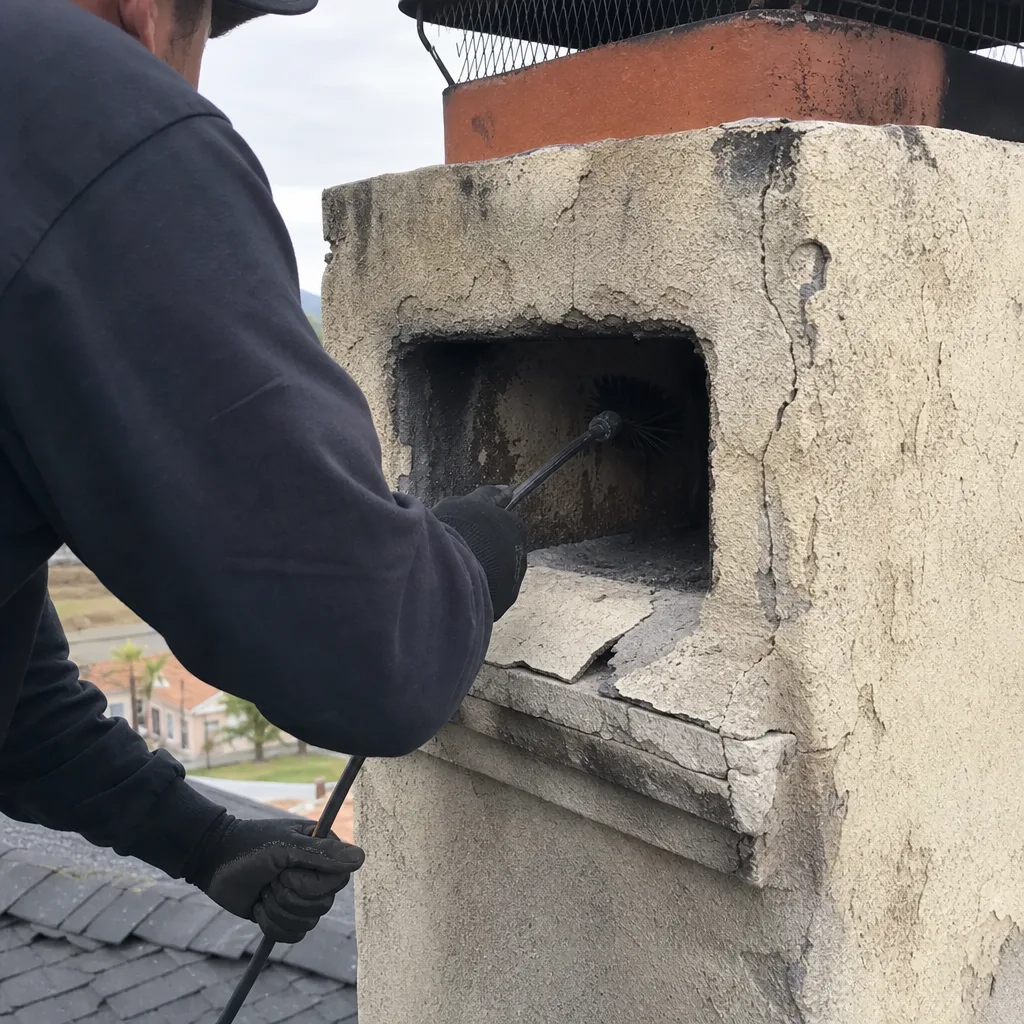 Before
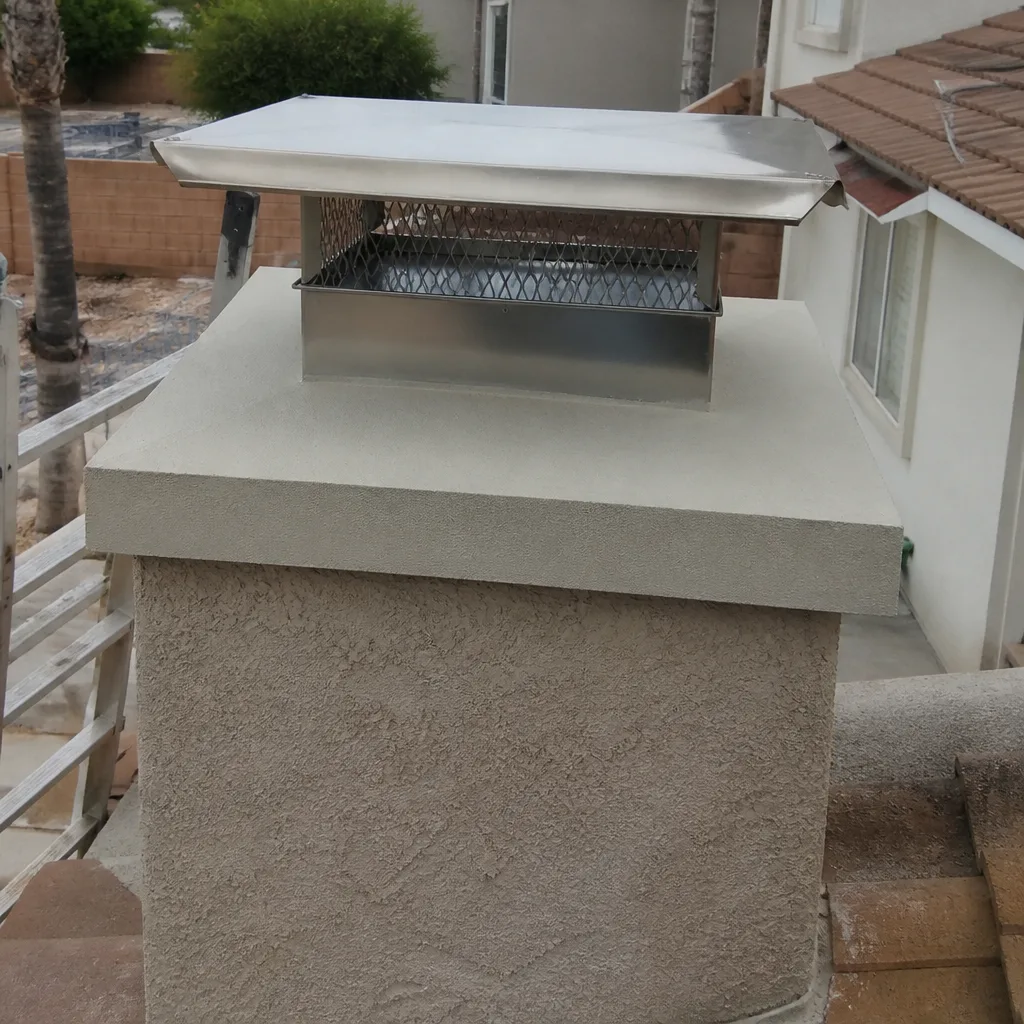 After
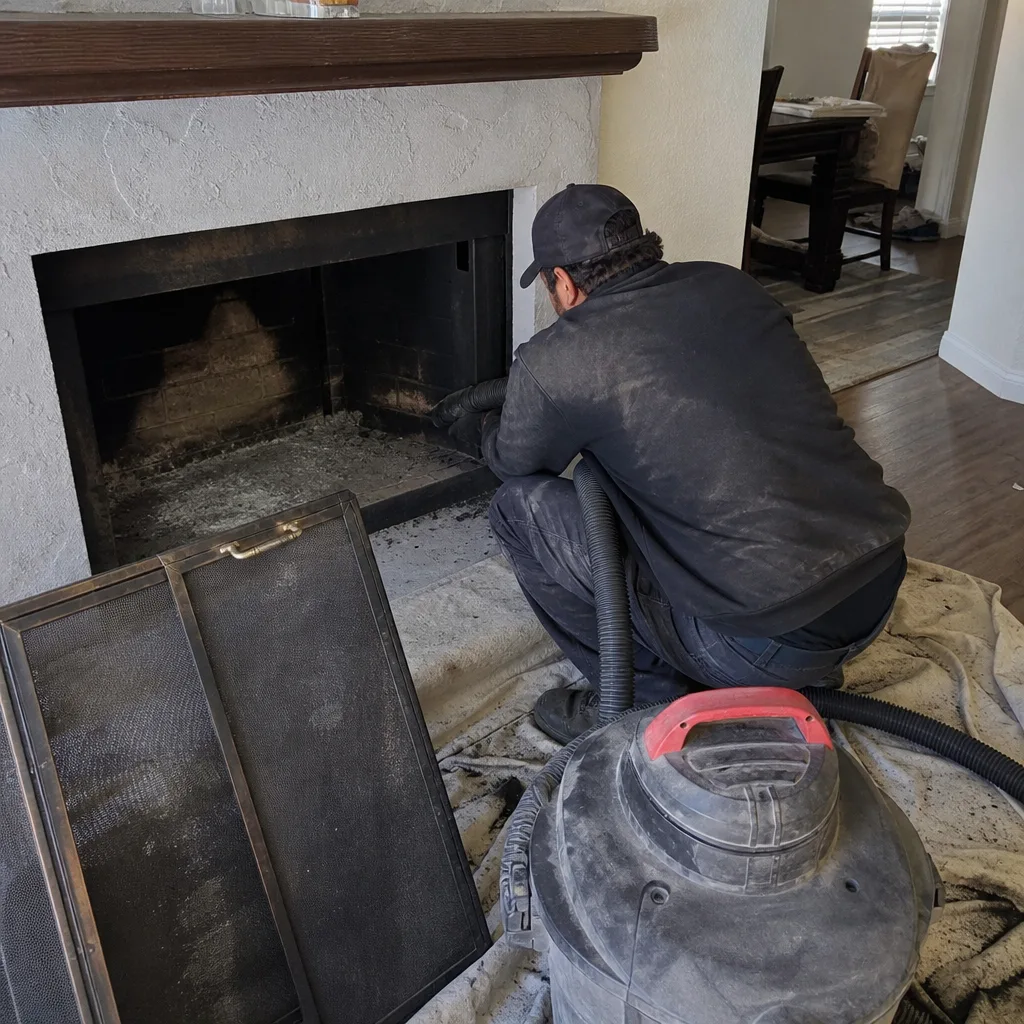 Before
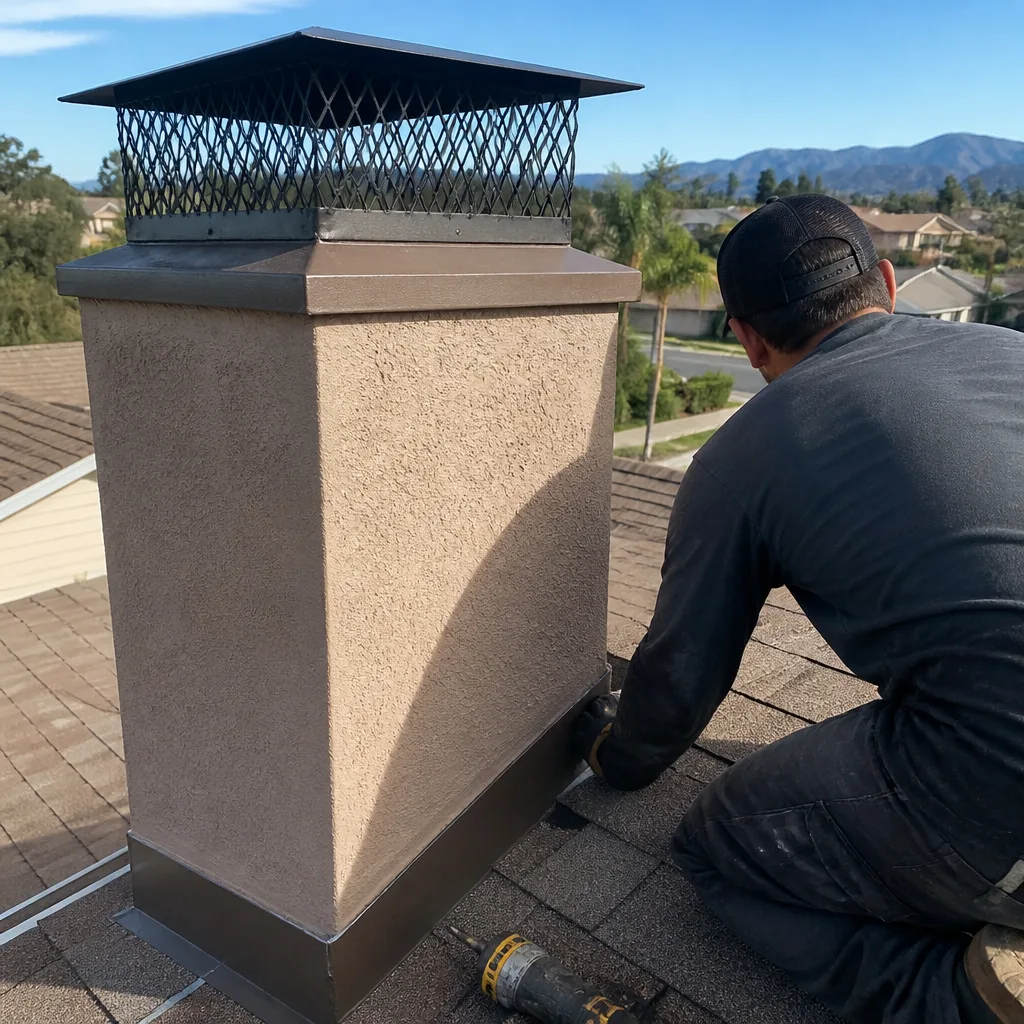 After
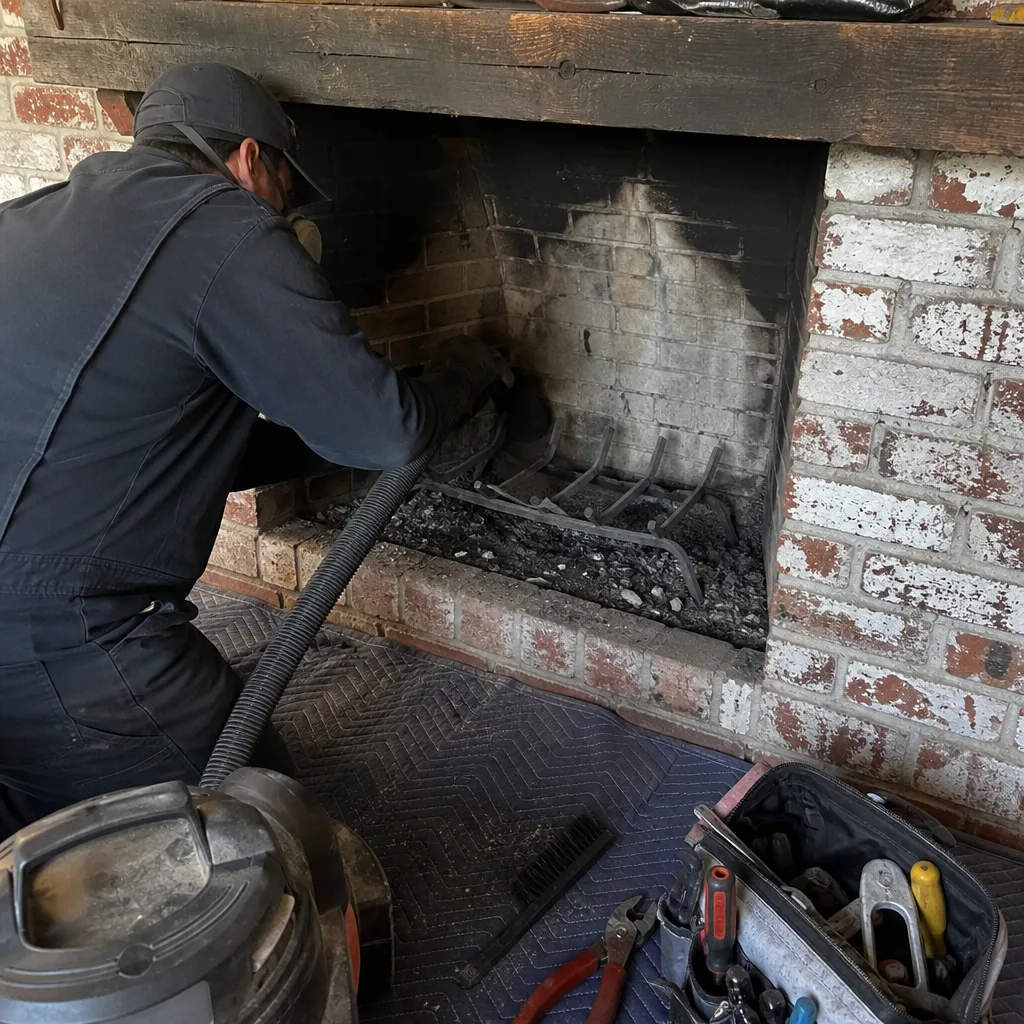 Before
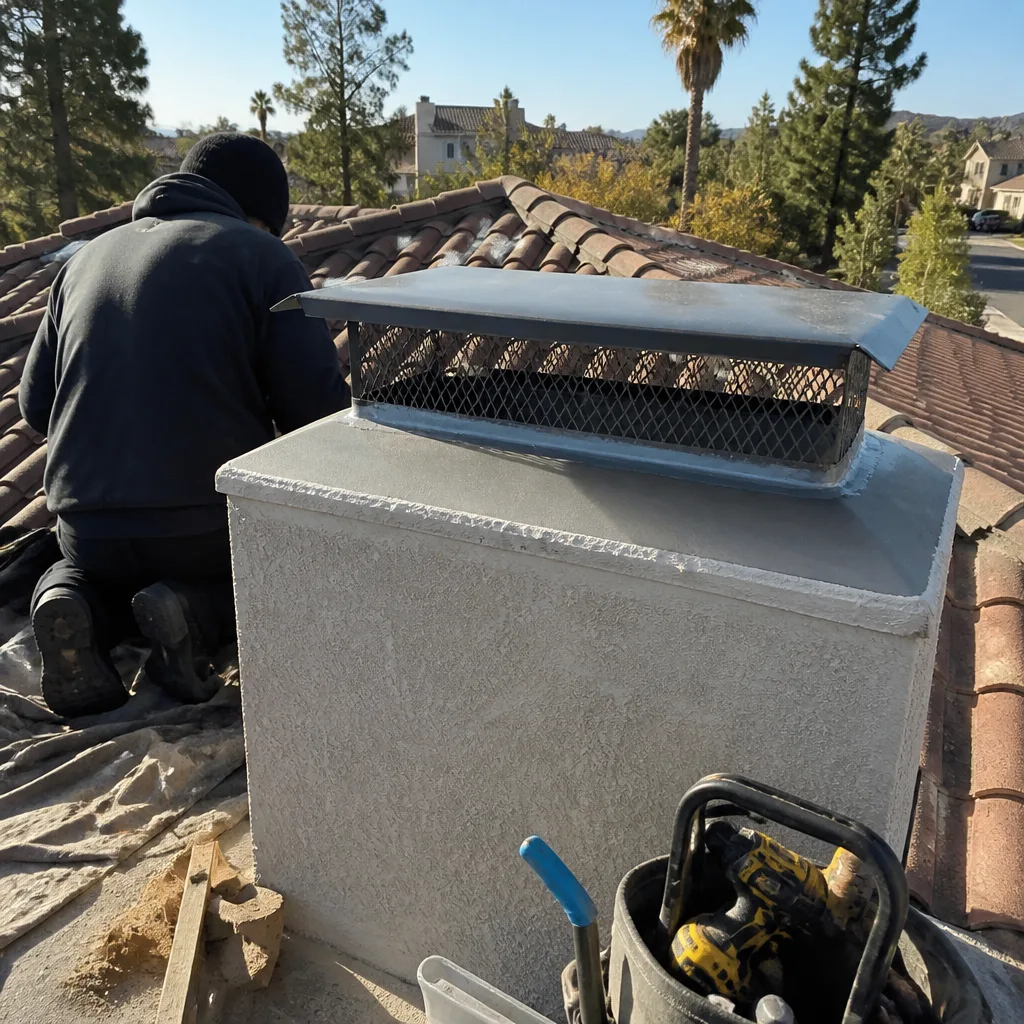 After
When to Call a Professional
If your chimney has never been inspected since you bought the home, call. If you’ve seen water stains on the ceiling near the chimney, call. If you smell smoke or musty odors coming from the fireplace when it’s not in use, call. If your dryer takes longer than 45 minutes to dry a load, call. And if a contractor has already quoted you a repair and you can’t understand the material language on the quote, call someone who will explain it in plain English.
Mayflower Chimney Sweep offers free estimates in Murrieta – call (877) 819-0285 to schedule. We tell you what we find, in plain language, before we touch anything.
Frequently Asked Questions
The brands that matter for chimney work in Murrieta are professional trade brands like DuraFlex (liners), HeatShield (resurfacing compounds), Copperfield (caps and components), Olympia Chimney (caps and accessories), Gelco (components), and Famco (caps and vents). These are sold through professional supply channels, not consumer retail shelves, and they’re the names you should expect to hear when a contractor specifies repair materials.
Ask for the brand name and product spec on the written estimate. Professional-grade materials come with manufacturer documentation – spec sheets, installation guides, warranty terms. If the contractor can produce that documentation and will put the brand name on the invoice, you’re likely dealing with a professional supply chain. If everything is described as “premium” or “contractor-grade” with no specifics, you aren’t getting a specification.
Yes, when the comparison is against an unnamed or generic liner. A DuraFlex or Lindemann liner is manufactured to a documented alloy specification (316L or 304 stainless), listed to UL 1777, and carries a manufacturer warranty that exists in writing. An unbranded liner may look identical on the truck but carry none of that. The incremental cost – typically $200 to $500 on a full reline – buys verifiable metallurgy and a real warranty.
It does. Murrieta’s inland heat, intense UV exposure, and Santa Ana wind events all stress chimney components that sit fully exposed on your roof. Metal caps fatigued by thermal cycling, UV-degraded coatings, and wind-bent mountings are all common local failure patterns. Thicker gauge metal and proper stainless alloys are the material response to those specific environmental stresses.
A chimney sweep is the cleaning process – brush work, vacuuming, and debris removal. A chimney cleaning is another term for the same service. Chimney repair is the correction of structural or component failures discovered during inspection: liner replacement, cap installation, smoke chamber restoration, crown repair. Many companies sweep but don’t repair. Others repair but treat sweeping as an afterthought. Mayflower Chimney Sweep does both – the full service scope is sweeping, repair, relining, and dryer vent cleaning.
Yes. Mayflower Chimney Sweep offers free estimates throughout Murrieta and the surrounding area. Call (877) 819-0285 to schedule an inspection and material-specific quote.
The Bottom Line
The brands behind chimney work aren’t household names, but they’re the difference between a repair that lasts and one that doesn’t. Copperfield, DuraFlex, HeatShield, Gelco, Olympia Chimney, and Famco represent the professional supply channel – products manufactured to documented specifications, installed by contractors who can explain what they’re using and why. In Murrieta’s heat, sun, and wind, those specifications aren’t optional details. They’re the engineering response to local conditions. Ask for names. Check the documentation. Get everything on the invoice. And when in doubt, call a professional who treats your chimney like the safety system it is. For more guides & resources, visit our blog.
For more on our approach to sweeping, repair, and dryer vent work, start with the Mayflower Chimney Sweep home page.
Written by the team at Mayflower Chimney Sweep, serving Murrieta since 2013.