Last updated October 30, 2026
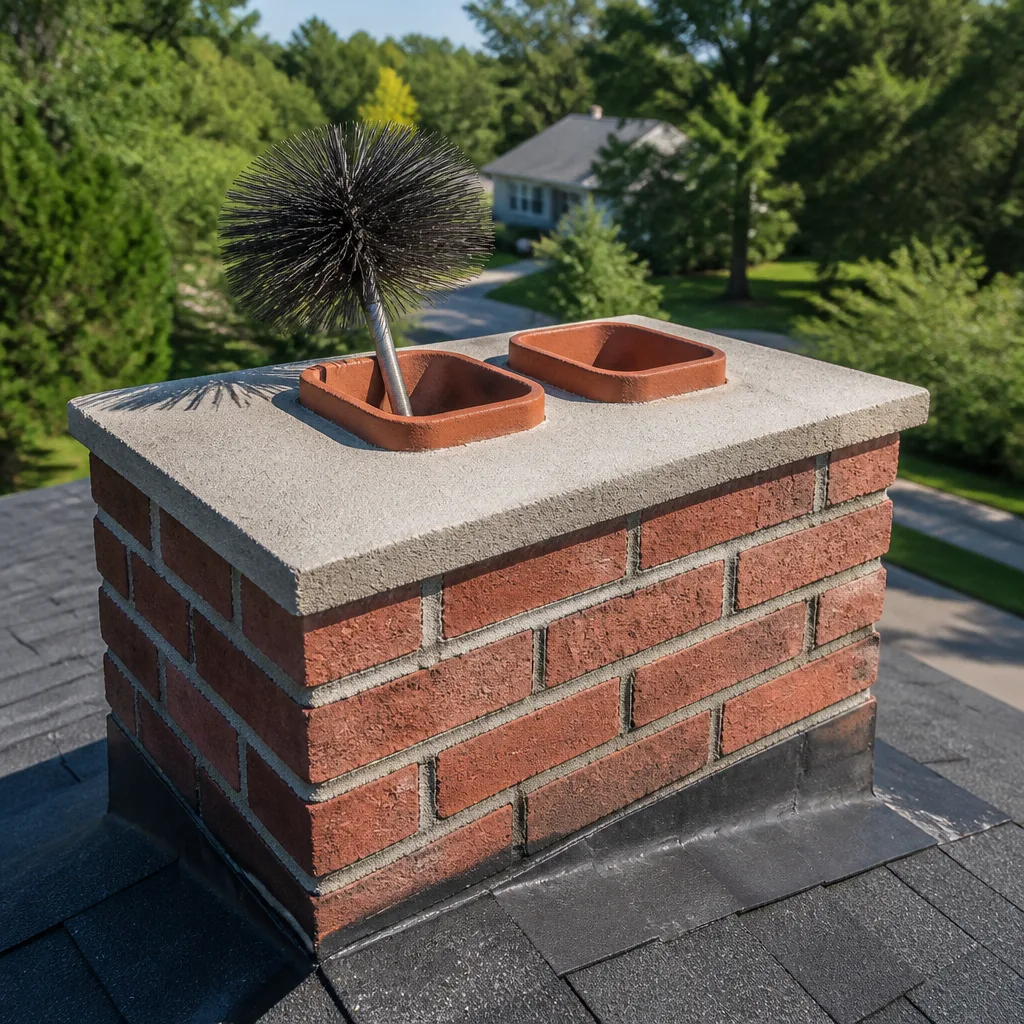 Sweep & inspection
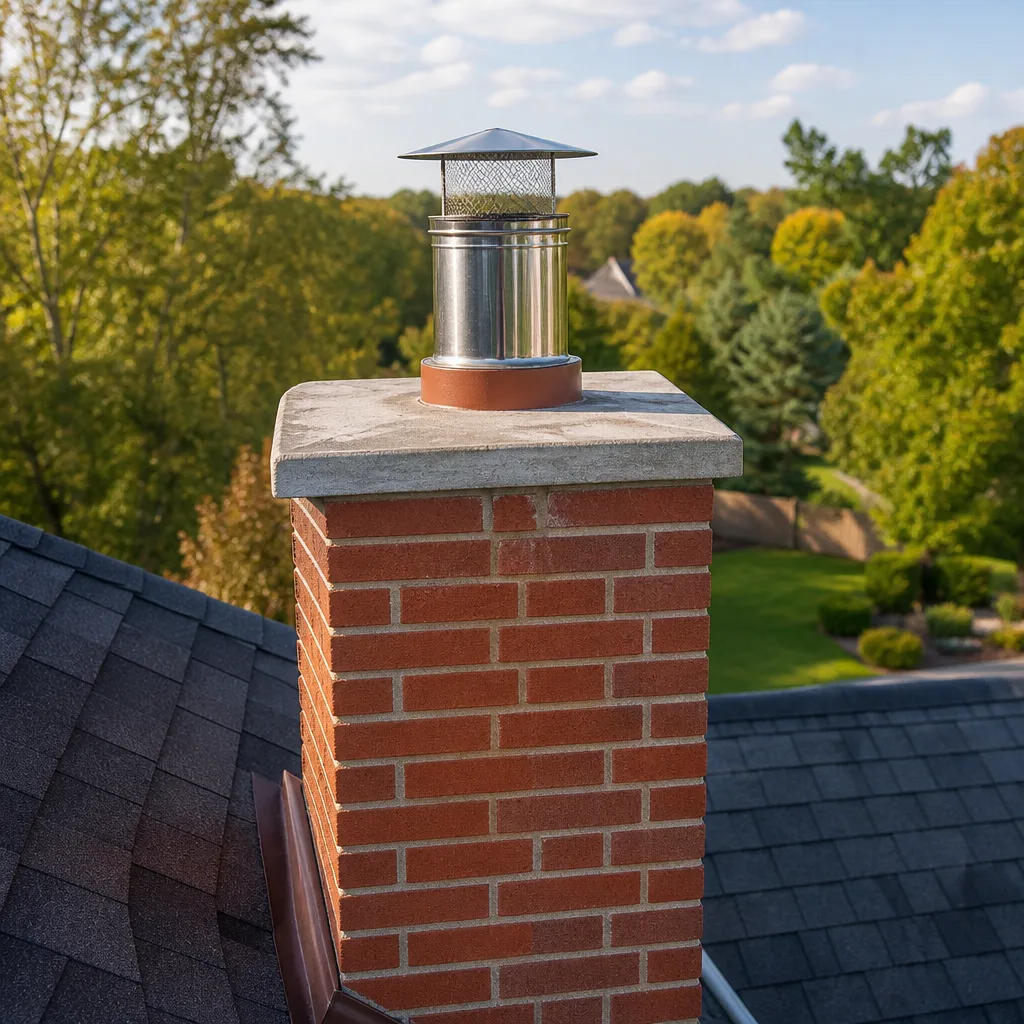
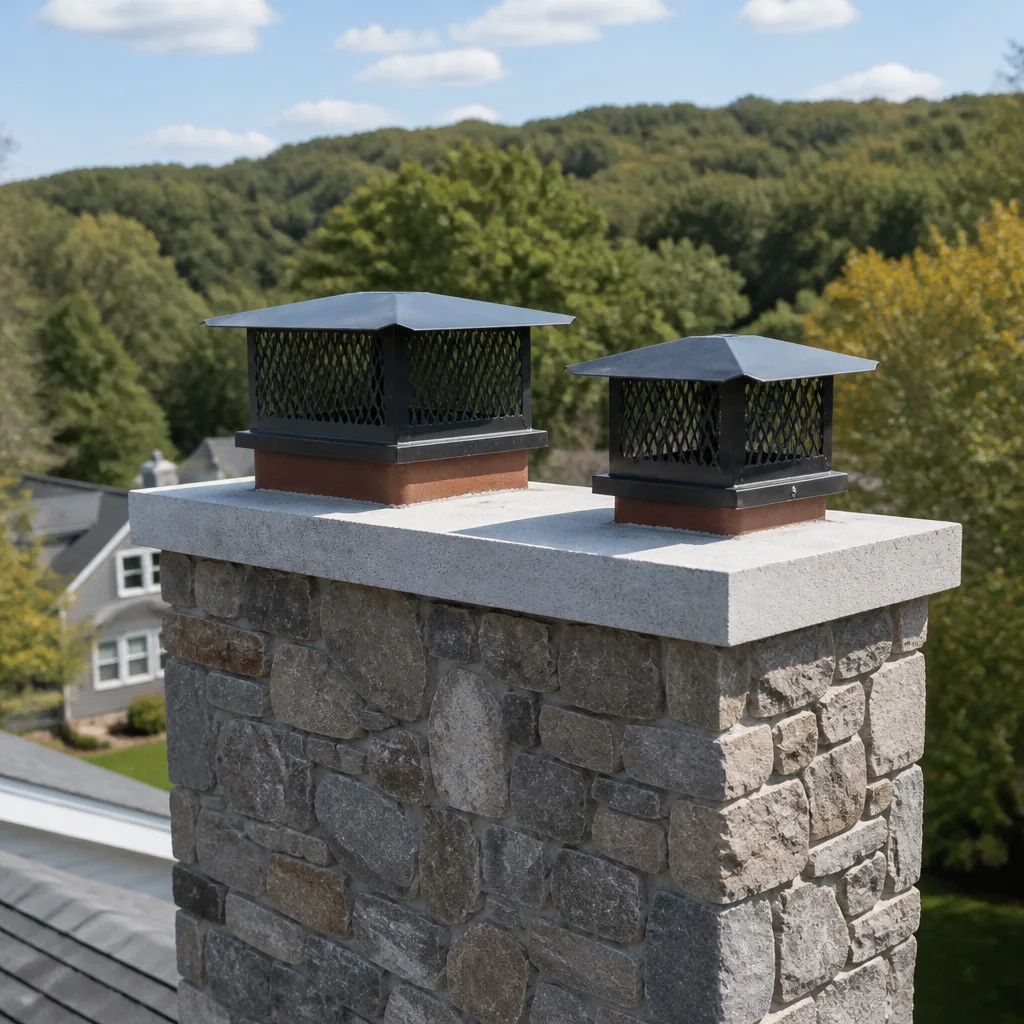 Caps & crowns
 Flue relining
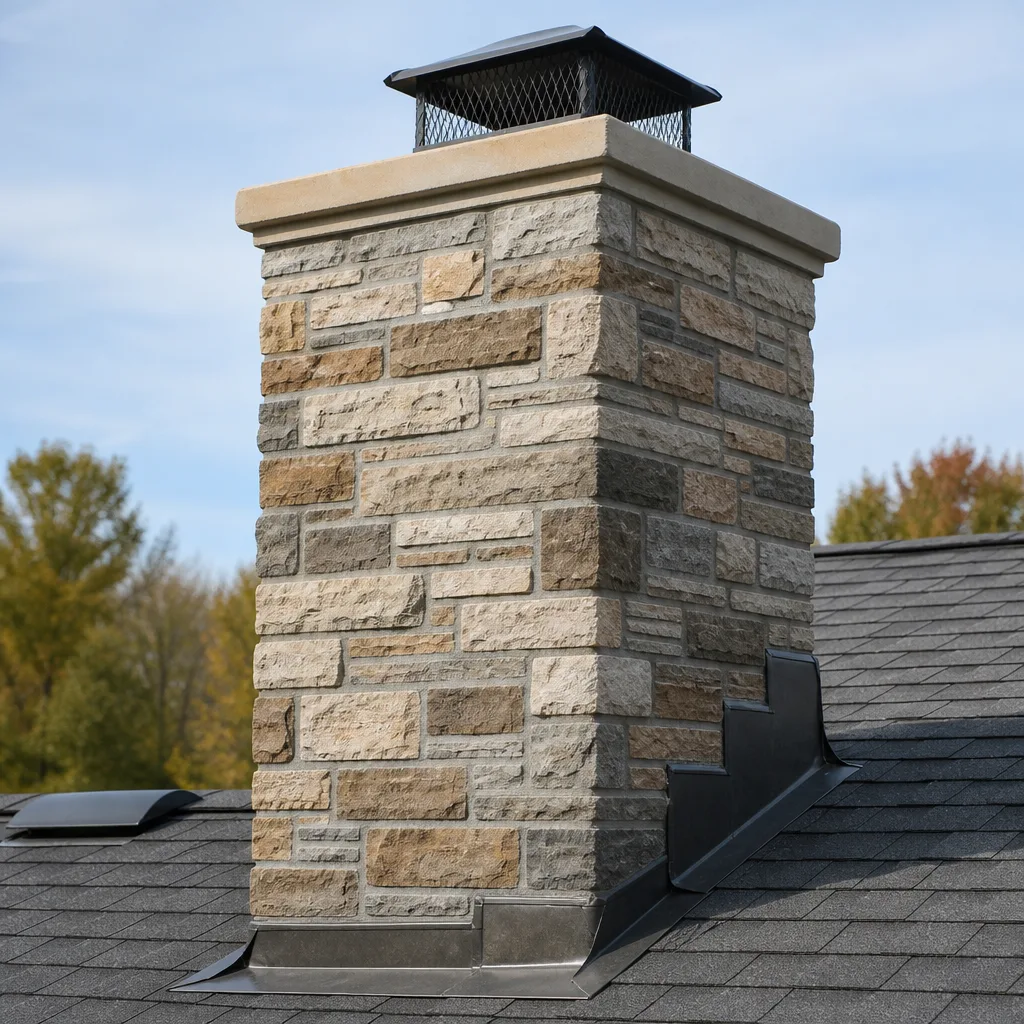 Masonry repair
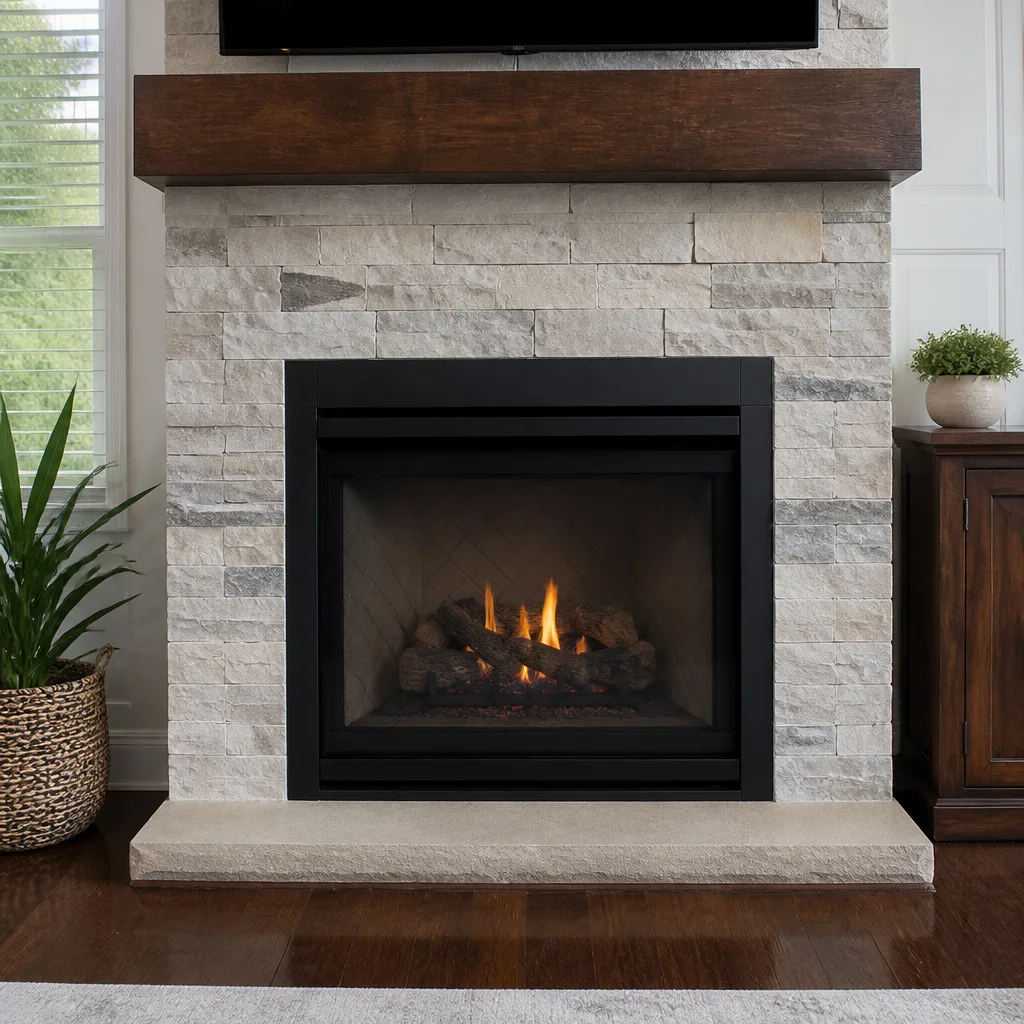 Gas fireplace service
Level 1 sweep and inspection to the NFPA 211 annual standard - flue, crown, cap, and flashing checked and photographed
Chimney sweep logs do not sweep chimneys. They loosen some creosote - which then falls where a brush and vacuum still have to collect it.
DIY vs Professional Chimney Cleaning: The Murrieta Homeowner’s Decision Guide
Every fall, Murrieta homeowners pull out ladders, extension poles, and a plastic tarp, determined to save a few hundred dollars on chimney sweeping. Most of them finish the job with a satisfying pile of black dust on the hearth and the conviction that the chimney is now safe. What they rarely realize is that brushing a flue removes visible soot but confirms nothing about the liner above the brush line, the condition of the smoke chamber, or the creosote stage hardening on the walls. This guide draws the exact line between what a motivated homeowner in Murrieta can do safely, and what requires a camera, a trained eye, and a written inspection report.
Styles & brands we work with
Quick Answer
DIY chimney cleaning in Murrieta is viable only for light Stage 1 soot and ash removal on chimneys that have been professionally inspected within the last year. Most Murrieta homes with wood-burning fireplaces accumulate Stage 2 creosote that brushing cannot remove, and no DIY effort provides the documented inspection report that insurance companies want after a fire. For anything beyond visible ash and surface dust, a professional sweep with camera inspection is the safer and cheaper long-term option.
Table of Contents
- What DIY Can Reasonably Handle
- What DIY Cannot See: The Diagnostic Gap
- Understanding Creosote Stages: The Single Most Important Variable
- The Equipment Gap: What a Professional Brings
- The Honest Cost Comparison: DIY vs Professional
- Insurance, Liability, and Documentation in California
- Murrieta-Specific Factors: Climate, Wood, and Usage Patterns
- Common Mistakes to Avoid
- When to Call a Professional
- Frequently Asked Questions
- The Bottom Line
What DIY Can Reasonably Handle
There is a set of chimney maintenance tasks that a careful Murrieta homeowner can do competently without specialized training, and we’re glad to say so plainly. These tasks reduce risk, extend the life of the system, and keep you familiar with how your chimney behaves between professional inspections. None of them involve putting your body on the roof or reaching into the flue with cleaning tools.
The practical DIY list looks like this:
- Exterior visual checks from the ground. Use binoculars to inspect the chimney cap, crown, and visible mortar joints. Look for rust on the cap, cracks in the crown, missing mortar, or a tilted spark arrestor. In Murrieta’s dry climate, minor mortar cracks grow slowly, but they still need to be noted and addressed before winter rains push water into the masonry.
- Ash removal from the firebox. After every 15 to 20 fires, shovel out the shallow layer of ash, leaving about one inch at the bottom to insulate the firebox floor and make the next fire easier to start. Dispose of ash in a covered metal container placed away from the house for at least seven days. Murrieta summers break 100 degrees regularly, and a hot ember buried in ash can smolder for days.
- Damper operation checks. Open and close the damper several times to confirm the mechanism moves freely and seats properly when closed. A damper that sticks open during summer lets cooled air escape and lets garage-adjacent dust into the living space, and one that won’t close fully during fire season is a real safety issue.
- Cap inspection from the ground. Confirm the cap is present, not deformed, and not blocked by nesting material from outside. Murrieta neighborhoods with mature eucalyptus and oak trees see regular bird and rodent activity around caps. A clear cap matters year-round.
- Checking for water stains around the firebox. After heavy winter rain, look for discoloration on the firebox walls, the ceiling near the chimney, or on the hearth itself. These are early signs of flashing or crown failure, before the damage moves inside the wall cavity.
These tasks build knowledge and disciplined observation. What they do not do is clean the chimney, assess creosote buildup, or identify internal damage. The gap between a visual check and a meaningful diagnostic is wide, and that’s where the real decision lives.
What DIY Cannot See: The Diagnostic Gap
The entire flue liner sits above the point where a do-it-yourself brush reaches from the firebox. Unless you’re willing to pull the cap, set up roof anchors, and run a cable line the way a professional crew does, you are working on roughly the bottom third of the system. The upper two-thirds are hidden from every angle you can see.
This matters more in Murrieta than in wetter regions because of how the local building stock ages. Many Murrieta homes built in the 1980s and 1990s have original terra cotta tile liners. These liners crack as they age, and the cracks often begin at the top or mid-flue, where heat stress and weather exposure concentrate. A homeowner brushing the smoke chamber and lower flue sees none of that. The chimney looks clean. It isn’t safe.
Professional diagnostics reveal conditions that brushing never touches:
- Liner cracks and separations. A CCTV camera run through the full flue length shows hairline cracks, shifted tiles, and gaps between sections. These are the most common hidden defects in Murrieta chimney systems, and they are invisible to the naked eye from either end.
- Smoke chamber erosion. The transition area above the firebox and below the liner accumulates creosote differently than the flue and is a frequent hidden fire hazard. Camera inspection shows whether the parging is intact or spalling.
- Hardened creosote not responding to brushing. Stage 2 and Stage 3 creosote can look like a flat black coating and feel like asphalt. A rotary brush with stainless steel cables may be required, and that is not available in a big-box store kit.
- Draft performance issues. A draft meter measures whether the chimney pulls air at the rate required for safe combustion. Poor draft is a common result of improper cap installation, flue obstructions, or liner degradation, and it is not something a homeowner can measure with standard tools.
- Moisture intrusion evidence inside the flue. Moisture probes detect water that has already passed through the masonry but hasn’t yet stained an interior wall. By the time a Murrieta homeowner sees a stain above the firebox, the moisture has been migrating for months.
None of this is a knock against careful homeowners. It is a statement of equipment reality. If you can’t see it, you can’t document it. And documentation is the only thing that matters when something goes wrong.
Understanding Creosote Stages: The Single Most Important Variable
The word “creosote” gets used loosely to mean any black chimney gunk, but professionals classify it in three distinct stages, and the stage determines nearly everything: whether DIY is viable, what tools are required, and how urgent the cleaning actually is. Murrieta’s climate shapes creosote formation in specific ways.
Stage 1: Flaky soot and light dust buildup. This forms as a thin, dusty film that can be removed with a wire brush or a standard chimney brush on a rod system. It is the only stage where a homeowner’s brushing kit has any real effect. In a fireplace that burns seasoned hardwoods and has been cleaned within the last 18 months, Stage 1 is common in the lower flue.
Stage 2: Hard, granular or flaky deposits. This forms when Stage 1 soot mixes with moisture and heat cycles, creating a crust that resembles charcoal briquettes or cracked black glass. A standard brush mostly skates over it. Removing Stage 2 requires a rotary cleaning system with steel cable whips or chains, typically run on a power drill at high speed. This is the creosote stage we see most often in Murrieta homes that burn unseasoned oak or use their fireplaces heavily during the short, cold winter months when the Santa Ana winds are not pushing the smoke away properly.
Stage 3: Hardened, glossy, tar-like glaze. This is the most dangerous form. Stage 3 creosote looks like a thick layer of asphalt and is highly concentrated fuel. It cannot be brushed off. It must be chemically treated and mechanically broken down, often over multiple visits. Homes in Murrieta that have gone five or more years without cleaning, especially those burning pine or woods with high resin content, routinely show Stage 3 in the upper flue.
The reason this matters is simple: a DIY homeowner cannot identify the creosote stage above the visible lower portion. You can scrape a sample from the smoke shelf area and guess, but you cannot reliably determine what’s coating the upper fifty feet of flue. We’ve walked into Murrieta homes where the firebox looked tidy and the upper flue had a quarter-inch of Stage 3 glaze. The homeowner had brushed the chimney twice the previous winter and assumed all was well.
If you want to know whether your flue has Stage 1, Stage 2, or Stage 3 creosote, the only reliable way is a camera inspection. Brushing won’t tell you, and guessing wrong costs more than the professional sweep would have.
The Equipment Gap: What a Professional Brings
A professional chimney sweep arrives with a truck full of equipment that exists to answer questions a brush cannot ask. This is the difference between cleaning and diagnosing, and it’s the clearest reason the DIY versus professional choice is not really a choice about effort. It’s a choice about what you’d rather not know.
The diagnostic toolkit looks like this:
- CCTV inspection camera with fiber optic cable. This runs the full length of the flue and records high-resolution footage. In Murrieta, we use camera footage to show homeowners exactly what we found, before any repair recommendation is made. You see it with your own eyes. Nothing is taken on faith.
- Creosote classification tools. Professional-grade scraping tools and visual references allow a technician to determine Stage 1, 2, or 3 on the spot and adjust the cleaning method accordingly. A homeowner guessing at creosote stage from a single smoke shelf sample is making a decision on maybe 10 percent of the available evidence.
- Draft meters. A draft meter measures negative pressure in the flue during operation. Low draft means smoke backs up into the house. In Murrieta’s one- and two-story tract homes, draft issues are common when a chimney is designed for a larger flue than the fireplace actually requires, or when the cap is undersized.
- Moisture probes. These measure water content in masonry, flue tiles, and chase materials. Murrieta’s clay-heavy soil and hard water affect foundations differently than coastal air, and moisture intrusion often shows up in the chase before it shows up on an interior wall.
- Rotary cleaning systems. Power-driven steel cable whips that remove Stage 2 and Stage 3 creosote without damaging the liner. These are not sold at hardware stores for good reason – used incorrectly on a cracked tile liner, they can cause more damage than the creosote itself.
When we perform a Chimney Sweep in Murrieta, the camera run is not an upsell. It is the service. Without it, you’re paying for labor and guesswork. With it, you get a documented record of what the inside of your chimney actually looks like that day.
The Honest Cost Comparison: DIY vs Professional
The math on DIY chimney cleaning looks seductive until you account for everything that a brush and rods don’t do. Here is a Chimney Cleaning Cost Breakdown: The Murrieta Homeowner’s Reference for 2026 for anyone considering the do-it-yourself route.
DIY kit costs:
- Chimney brush and rod kit with handle (basic): $45 to $90 at any home improvement store in the Temecula Valley area.
- Drop cloths, plastic sheeting, painter’s tape: $20 to $35.
- Heavy-duty ladder (if roof access needed, and you don’t already own one): $150 to $400, depending on height and material.
- Respirator with particulate filters and safety goggles: $35 to $70.
- Flashlight or headlamp rated for confined spaces: $25 to $50.
- Shop vacuum with filter for fine soot (most home vacuums fail this): $90 to $180.
Total realistic initial outlay: $365 to $825, and that assumes you already have a roof ladder and don’t need to rent scaffolding for a two-story Murrieta roofline.
Time and risk exposure:
- Setup, cleaning, and cleanup: 3 to 5 hours for a first-timer, often twice that if the flue has not been cleaned in years.
- Roof access on a sloped Murrieta tile roof: risk of broken tiles, falls, and a voided homeowner’s insurance claim if the roof work requires a permit and you didn’t get one.
- Soot inhalation without proper PPE: fine particulate that can irritate lungs for days, particularly for anyone with asthma or seasonal allergies.
- Disposal: soot and creosote cannot go in standard trash or yard waste bins in Riverside County. It must be bagged and taken to a proper disposal point, which most homeowners don’t realize until they’ve already filled three bags.
Professional sweep costs:
A professional chimney sweep in Murrieta typically ranges from $180 to $400 depending on the flue size, creosote stage, and whether the chimney has been cleaned within the last two years. That price includes the brush work, the full camera inspection, a written report, proper disposal, and a set of trained eyes on the cap, crown, flashing, damper, and smoke chamber. It also includes documentation you can keep for insurance purposes.
When you compare $400 for a professional sweep that produces a written inspection report against $400 for a DIY kit that produces a cleaner lower flue and no record at all, the economics shift quickly. Factor in the risk of missing liner damage that leads to a chimney fire, and the DIY route stops looking thrifty and starts looking like a gamble.
Insurance, Liability, and Documentation in California
California insurance carriers have become notably stricter about chimney-related claims over the last decade. When a chimney fire occurs in a Murrieta home, the adjuster’s first question is almost always the same: when was the chimney last professionally inspected and cleaned? The answer determines how the claim proceeds.
If the answer is “I cleaned it myself last fall,” the adjuster has no documentation to review. No written report describes the condition of the liner. No camera footage shows what the flue looked like before the fire. No third-party professional can attest to the state of the creosote. The claim sits in limbo while the insurance company investigates the possibility of homeowner negligence. In many cases, the claim is denied or sharply reduced because the homeowner cannot demonstrate that the chimney was maintained to a professional standard.
A professional sweep produces a dated, written inspection report that includes the creosote stage, any defects found, and the work performed. That document is what insurance adjusters want to see. It shifts the homeowner from the position of “I think it was fine” to “here is the professional record.” In Murrieta, where Santa Ana wind events can push embers into neighborhoods with dense dry brush, the difference between a documented professional sweep and a self-cleaned chimney can be the entire claim.
This is not insurance advice, and the specifics of any policy vary. But the pattern across California is consistent: documented professional maintenance almost always beats an unverifiable DIY claim after a loss. Homeowners who rely on wood heat should treat the professional sweep as part of their insurance readiness, not as an optional expense.
Murrieta-Specific Factors: Climate, Wood, and Usage Patterns
Murrieta’s climate shapes chimney buildup differently than coastal or mountain areas, and understanding this helps homeowners make smarter Seasonal Chimney Cleaning Care for Murrieta: Year-Round Homeowner’s Guide decisions.
The local wood situation. Murrieta homeowners burn a mix of seasoned oak, eucalyptus, and whatever split wood is sold cheaply at fuel stops and roadside stands along the 15 and 215 corridors. Eucalyptus burns hot and fast but produces heavy oils that coat flues quickly. Unseasoned oak produces thick smoke and encourages rapid creosote formation. If you’re burning wood from a Murrieta-area fuel supplier you don’t know well, assume it’s not fully seasoned and expect faster buildup than a textbook says.
The climatic pattern. Murrieta’s short, cool winters concentrate fireplace usage into roughly four months, followed by long dry stretches where creosote cures and hardens. That hardening process is what turns brushable Stage 1 into difficult Stage 2, and Stage 2 into Stage 3. A chimney cleaned in March may show hardened Stage 2 by October, even without heavy use, because the summer heat bakes the coating in place.
Structural considerations. Many Murrieta homes sit in developments built during rapid Riverside County expansion, and builder-grade fireplaces and chimneys were common practices. Terra cotta liners with minimal parging, undersized caps, and thin crown mortar are all standard findings. These systems work, but they age faster than custom-built chimneys in older neighborhoods. Regular camera inspection catches problems early enough to repair them before they become five-figure replacements.
For homeowners who also maintain a clothes dryer, Murrieta’s dry air means lint builds up quickly inside dryer ducting, reducing airflow and creating a separate fire risk. Many Murrieta homeowners are surprised to learn that their dryer vent can be as hazardous as their fireplace flue. We recommend addressing both systems on the same seasonal schedule. Our Dryer Vent Cleaning in Murrieta service covers this second exhaust system that most people forget until the dryer stops drying or the utility room smells like burning lint.
Common Mistakes to Avoid
These are the recurring errors we see in Murrieta homes where DIY cleaning was attempted and something went wrong. None of these homeowners set out to make a mistake. Most of them simply didn’t know what they didn’t know.
- Brushing a chimney without checking the liner first. If a terra cotta liner tile is already cracked, a DIY brush can catch on the edge and worsen the damage. By the time the homeowner notices, the repair cost has doubled. In Murrieta’s older neighborhoods, liners from the 1980s and 1990s are at peak cracking age.
- Using a fireplace after removing a visible creosote layer without addressing the cause. Creosote returns because something is encouraging it: unseasoned wood, poor draft, or a cold flue. Cleaning the symptom without diagnosing the cause means the chimney is just as dangerous a month later.
- Ignoring the smoke chamber. Most DIY guides focus on the flue and forget that the smoke chamber accumulates creosote heavily and is a classic fire location. A homeowner can brush a flue thoroughly and still have a hazardous smoke chamber directly above the firebox.
- Falling for the “cleaning log” product pitch. Chemical cleaning logs sold at Murrieta hardware stores claim to remove creosote. At best, they soften Stage 1 deposits slightly. They do not remove Stage 2 or Stage 3 creosote, and they create the false impression that the chimney has been cleaned. We see homeowners every winter who relied on a cleaning log and skipped the professional sweep because the package said it was enough.
- Cleaning from the roof on a slick morning. Murrieta mornings in late fall produce dew even when the days are dry. Roof tiles become slippery, and the fall risk is real. A homeowner who falls from a roof while cleaning a chimney has created a medical and insurance problem that dwarfs the $200 saved.
- Not documenting anything. Even if a homeowner does a competent DIY brush job, there’s no written record. When the chimney is inspected five years later, there’s no maintenance history. Insurance companies and future home buyers both want records, not recollections.
When to Call a Professional
Call a professional when any of the following apply: you have not had a camera inspection within the last two years; you smell a campfire-like odor from the fireplace during summer heat spells; you see black tar-like glaze in the lower flue; you’ve burned more than a cord of firewood this season; you’ve noticed water stains near the firebox after rain; or you’re buying or selling a Murrieta home and need documentation. These conditions each indicate something a brush cannot resolve.
Mayflower Chimney Sweep handles full-service chimney work – sweeping, repair, and relining with named-brand components like Chimney Repair in Murrieta using HeatShield and DuraFlex systems. If we find damage during a sweep, we can repair it directly. You’re not handed a referral to a third party you’ve never met. We tell you what we find, in plain language, before we touch anything.
Mayflower Chimney Sweep offers free estimates in Murrieta – call (877) 819-0285.
Frequently Asked Questions
A wood-burning fireplace in Murrieta should be professionally swept and inspected at least once per year, and more often if you burn more than one cord of wood per season or if you’re burning wood of uncertain seasoning. The National Fire Protection Association recommends sweeping whenever creosote builds up to one-eighth inch or more, and most Murrieta homes reach that point within a single burn season. Gas fireplaces still need annual inspections for vent blockages and carbon monoxide safety, even if the interior stays clean. Call (877) 819-0285 for a free estimate on your next sweep.
A chimney sweep in Murrieta typically costs between $180 and $400, depending on the flue height, creosote stage, and whether a camera inspection is included. Most professional companies, including ours, include the camera inspection as a core part of the service rather than an add-on. Homes that have not been cleaned in several years may incur additional costs for Stage 2 or Stage 3 creosote removal, which requires rotary tools and sometimes chemical treatment. For an exact quote, call (877) 819-0285 – estimates are free.
You need a new liner if the camera footage shows cracks, gaps, or spalling tile sections that can no longer contain heat and combustion gases. That’s the standard, and you should be able to see the evidence yourself. We don’t recommend liner replacement without showing the homeowner exactly what the camera saw, and we use named-brand liner systems like DuraFlex and HeatShield so you can research the materials independently. If a company tells you a liner must be replaced without camera evidence, get a second opinion. Call (877) 819-0285 and we’ll run the camera first and show you what we find.
Cleaning logs can reduce very light Stage 1 creosote in some cases, but they do not remove Stage 2 or Stage 3 deposits and they don’t replace the diagnostic work of a camera inspection. The product packaging is often misleading about what the log actually accomplishes. In our experience with Murrieta homes, cleaning logs create a sense of false confidence that causes homeowners to skip the professional service their chimney actually needs. If you’ve been using cleaning logs for several years without a professional inspection, schedule one soon. Call (877) 819-0285 to book a camera inspection.
Creosote hardens over Murrieta’s long, hot summers and becomes more difficult and costly to remove with each passing season. Stage 2 and Stage 3 creosote are fuel sources that can ignite during a normal fire, sending flames up the flue and potentially spreading to the attic or roof structure. Even if a fire never occurs, hardened creosote restricts airflow, causing smoke to back up into the living space and accelerating liner deterioration. The longer you skip it, the more expensive the eventual repair. For a current assessment, call (877) 819-0285.
Gas fireplaces do not produce creosote, but they still require annual inspection for vent blockages, carbon monoxide leaks, and heat exchanger condition. Birds, rodents, and wasps commonly nest in gas chimneys during Murrieta’s mild springs, and a blocked vent can push carbon monoxide back into the home. A professional inspection confirms the vent is clear and the system is operating safely. We recommend scheduling gas fireplace inspections on the same annual cycle as wood-burning sweeps. Call (877) 819-0285 for a free estimate.
The Bottom Line
The DIY versus professional chimney cleaning decision in Murrieta comes down to one question: do you want to remove visible soot, or do you want to know whether your chimney is actually safe? A brush and rod kit handles the first. Only a camera inspection and professional diagnostics deliver the second. Given the creosote hardening that Murrieta’s long dry summers cause, the number of aging terra cotta liners in local homes, and the insurance documentation that only a professional written report provides, the professional sweep is the only option that actually closes the safety loop. It isn’t extravagance. It’s the baseline.
From the Mayflower Chimney Sweep home page to our full-service chimney and vent work, we approach every home the same way: show the homeowner what we see, in plain language, and let the evidence do the talking. We name what we use and stand behind it – DuraFlex liners, HeatShield sealant, Gelco, Olympia Chimney, Famco, and Copperfield components. Built to last, not just cleaned and cleared.
If you have questions about your chimney’s condition, don’t guess. Call (877) 819-0285 for a free estimate, and we’ll do what no DIY kit ever will – show you exactly what’s going on inside your flue.
Written by the team at Mayflower Chimney Sweep, serving Murrieta since 2013. For more guides & resources, visit our blog.
See the difference
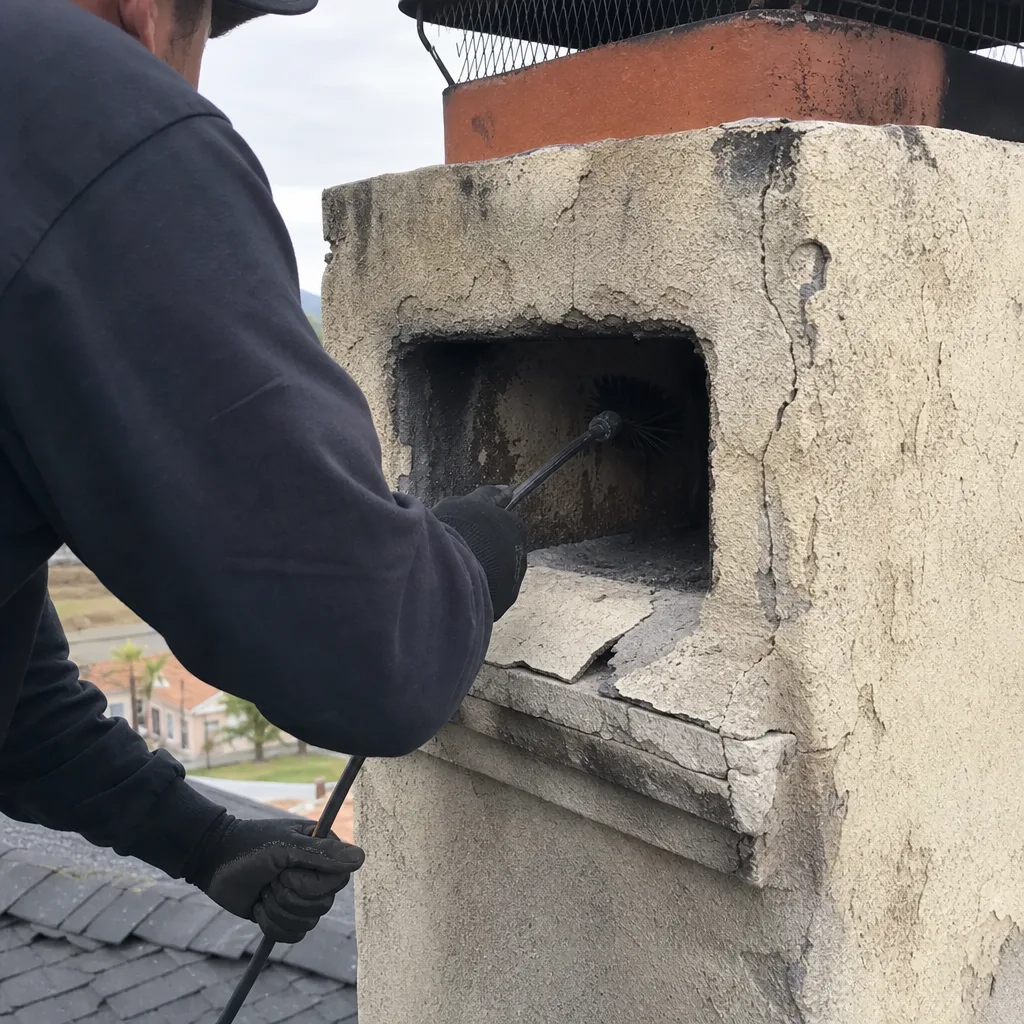 Before
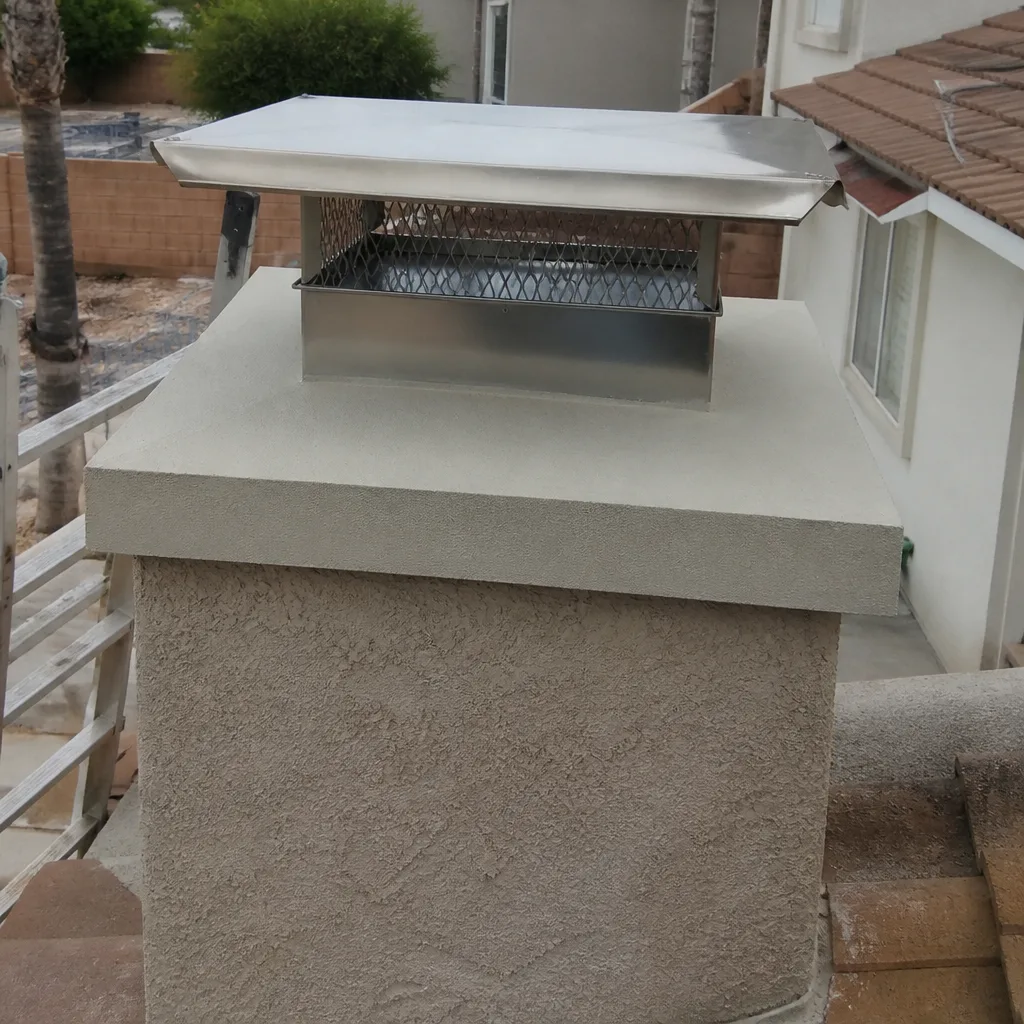 After
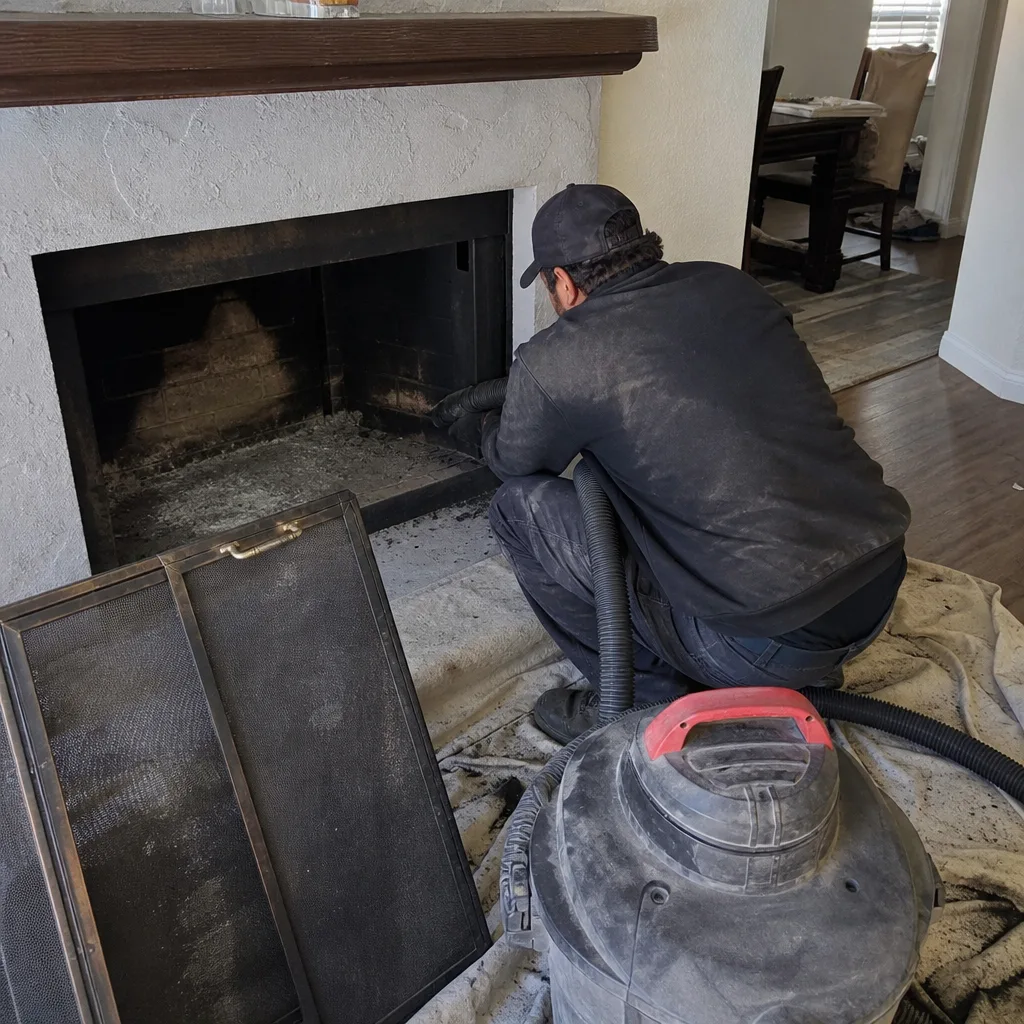 Before
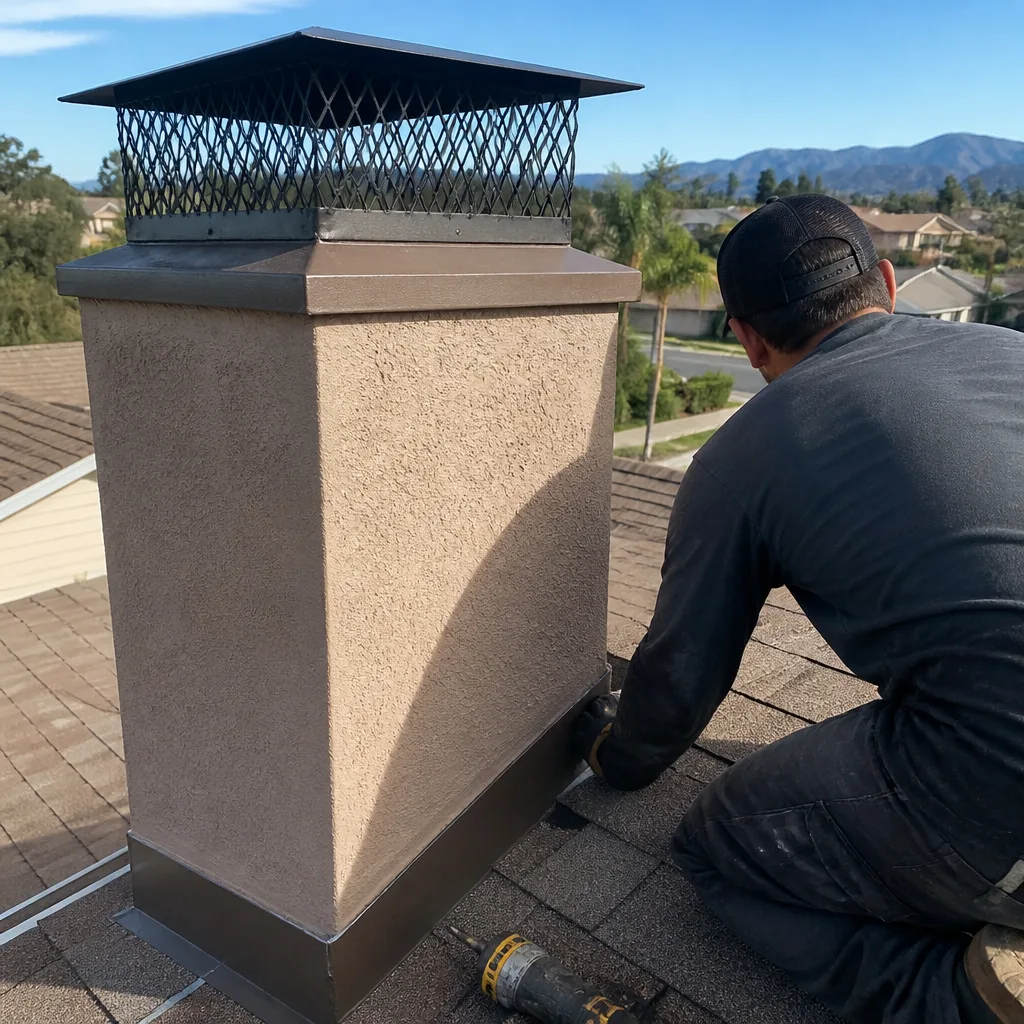 After
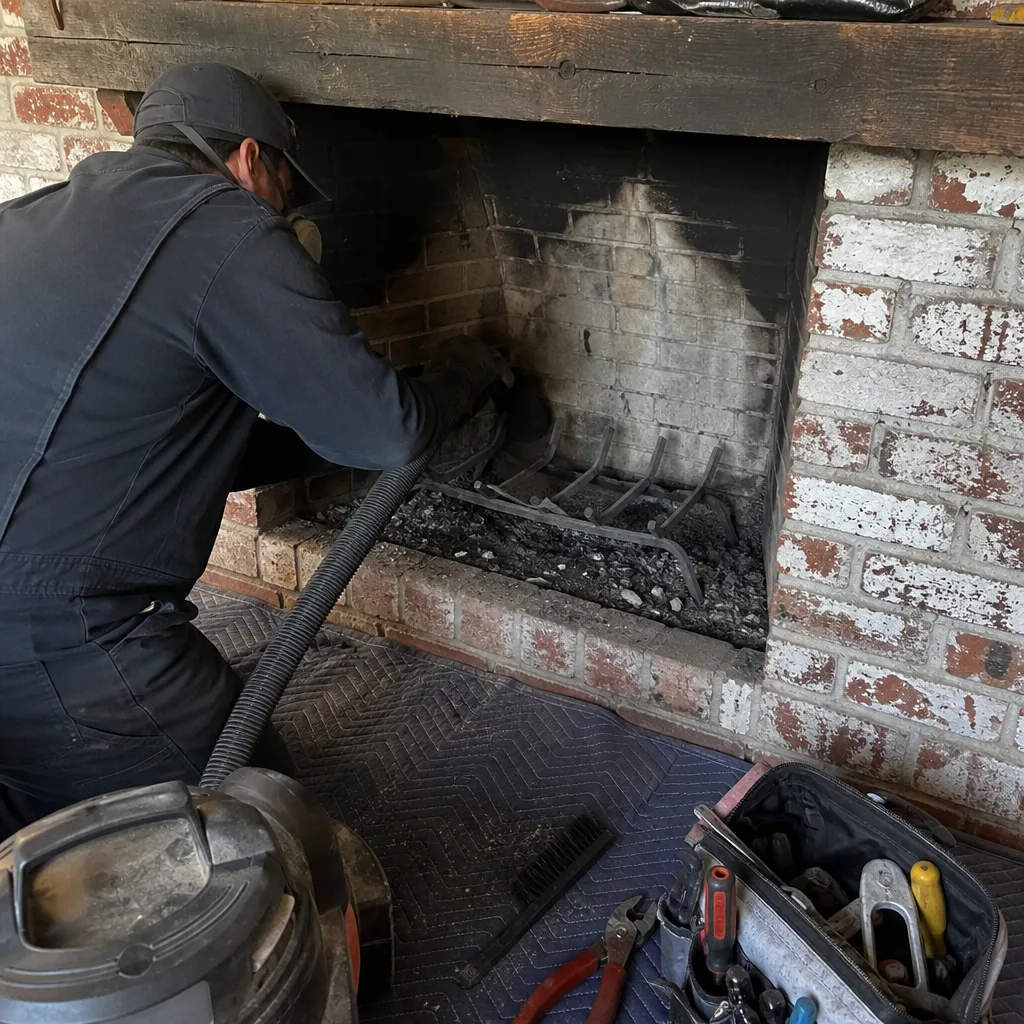 Before
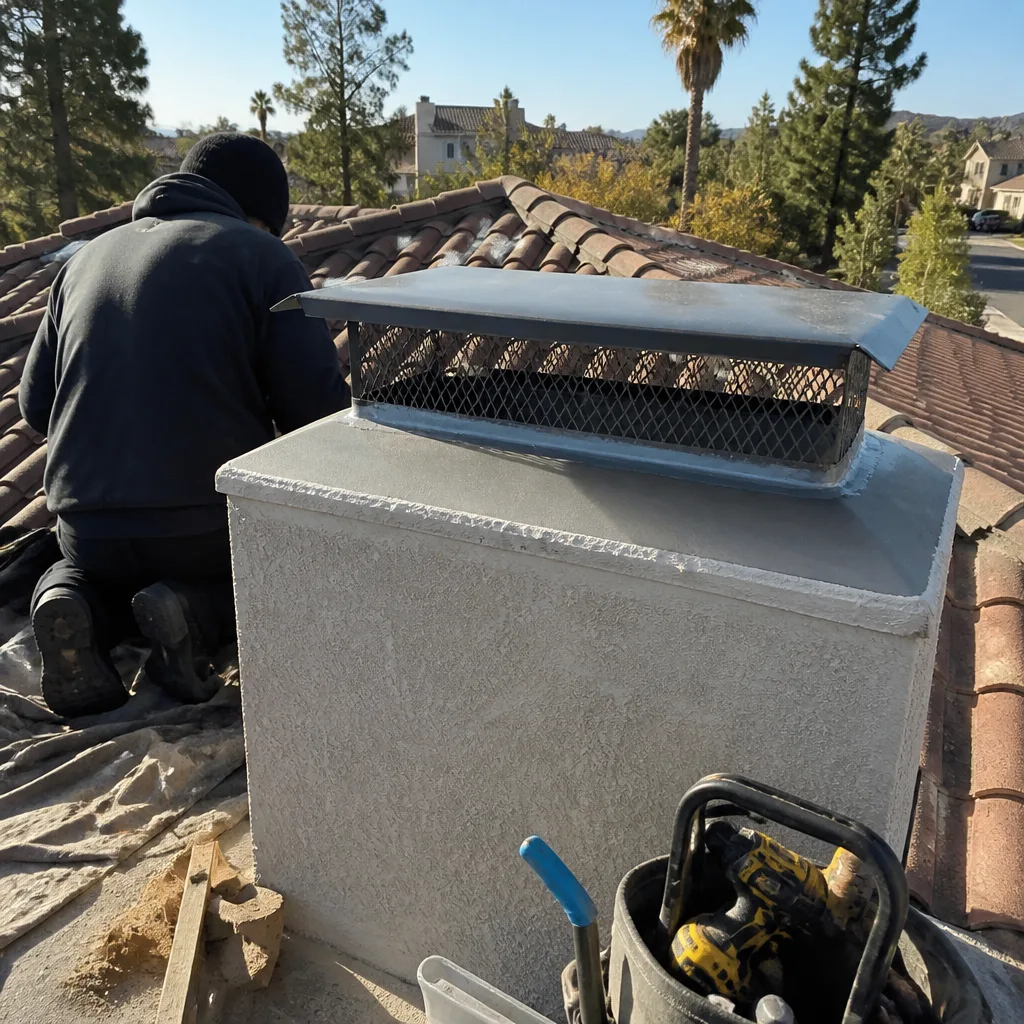 After