
Last updated October 30, 2026
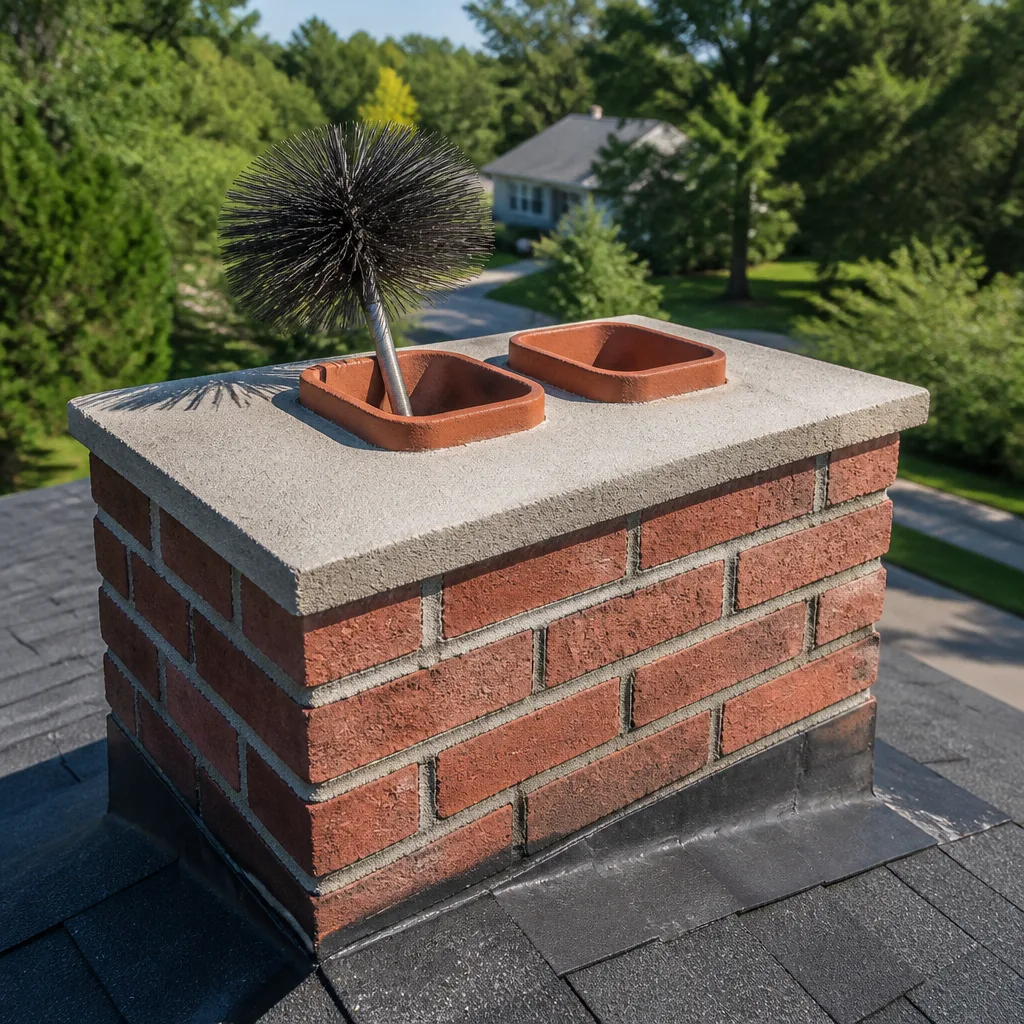 Sweep & inspection
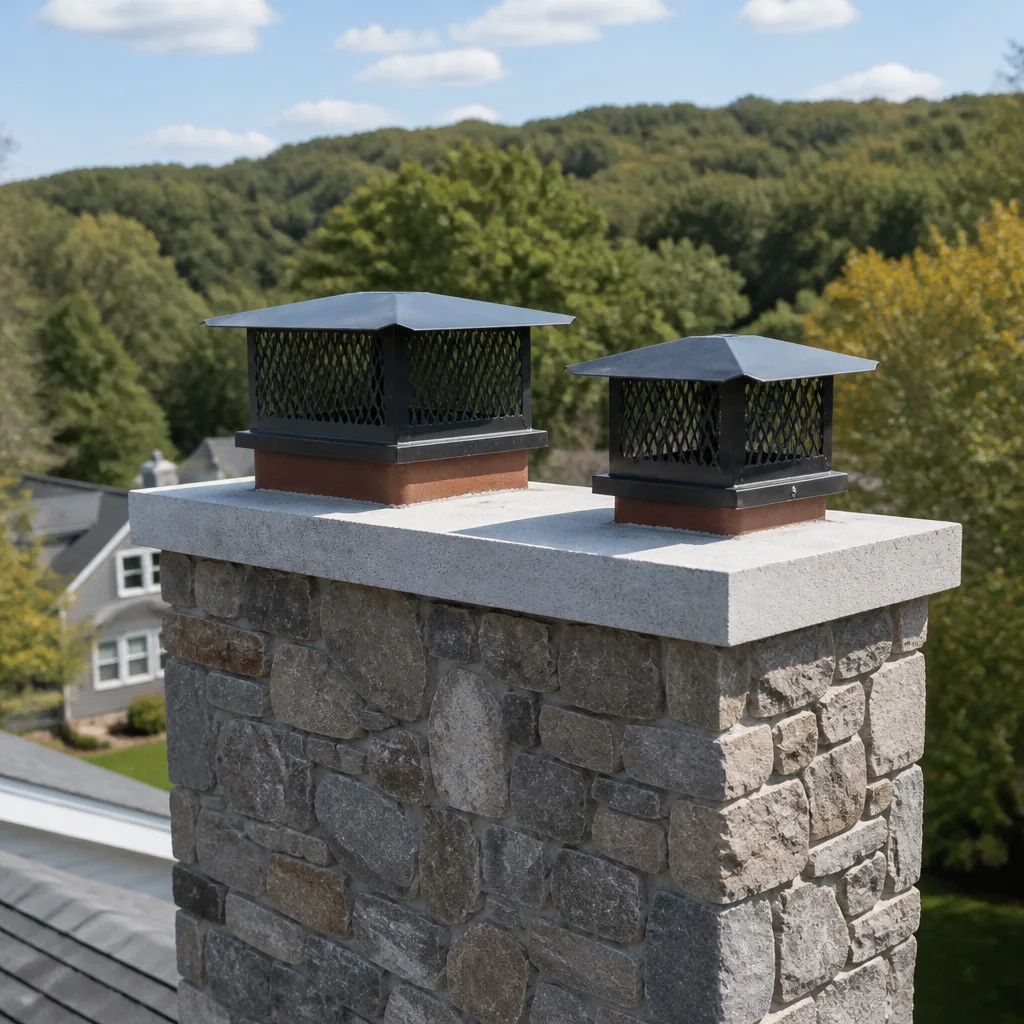 Caps & crowns
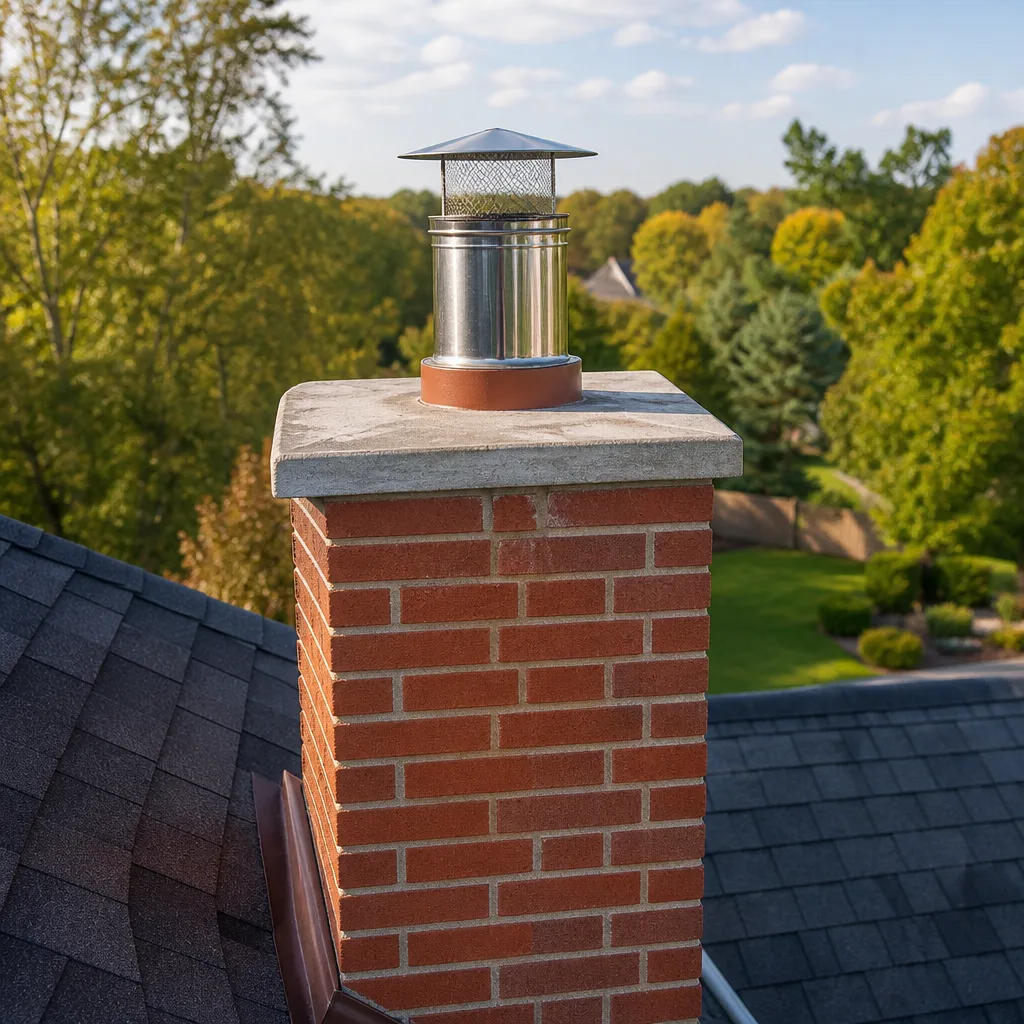 Flue relining
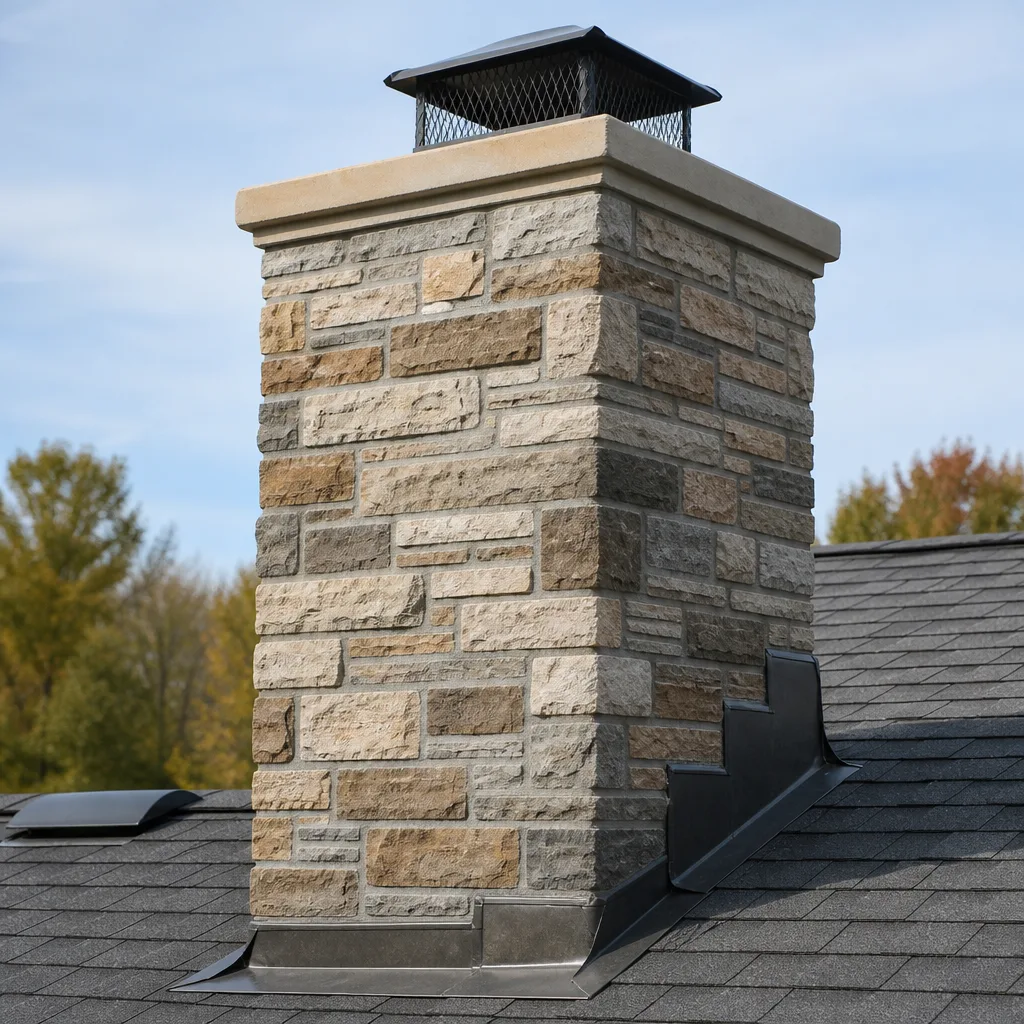 Masonry repair
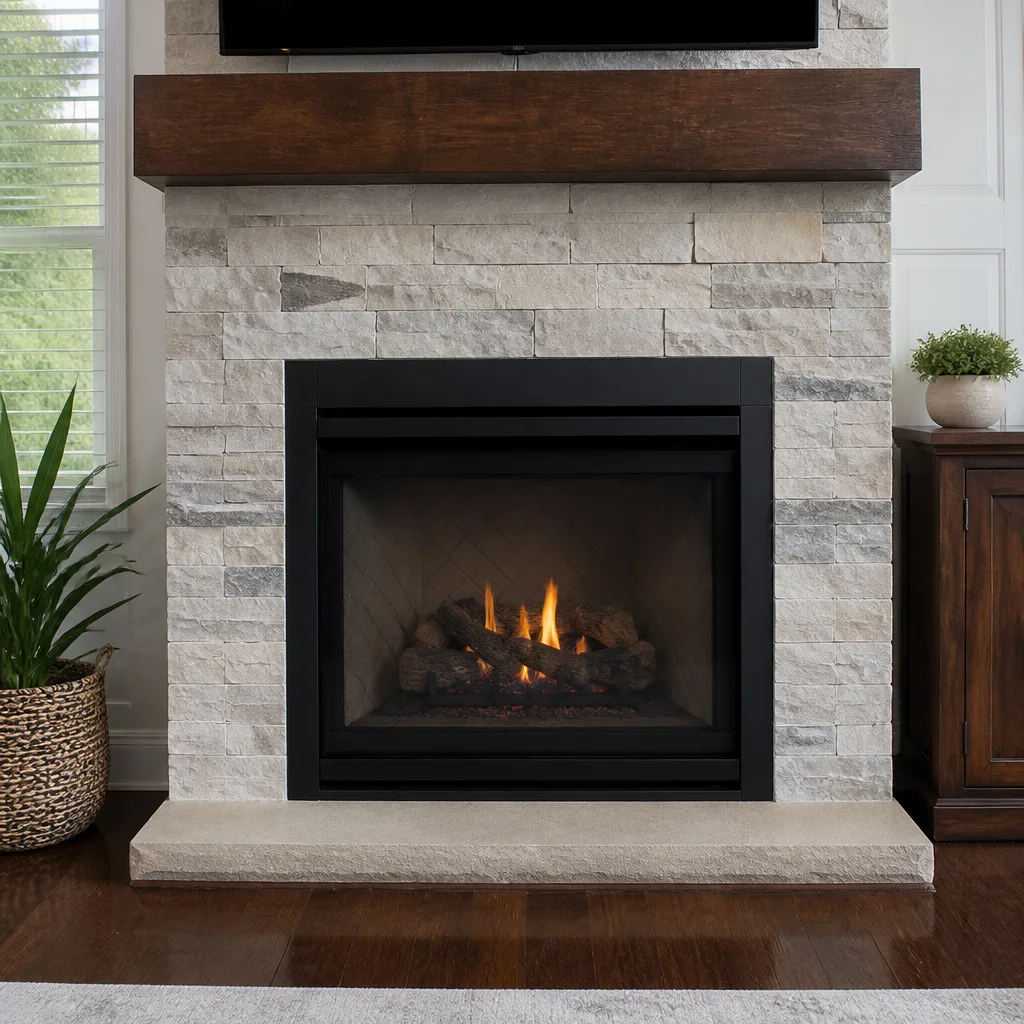 Gas fireplace service
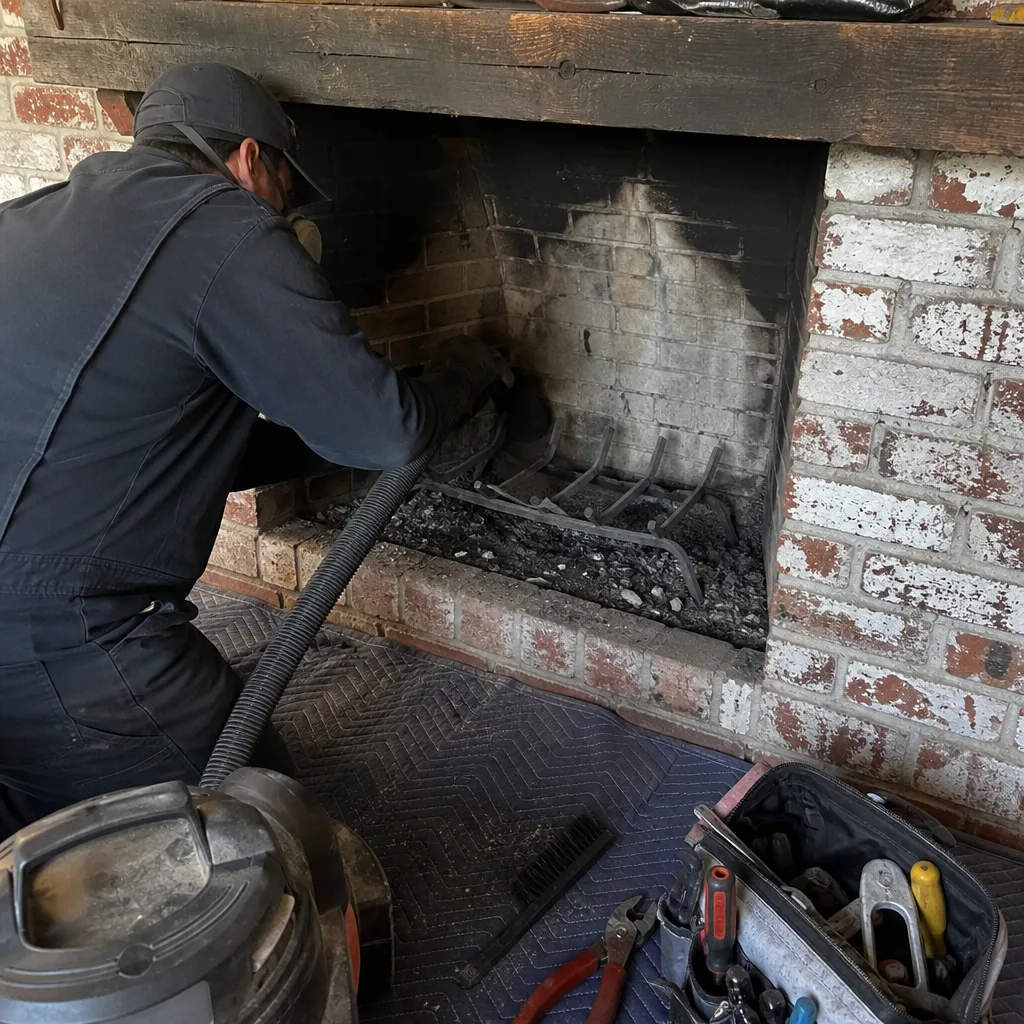
Level 1 sweep and inspection to the NFPA 211 annual standard - flue, crown, cap, and flashing checked and photographed
Chimney sweep logs do not sweep chimneys. They loosen some creosote - which then falls where a brush and vacuum still have to collect it.
Chimney Sweep Maintenance Checklist for Murrieta Homeowners
The single most skipped item on every DIY chimney checklist is checking the smoke chamber for spalling, and it’s the repair that costs Murrieta homeowners the most when it’s caught late. It takes about 30 seconds to spot with a flashlight and a mirror, yet in our experience, most people have never heard of it. This guide isn’t a generic national template with the city name swapped in. It’s sequenced around when Murrieta’s fireplace season actually starts, how long it runs, and what nine months of high-desert heat does to mortar, caps, and liners between uses. You’ll learn what to check, when to check it, what you can safely observe yourself, and when a Chimney Sweep with a professional camera inspection is the only honest answer.
Quick Answer
A chimney maintenance checklist for a Murrieta home should follow the region’s actual burn window: a pre-season inspection and sweep in September, a mid-season check in January, and a post-season cap-and-crown review in March. The core tasks are confirming the flue is clear of creosote and debris, checking the cap and crown for Santa Ana wind damage, inspecting flashing around the roofline, and verifying that the smoke chamber and firebox show no spalling or cracking. Most of the observational work takes under 15 minutes, and a professional chimney sweep in Murrieta can confirm what your eyes can’t reach.
Styles & brands we work with
Table of Contents
- Why Murrieta’s Burn Window Changes the Checklist
- Pre-Season Checklist: September
- Mid-Season Checklist: January
- Post-Season Checklist: March
- Cap, Crown, and Flashing: What Santa Ana Winds Actually Do
- Stucco and Tile-Roof Homes: Southwest Riverside County Specifics
- How to Log Maintenance Records for California Resale Disclosure
- Common Mistakes to Avoid
- When to Call a Professional
- Frequently Asked Questions
Why Murrieta’s Burn Window Changes the Checklist
Murrieta doesn’t have a six-month heating season. We have about three and a half months of regular fireplace use, bookended by shoulder periods where the fire gets lit on cool evenings and forgotten by the next afternoon. That changes how a chimney wears.
In colder climates, chimneys fail from heavy use. Creosote builds fast, liners cycle through thousands of heating and cooling cycles, and mortar gets stressed by constant freeze-thaw action. In Murrieta, the opposite problem dominates: long idle periods followed by short, intense burn windows. A chimney that sits unused from April through October absorbs heat into its masonry every single day. Tile roofs radiate that heat downward. Stucco exteriors hold it against the chimney chase. The mortar joints expand and contract slowly, day after day, and by the time you light the first fire in November or December, small cracks that formed over summer have had months to settle in.
That’s why a Murrieta checklist has to be seasonal, not generic. A January checklist from a national site will tell you to check for ice dams. There are no ice dams in Murrieta. What you need to check for is wind-driven debris in the flue from Santa Ana events, dust and cobweb accumulation in the smoke chamber, and hairline mortar cracks that opened during the summer heat.
We’ve also found that the first burn of the season is when hidden problems announce themselves. A small crack in the flue liner doesn’t smell like anything in August. In November, it smells like smoke in the upstairs hallway. A bird nest built in April doesn’t block airflow until you actually try to draw air through it. The pre-season checklist exists to catch these things before the first fire, not after.
Pre-Season Checklist: September
September in Murrieta is still hot, but it’s the right month to start the pre-season sequence. Here’s the full task list, in the order we recommend:
- Visual exterior check from the ground. Walk around the house and look at the chimney. You’re checking the cap for visible leaning or missing sections, the crown for cracks or spalling, and the flashing where the chimney meets the roof. Binoculars help. Santa Ana winds can hit any time from September onward, so establish a baseline now.
- Check the chimney cap for debris. Caps collect leaves, twigs, and occasionally nests. A blocked cap creates a drafting problem that you won’t notice until smoke pushes back into the living room. If you can safely access the roof, inspect it directly. If your roof is steep or you’re unsure about footing, leave this to a sweep.
- Inspect the damper operation. Open and close the damper fully. It should move smoothly without grinding or sticking. A damper that’s warped or rusted won’t seal properly, and a damper that won’t fully open restricts airflow before the fire even starts.
- Look up the flue with a flashlight. From the firebox, open the damper and shine a bright light upward. You’re looking for obvious blockages, heavy creosote buildup (it looks shiny and black or tar-like), or signs of animals. This is a partial view only. A professional camera inspection sees the full liner surface.
- Check the smoke chamber. This is the 30-second check that saves thousands. The smoke chamber sits above the firebox, below the flue. It’s the angled transition area. Look for flaking or missing mortar, white staining (efflorescence from water), or crumbled brick. Spalling here means heat and moisture have been breaking down the masonry. Repairs in this area are among the most expensive chimney fixes because access is tight and the surface area is large.
- Schedule the professional sweep and inspection. Even if everything above looks fine, a certified sweep removes the creosote you can’t see and runs a camera through the full flue. If you burn more than a dozen fires per season, this should happen every year. If you burn occasionally, every other year may be enough, but confirm that with a professional who has seen your specific setup.
One thing we emphasize with Murrieta homeowners: September is the scheduling sweet spot. Waiting until November means competing for appointment slots with everyone else who just felt the first cold night. Book early, and you can handle any repair findings before the burn window opens rather than living with a compromised chimney through the holidays. For Chimney Sweep Troubleshooting: Common Problems and How to Fix Them, see our dedicated guide.
Mid-Season Checklist: January
By January, you’ve been burning regularly for six to eight weeks. This is the reality-check month. The checklist here is shorter, but it catches problems that develop during active use.
- Monitor smoke behavior during fires. Smoke should flow upward, cleanly and completely. If you notice smoke backing up into the room when the fire is first lit, or when the fire dies down, that’s a drafting problem. It could be a cold flue, negative air pressure in the house, or a partial blockage. Occasional startup smoke is one thing. Persistent smoke is a red flag.
- Check the glass doors or fire screen. Black, tarry buildup on glass doors tells you the fire is burning too cool or the wood isn’t seasoned. It also means creosote is accumulating in the flue faster than it should. If you see it, clean the glass and ask yourself what changed: new wood source, closed damper too far, or longer overnight burns.
- Look for white or gray stains on interior walls near the chimney. This can indicate moisture penetration through the masonry. January rain in Murrieta isn’t constant, but when it arrives, it finds every crack. Staining is water leaving evidence.
- Schedule a mid-season visual if anything changed. If you notice new odors, unusual sounds (wind whistling through the flue that wasn’t there before), or visible exterior damage after a Santa Ana event, have a professional look. Mid-season inspections are less common than pre-season, but they catch problems before they become March repairs.
January is also the month when we get the most calls about chimney odors that appear when the fireplace isn’t even in use. Murrieta’s winter air pressure shifts, especially on overcast days, can draw air down through the flue and push chimney smells into the house. Sometimes that’s a simple fix like a damper adjustment or a chimney cap with better coverage. Other times it points to creosote that’s absorbed into the masonry. A professional sniff test, for lack of a better term, figures out which one you’re dealing with.
Post-Season Checklist: March
March is when most Murrieta homeowners stop burning fires and start thinking about the yard, the spring cleaning list, and everything else. The chimney gets forgotten. That’s a mistake, because the post-season window is when you do the cheapest maintenance available.
- Do a final burn to assess condition. Before you close the damper for the season, light one last fire and observe it carefully. Note anything you intend to have checked: draft quality, smoke color, unusual smells, popping or cracking sounds from the flue.
- Inspect the cap and crown after winter storms. March in Murrieta means the final Santa Ana events of the season have likely already happened. Look for cap displacement, crown cracking, or missing mortar along the top of the chimney. Damage found in March can be repaired in April or May, when the weather is mild and the chimney is dry.
- Schedule post-season repairs. This is the single biggest difference between a homeowner who spends a few hundred dollars and one who spends a few thousand. Repairs done after the burn season, in spring, are far easier to schedule, and materials cure better in mild weather. Do this now, and the chimney is ready when September rolls around again.
- Close the damper properly. After the final fire, close the damper fully to prevent spring and summer air exchange. If your damper doesn’t seal well, now is the time to consider a top-sealing damper or a replacement. A poorly sealed damper means your air conditioner works harder all summer.
We’ve had more than a few Murrieta homeowners tell us they wait until September to think about their chimney. Then September comes, they’re one of hundreds of people calling for a sweep, and any repair work pushes their burn season back by weeks. The March checklist is about removing yourself from that bottleneck.
Cap, Crown, and Flashing: What Santa Ana Winds Actually Do
Santa Ana winds are a fact of life in Murrieta. They arrive in the fall, they can push 60 to 70 miles per hour, and they carry dust, sand, and debris from the desert. Chimney caps, crowns, and flashing take the brunt of that force, and the damage pattern is specific to this region.
Chimney caps get loosened over time. The wind buffets the cap, the mounting screws work back and forth in the masonry, and eventually the cap tilts or comes free. A tilted cap lets rain enter the flue at an angle. A missing cap lets everything in. We recommend checking the cap after every significant wind event, not just during scheduled inspections. It takes 30 seconds from the ground with binoculars.
Crowns crack from wind-driven debris impact and from the daily expansion and contraction of mortar under desert sun. A hairline crack in March becomes a visible gap by September. Water finds its way into the crown, sits there, and works downward through the masonry. By the time you see interior staining, the crown has been compromised for months. Crown repair is one of the most cost-effective chimney fixes available, because it’s done at the top of the stack with direct access. The alternative, letting it go, means rebuilding the top few courses of masonry.
Flashing is the unsung vulnerability of every Murrieta chimney. The flashing is the metal barrier where the chimney meets the roof. On a tile roof, the flashing has to integrate with the tile profile. On a shingle roof, it has to integrate with the shingle courses. Santa Ana winds work flashing loose in a different way than rain does: the wind creates suction on the leeward side of the chimney, lifting the flashing edges. Over time, the sealant breaks down and water finds the gap. The first sign is usually a ceiling stain near the chimney chase. By then, the flashing has been leaking through several rain events.
Our advice on flashing: if you see any visible separation between the flashing and the chimney masonry, or if the flashing edges are lifting, that’s a professional repair. Flashing work involves climbing onto the roof, working with the roofing material, and resealing with materials matched to the roof type. It’s not a ladder-and-caulk-gun job.
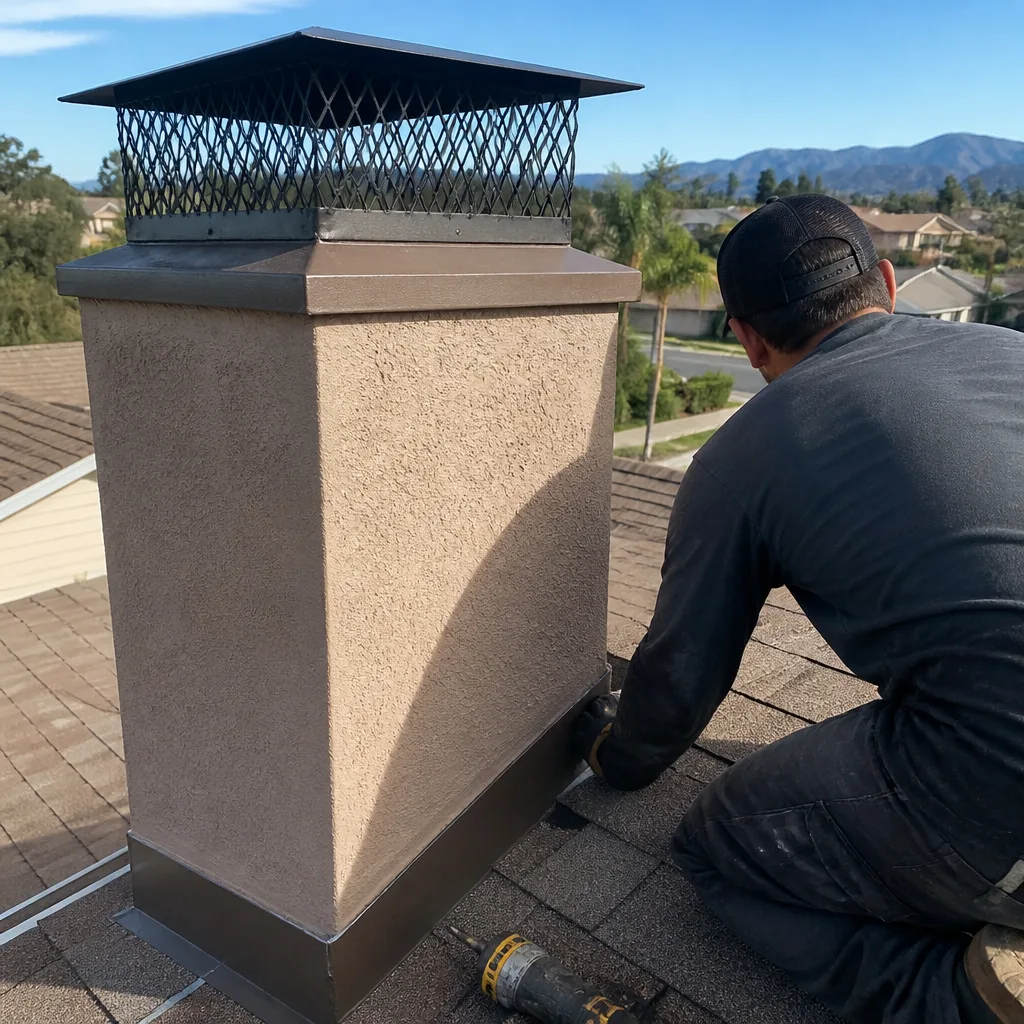
We install and work with named-brand components including Gelco and Copperfield products because they’re manufactured to handle exactly this kind of repeated stress. The flashing and cap product you use matters. Generic material from a big-box shelf may look the same for the first year, but the Murrieta sun and wind will find the difference by year three.
Stucco and Tile-Roof Homes: Southwest Riverside County Specifics
Drive through any Murrieta neighborhood, and you’ll notice two dominant construction styles: stucco exteriors and tile roofs. Both affect how chimneys behave, and both create inspection points that a generic national checklist never mentions.
Stucco homes present a particular challenge because the chimney chase is often fully enclosed in stucco. You can’t see the masonry structure. What you can see is the stucco surface, and it tells a story if you know what to look for. Hairline cracks in stucco near the chimney chase are normal and often harmless. Wide cracks, cracks that follow a stair-step pattern, or stucco that’s bulging outward are not. Those indicate movement behind the stucco, and movement behind the stucco means the chimney structure or its framing has been affected by moisture or heat. Stucco also does one good thing: it gives you early evidence of water by discoloring. A dark or stained patch on the stucco near the chimney means water is getting in somewhere above that point.
Tile roofs change the calculus for any roof-level chimney work. Walking on tile roofs requires experience and the right technique; tiles crack under foot pressure if you step in the wrong place. When we work on a Murrieta home with a tile roof, we take specific precautions and use equipment that distributes weight properly. That’s one of the reasons most flashing and cap replacement work should be left to professionals in this area. The roofline itself is as much a variable as the chimney.
If your home has a tile roof and a stucco chimney chase, your observation checklist is slightly different. Pay extra attention to the stucco surface: look for cracks, discoloration, or changes in texture. Check the roof tiles near the chimney for visible shifting, because a shifted tile creates a water channel that directs rainwater toward the flashing. And check the underside of the roof eaves nearest the chimney for staining, which indicates water has already penetrated the decking.
We also see a higher frequency of crown problems on stucco-chased chimneys, because the stucco can trap moisture against the masonry underneath. The crown is doing double duty, and it fails faster. That’s not a reason to avoid stucco construction, just a reason to inspect the crown more carefully and more often.
How to Log Maintenance Records for California Resale Disclosure
Here’s a fact that doesn’t get nearly enough attention in chimney maintenance guides: when you sell a home in California, you fill out a Transfer Disclosure Statement that asks about the chimney. Specifically, it asks about any known material defects, and buyers increasingly ask for maintenance records on major systems. A chimney that has been consistently maintained, with records to prove it, is a selling point. A chimney with no paper trail is just a question mark.
So how do you log maintenance in a way that actually matters? Here’s the format we recommend:
- Create a simple chimney file. Either a physical folder or a digital file. One entry per event.
- Record the date, the service performed, and the company. “October 12, 2025 – Sweep and Level 2 inspection – Mayflower Chimney Sweep” is sufficient.
- Record what was found. Even if the answer is “no issues,” write that. The record that matters most in resale is the one that shows a clean bill of health over time, not just a stack of repair invoices.
- Keep photos. If a camera inspection was done, ask for the video or screenshots. If you do your own visual inspections, take labeled photos. Photo records of a clean flue in 2023, 2024, and 2025 make a compelling package for a buyer.
- Document any repairs with specificity. Not just “crown repaired” but “crown repaired with a waterproof sealant, April 2025, after cracking noted during March inspection.” If named-brand components were used, even better. “DuraFlex liner installed October 2024” tells a buyer the work was done with recognized materials, not whatever was on the truck.
One more California-specific point: the state’s disclosure requirements mean you have a legal obligation to disclose known material defects. If you’ve been ignoring a cracked crown or a spalling smoke chamber for three years, you’re supposed to disclose that. A maintenance log isn’t just about preserving value; it’s about creating an honest record that protects you as the seller and informs the buyer. In a market like Murrieta’s, where homes move quickly, that record can be the difference between a smooth transaction and a last-minute inspection issue.
Common Mistakes to Avoid
- Skipping the smoke chamber check. We mentioned this at the top, and it bears repeating. Spalling in the smoke chamber is the most expensive late-stage repair we see, and it’s the easiest to spot early. Look up, look carefully, and if you’re unsure, ask a professional to check.
- Assuming no fires means no maintenance. A chimney that never gets used still needs annual inspection. Animals build nests, caps loosen in wind, and mortar cracks from temperature cycling. The fact that you don’t burn fires doesn’t mean the chimney is maintenance-free.
- Using green or unseasoned wood. In Murrieta, seasoned firewood means wood cut, split, and stacked for at least six to twelve months. Green wood burns cooler and creates creosote faster. If you’re buying wood locally, ask when it was cut.
- Ignoring the damper. A damper that doesn’t seat properly is a year-round problem: heat loss in winter, cool air loss in summer, and increased humidity in the flue. Fix it before it becomes a bigger issue.
- Waiting until November to schedule a sweep. Murrieta chimney companies book out weeks in advance once the weather turns. September scheduling means your chimney is ready before the first genuinely cold night.
- Using a chimney that has visible spalling or cracking. This is the one that actually matters most. If you can see damage, it doesn’t get better by ignoring it. Every fire you light adds heat stress to an already compromised structure.
- Treating the dryer vent as a separate, optional system. Dryer vents exhaust heat, moisture, and lint. They clog, they run hot, and they cause house fires. A chimney checklist that ignores the dryer vent is missing a parallel exhaust system that kills more homes than fireplace chimneys do. For Murrieta homeowners, dryer vent cleaning in Murrieta should be on the same calendar as the chimney sweep.
When to Call a Professional
Call a professional when you see any of these: visible spalling or cracking in the smoke chamber or firebox; smoke backing up into the room during normal use; a strong chimney odor when the fireplace is not in use; water staining on walls or ceilings near the chimney; a cap that’s visibly loose or missing; or any signs of animal activity in the flue. These are conditions where visual inspection alone isn’t enough. A professional camera inspection sees the full liner, and a professional sweep knows how to interpret what the camera finds. Mayflower Chimney Sweep offers free estimates in Murrieta. Call (877) 819-0285 to schedule an inspection, and we’ll tell you what we find in plain language before we recommend any work.
Frequently Asked Questions
A chimney should be swept every year if you burn more than a dozen fires per season, or every other year if you use the fireplace only occasionally. The specific number depends on how much creosote accumulates, which is a function of wood type, burn frequency, and how hot you run your fires. A professional inspection determines the right interval for your specific setup. You can find more guides & resources on our blog.
A standard chimney sweep and inspection in the Murrieta area typically runs between $180 and $350, depending on the chimney’s condition, height, and accessibility. Repairs, camera inspections, and relining are separate line items. Call (877) 819-0285 for an exact quote. Estimates are free.
What happens depends on what’s wrong with the chimney. Creosote buildup can ignite, causing a chimney fire that damages the liner and surrounding structure. Water penetration through a cracked crown or damaged flashing can rot roof decking, stain ceilings, and compromise the masonry over time. Spalling in the smoke chamber can progress until the chimney is structurally unsafe. None of these problems fix themselves, and all of them cost more to repair the longer they’re left alone.
You can check the visible areas yourself: the damper, the lower flue with a flashlight, the smoke chamber, the cap from the ground, and the stucco surface. What you can’t do is see the full interior of the flue liner, the upper flue, or the area just below the cap. A professional camera inspection sees the entire system, and that’s the difference between catching a problem early and discovering it after it’s already expensive.
It’s generally not recommended. High winds create variable pressure at the chimney top, which can cause erratic drafting and push smoke back into the home. The wind also drives embers and debris into the flue if your cap isn’t properly secured. Wait until the winds die down before lighting a fire.
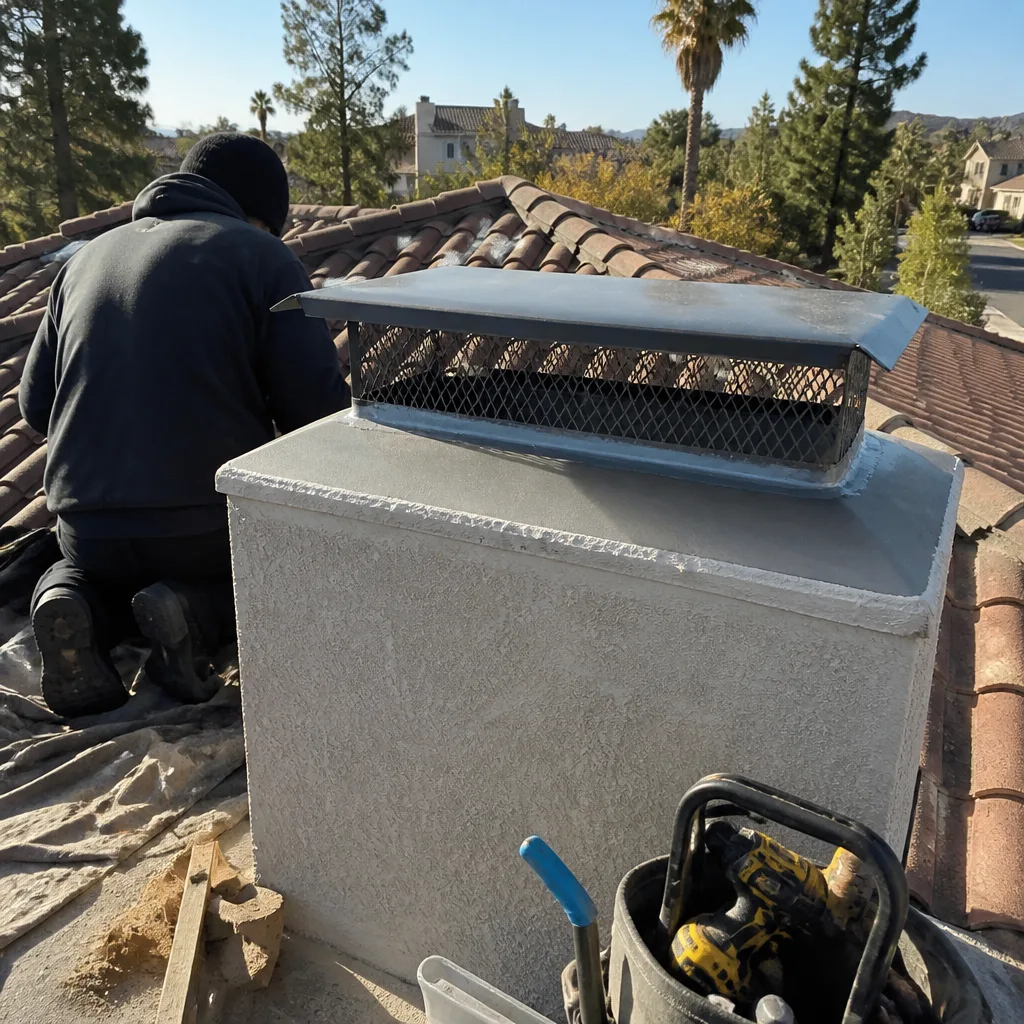
A stainless steel cap with a full mesh screen is the best choice for Murrieta homes, because it handles both wind and animal ingress. The mesh keeps birds and rodents out while allowing proper airflow. We work with Olympia Chimney and Famco cap products because they’re built to withstand the repeated wind stress that Santa Ana events create. A cheap cap that bends or loses its screen in the first season isn’t saving anyone money.
The Bottom Line
A chimney maintenance checklist for Murrieta homeowners is a seasonal document: September pre-season checks, January mid-season monitoring, and March post-season repair planning. The high-value checks are the ones most people skip: the smoke chamber, the cap after Santa Ana events, and the flashing on stucco and tile-roof homes. Log your maintenance for California resale disclosure, and don’t wait until November to schedule the professional sweep. If you find damage, address it in spring when scheduling is easy and materials cure best. Mayflower Chimney Sweep provides sweeping, inspection, repair, relining, and chimney repair in Murrieta under one roof, using named-brand materials including DuraFlex, HeatShield, Gelco, Olympia Chimney, Famco, and Copperfield. We tell you what we find, in plain language, before we touch anything. Call (877) 819-0285 for a free estimate and get your chimney on the right maintenance cycle.
Written by the team at Mayflower Chimney Sweep, serving Murrieta since 2013.
See the difference
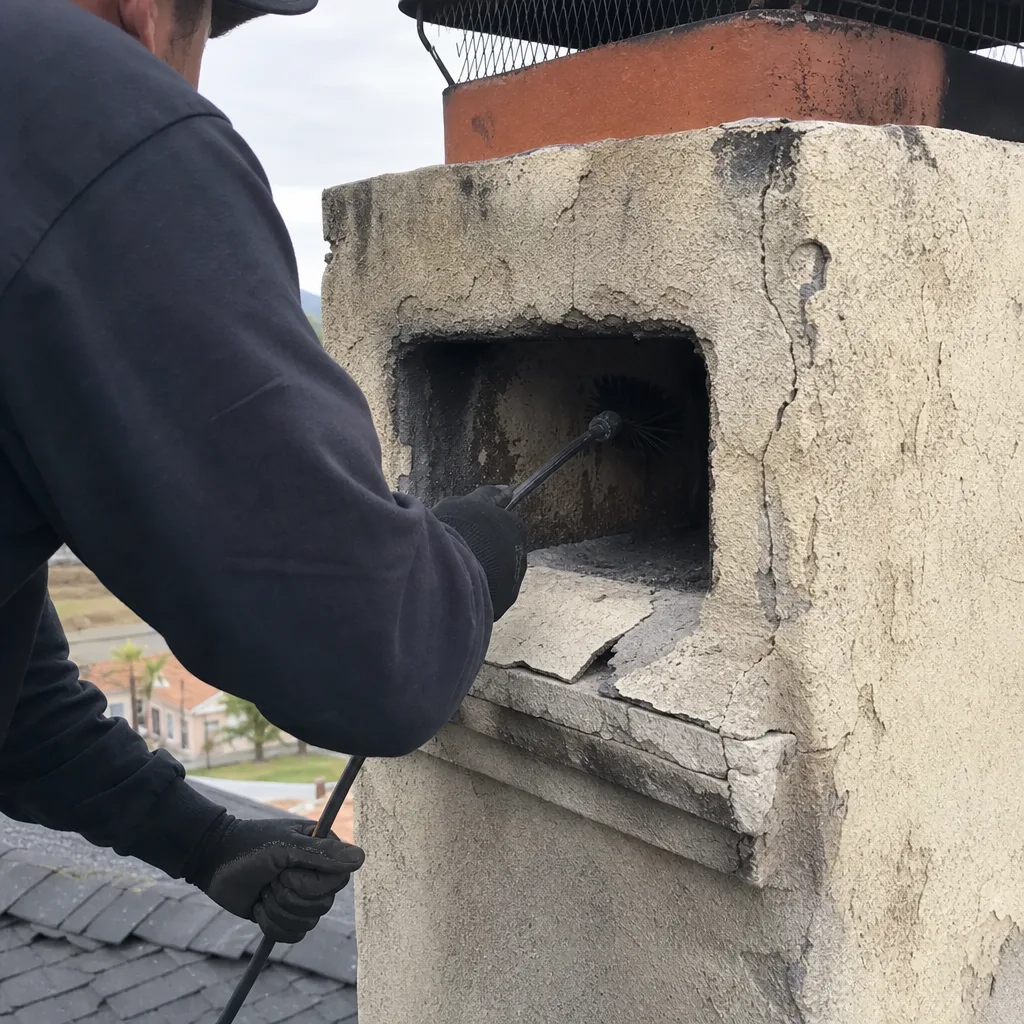 Before
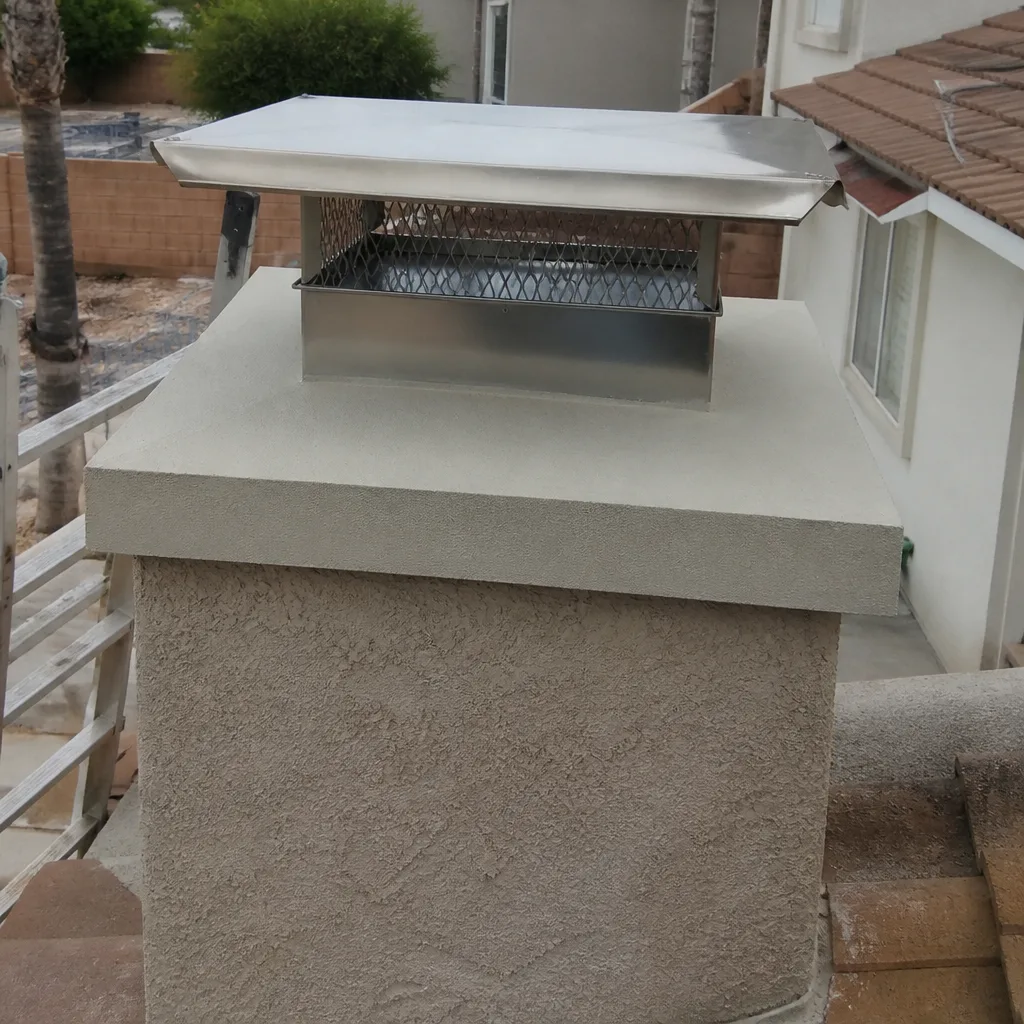 After
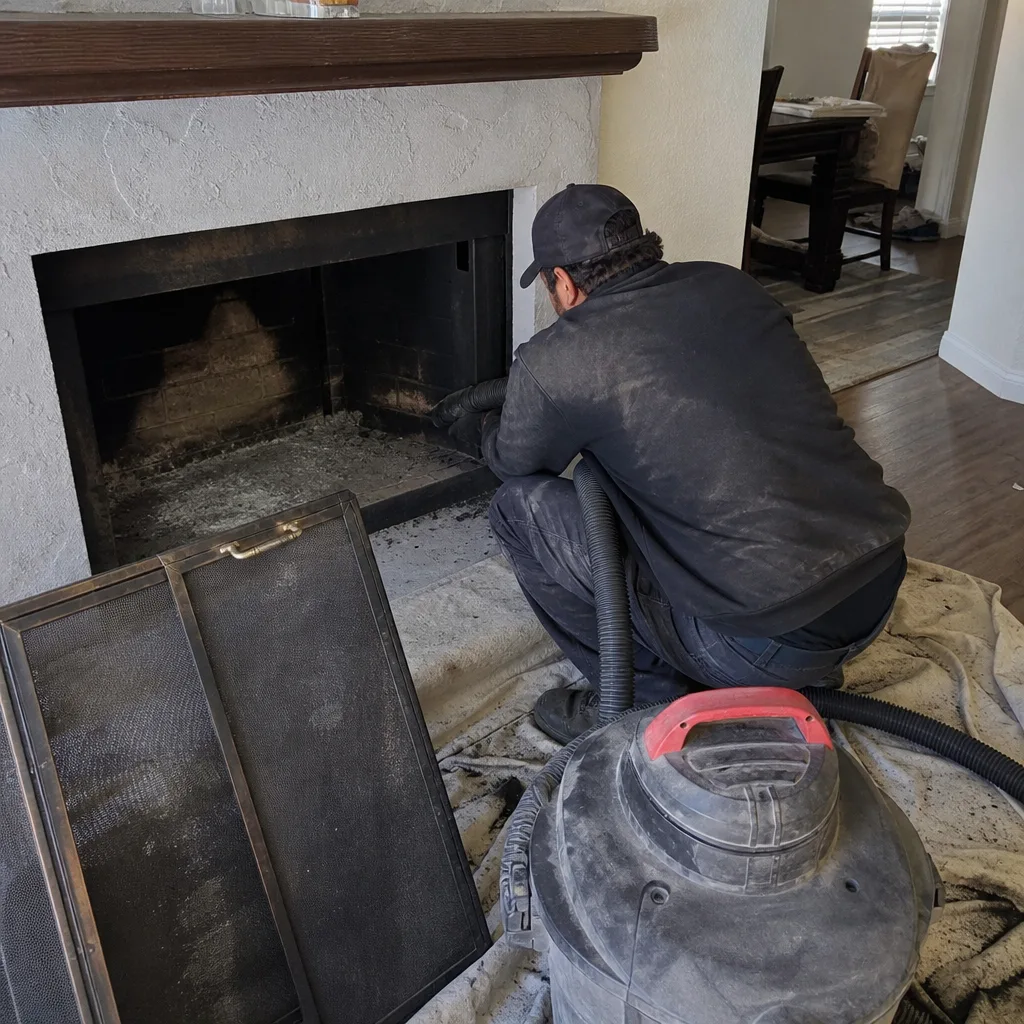 Before
 After
 Before
 After