Last updated October 30, 2026
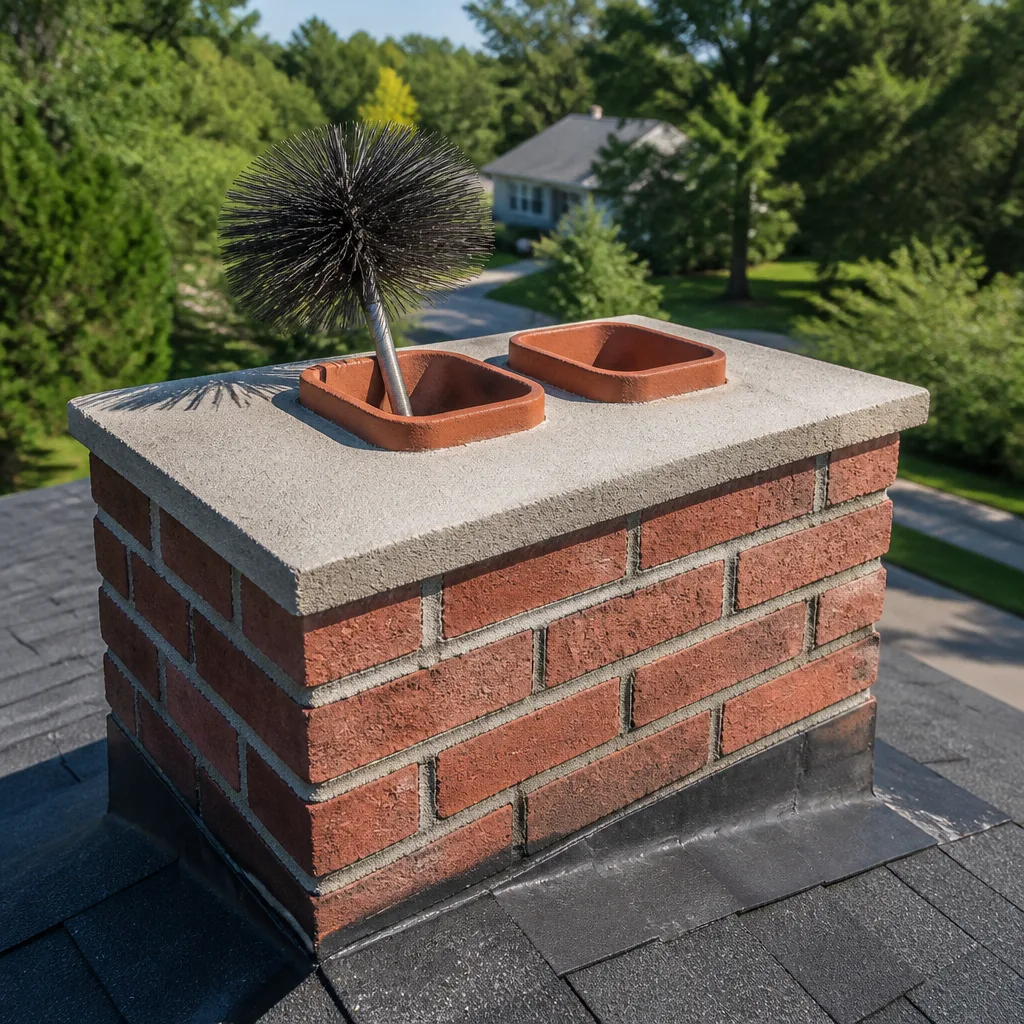 Sweep & inspection
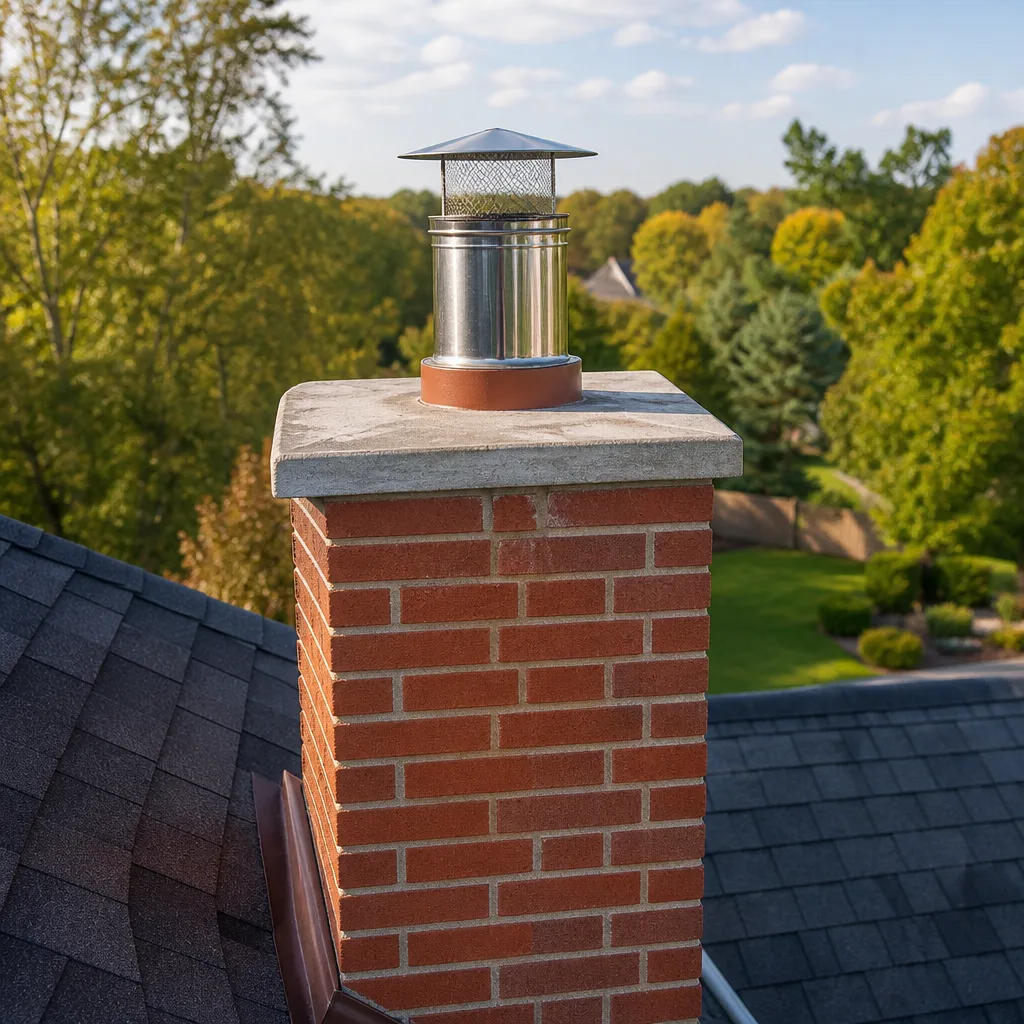
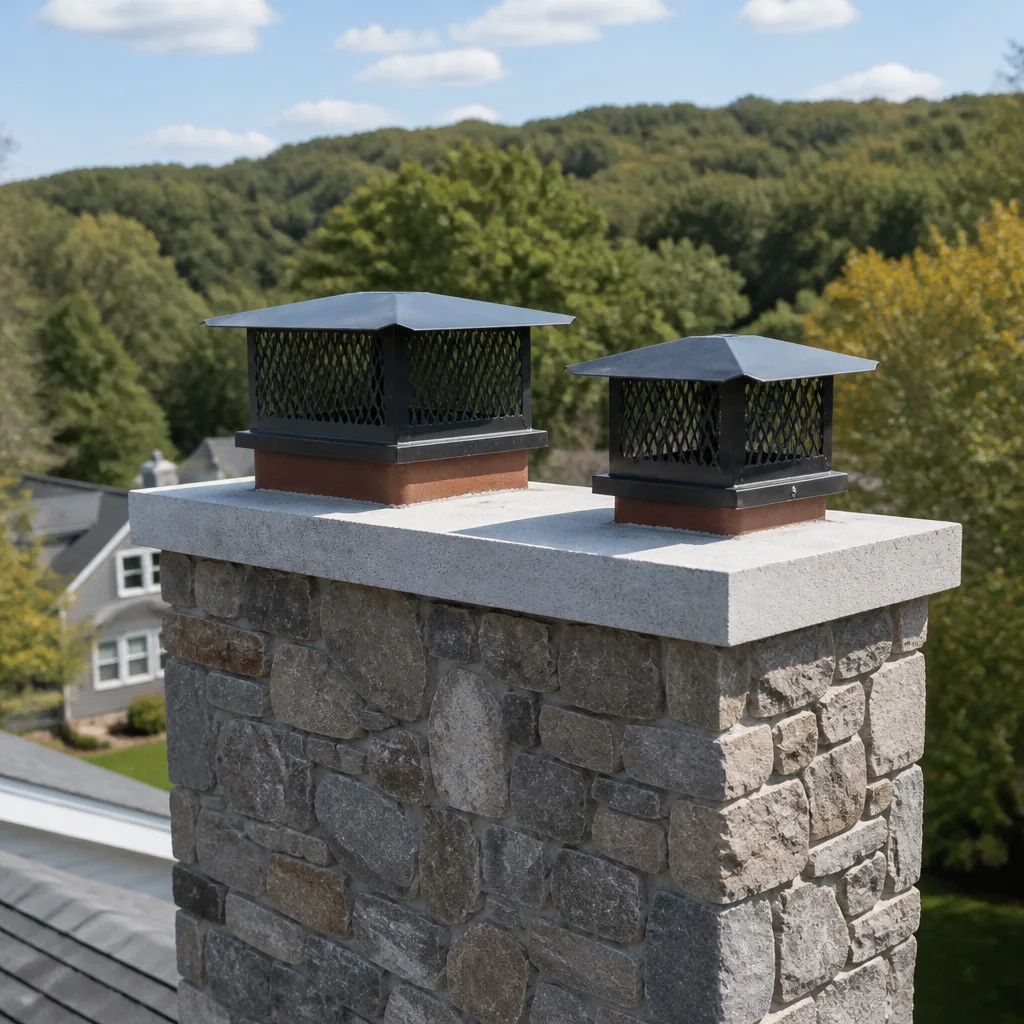 Caps & crowns
 Flue relining
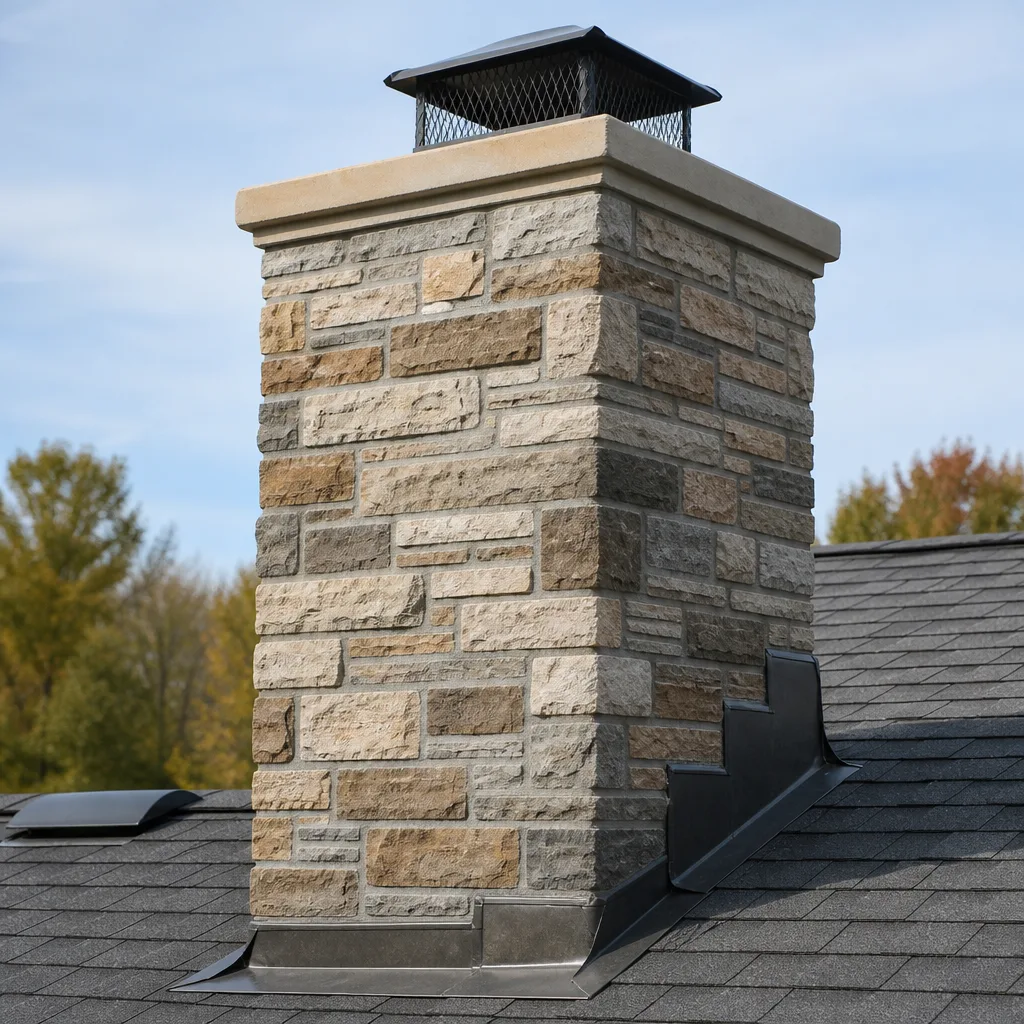 Masonry repair
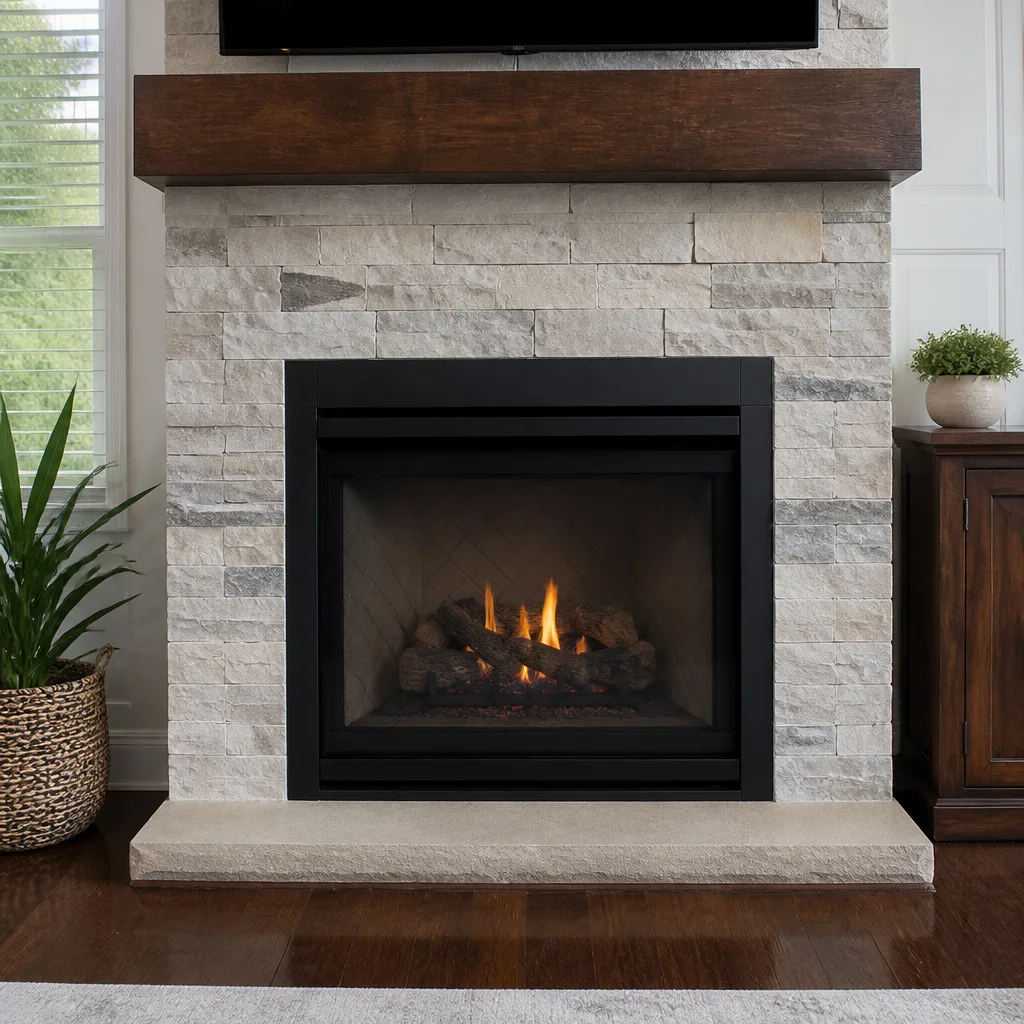 Gas fireplace service
Level 1 sweep and inspection to the NFPA 211 annual standard - flue, crown, cap, and flashing checked and photographed
Chimney sweep logs do not sweep chimneys. They loosen some creosote - which then falls where a brush and vacuum still have to collect it.
Chimney Sweep Troubleshooting: Common Problems and How to Fix Them
A chimney that smokes into the room isn’t automatically a dirty chimney. It might be a pressure problem caused by your HVAC system, a height-to-opening ratio issue on the firebox, or a damper that’s rusted half-shut. Sweeping won’t fix any of those, and plenty of homeowners in Murrieta find that out the hard way after paying for a cleaning they didn’t actually need. This guide—along with our Complete Chimney Sweep Guide for Murrieta Homeowners—walks you through the five most common chimney complaints, shows you how to read the clues your system is already giving you, and explains which problems you can diagnose yourself and which ones need a camera and a trained eye.
Styles & brands we work with
Quick Answer
Most chimney problems fall into two buckets: airflow issues (smoke rollout, weak draft, slow ignition) and moisture issues (water in the firebox, exterior staining, summer odors). The fix depends on the root cause, which requires checking the flue, the damper, the house pressure, and the chimney’s exterior condition. Some problems need a sweep, some need a repair, and confusing the two is the most expensive mistake a homeowner can make.
Table of Contents
- Smoke Rollout: Why Your Fireplace Pushes Smoke Into the Room
- Creosote Odor in Summer: What That Smell Actually Means
- Slow Ignition and Weak Draft: The Pressure Problem Nobody Talks About
- Water in the Firebox: Leaks, Condensation, and What to Check First
- Exterior Staining: White Residue, Dark Streaks, and Spalling Brick
- Sweep or Repair: How to Tell the Difference Before You Spend
- Common Mistakes to Avoid
- When to Call a Professional
- Frequently Asked Questions
- The Bottom Line
Smoke Rollout: Why Your Fireplace Pushes Smoke Into the Room
Smoke rollout is the complaint we hear most often from homeowners in Murrieta, especially in newer homes built tight for energy efficiency. The fireplace lights fine, the flames look good, and then ten minutes in, smoke starts curling over the lintel and into the living room. The automatic assumption is a dirty chimney. Sometimes that’s true. More often, it’s not.
Here’s the diagnostic sequence we follow, in order. You can do the first two yourself.
- Check the damper. Open it fully. A damper that’s jammed partially closed restricts exhaust flow and forces smoke backward. If the handle is stiff or won’t move, that’s a mechanical problem, not a sweeping problem.
- Prime the flue. Cold air in the chimney is heavy. It sinks, creating a plug that warm smoke can’t push through. Hold a lit roll of newspaper up into the open damper area for 30 to 60 seconds before lighting the fire. If the smoke starts drafting upward after priming, the flue itself is likely clear.
- Do the matchstick test. Light a match, hold it near the damper opening, and watch the flame. If it leans toward the room instead of up the chimney, you have negative house pressure. That means something inside the house is pulling air from the chimney, not letting it exhaust. Common culprits: a running range hood, bathroom exhaust fans, a forced-air HVAC system, or a second fireplace on the other side of the house.
- Check for blockage. If the draft is strong but smoke still rolls out, look up the flue with a flashlight. You’re checking for visible obstruction: bird nests, fallen brick, a collapsed clay tile liner, or heavy creosote buildup narrowing the passage.
- Check the firebox opening ratio. If the fireplace opening is too tall relative to the flue size, smoke has room to escape before the draft can capture it. This is a design issue common in older Murrieta homes with modified fireplaces. The fix is usually a smoke guard, a metal strip that reduces the opening height.
When the cause is negative house pressure, sweeping the chimney does nothing. The problem is structural, and it lives in your home’s ventilation, not in the flue. We tell homeowners this plainly because we’ve seen too many people pay for a sweep they didn’t need. If the matchstick test shows pressure issues, the fix might be as simple as cracking a window near the fireplace when burning. If it’s chronic, the conversation shifts to home ventilation or a direct air supply for the firebox.
Creosote Odor in Summer: What That Smell Actually Means
Every July, the calls start coming. The fireplace hasn’t been used in four months, and there’s a sharp, acrid smell in the room. Sometimes it’s tar-like, sometimes it smells like asphalt, sometimes like burnt barbecue left out overnight. That’s creosote, and the heat and humidity in Murrieta summers make it off-gas more aggressively.
But not all creosote is equal. The texture, color, and location tell you a lot about what’s happening inside the flue.
- Stage 1: Flaky, dusty, brown or gray. This is dry creosote. It forms from incomplete combustion at lower temperatures. It’s easily brushed away. If this is what’s causing the smell, a standard sweeping resolves it, and adjusting burn habits (hotter fires, dry hardwood) slows its return.
- Stage 2: Crunchy, tar-like, dark brown or black. This is glazed or baked creosote. It’s more stubborn, and it builds volume faster. It usually means the homeowner is burning wood that’s not fully seasoned, or the fires are too small and smoldering. Sweeping can remove most of it, but the burn habits need to change or it comes right back.
- Stage 3: Hard, shiny, black glaze. This is glazed creosote. It’s the most dangerous form because it ignites easily and burns hot. It’s also the hardest to remove. A standard sweep can’t touch it, and chemical treatments alone won’t change it. This requires mechanical removal or a professional-grade treatment protocol, and in cases where the liner is heavily glazed, we talk honestly about whether relining is the safer long-term answer.
Summer creosote odor isn’t an emergency by itself, but it’s a signal. If the smell gets worse when the air conditioner runs, or if it intensifies on humid days, the creosote is absorbing moisture and releasing volatile compounds. That tells us there’s active buildup. If the smell persists after a sweep, the creosote has likely penetrated into mortar joints or behind the damper, which points toward a repair scope rather than a cleaning scope. We’ve worked on chimneys in Murrieta where the summer smell was the only warning sign before a chimney fire in November. The smell was the symptom. The glazed deposits were the disease.
For a deeper look at what a professional sweep actually addresses in this region, see our page on Chimney Sweep in Murrieta.
Slow Ignition and Weak Draft: The Pressure Problem Nobody Talks About
You build the fire, you light the kindling, and instead of snapping to life, the flames sit low and lazy. Smoke curls upward slowly, if at all. The fire struggles. This is a draft problem, and in our experience, the cause is just as often the house as it is the chimney.
A chimney draws because air pressure at the top of the flue is lower than air pressure inside the house. That pressure difference creates the pull. When the pressure inside the house drops too low, the chimney stops pulling. This is negative house pressure, and it’s common in modern homes with sealed windows, tight insulation, and multiple exhaust appliances.
Here’s how to isolate the cause without burning a full load of wood.
- Run the water heater test. Turn on a hot water tap and listen for the water heater firing. If the draft feels weaker while the water heater burns, your furnace or water heater is competing with the fireplace for combustion air. Both appliances need air to exhaust properly, and the house can only supply so much.
- Check the chimney height. A chimney that doesn’t extend at least 3 feet above the roofline, or 2 feet higher than anything within 10 feet, will always struggle to draw. Wind turbulence over the roof creates pressure that pushes smoke back down. This is a structural condition, not a cleaning issue. The fix is extending the flue, not sweeping it.
- Look at the flue size. A flue that’s too large for the firebox never gets hot enough to establish a draft. The smoke cools, stalls, and backs up. This is another design problem common in older Murrieta homes where fireplaces were built oversized for aesthetic reasons. An oversized flue often calls for a properly sized liner, which also improves safety by reducing creosote formation.
- Inspect the damper throat. If the damper frame or the smoke shelf area is packed with debris from years of small animal activity or fallen mortar, the exhaust passage narrows. The draft starves. A camera inspection shows exactly what’s happening above the damper, which a visual check from below can’t do.
If the matchstick flame leans toward the room with all windows closed and no exhaust fans running, the house is too tight. Try opening a window an inch or two while the fire establishes. If the draft immediately improves, you’ve found your answer. Chronic pressure problems in tightly sealed homes are often solved with a dedicated combustion air vent, which a chimney professional can install. It’s a repair, not a sweep. That distinction matters when you’re deciding where to spend money.
Water in the Firebox: Leaks, Condensation, and What to Check First
Water in the firebox is never normal, but not all water means a leak. The first question is where the water is appearing and when. A puddle at the base of the firebox after a heavy rain points toward a cap or crown failure. Dampness on the firebox walls after a gas fire points toward condensation, which is a combustion issue, not a water intrusion issue.
Here’s the diagnostic path we use when a Murrieta homeowner reports water in the firebox.
- Check the chimney cap. If the cap is missing, rusted through, or has gaps around the flue, rain runs straight down the flue. The fix is a proper cap, and this is where material quality matters. We install caps and components from brands like Gelco and Copperfield, because a cap that rusts out in five years is a recurring expense, not a one-time fix. A stainless cap from a recognized manufacturer outlasts the cheaper sheet-metal versions you’d find at a big-box store.
- Check the crown. The crown is the concrete slab at the top of the chimney. It should slope away from the flue to shed water. Cracks, flat spots, or missing chunks let water soak into the brick. Crown repair is masonry work, not sweeping. If the crown is failing, no amount of cleaning will stop the water.
- Check the flashing. Where the chimney meets the roof, the sheet-metal flashing should be sealed. Over time, in the Murrieta sun and occasional freeze-thaw cycles on winter nights, flashing pulls away from the mortar. Water follows the gap and runs down the outside of the chimney, eventually showing up inside the firebox.
- Check for spalling brick. If the firebox brick is flaking, crumbling, or turning to powder at the bottom, that’s spalling, and it’s a direct result of water wicking through masonry. Once spalling starts, the brick loses its structural load. This is a repair situation, and we’ll recommend it only when the evidence supports it. We show you the affected brick before recommending anything.
Water that only appears on the damper or the firebox floor during summer, when the fireplace isn’t used, often comes from condensation. High indoor humidity meets the cool chimney interior, and water vapor condenses on the surfaces. This is more common with gas fireplaces, which produce a lot of moisture during combustion. The answer in those cases is often adjusting the gas log set or improving the flue ventilation, not a masonry repair.
When water is the issue, the fix is almost never a sweep. It’s cap work, crown repair, or flashing correction. If you’d like to understand more about how repair scope gets determined, see Chimney Repair in Murrieta.
Exterior Staining: White Residue, Dark Streaks, and Spalling Brick
Walk around the outside of your chimney every few months. The exterior tells you things the interior can’t. Efflorescence, the white chalky residue that forms on brick, means water is moving through the masonry and bringing minerals to the surface. It’s not harmful by itself, but it’s the early warning sign of a moisture problem that will eventually cause spalling, the flaking and crumbling that destroys brick from the inside out.
Dark streaks below the crown, around the flashing, or down the sides usually mean one of two things. If they’re black and sooty, creosote is bleeding through the mortar from inside the flue, which indicates a liner breach. If they’re green or dark brown, you’re looking at organic growth, which means the brick stays wet long enough for moss or algae to take hold. Both conditions point to water, and both are progressive.
Here’s a useful distinction. A white chalky residue that wipes off is recent. A white residue that has crystallized and won’t wipe off means the moisture cycle has been ongoing for a while. Spalling brick, the ones that flake off in sheets or crumble at the edges, means the face of the brick has already failed. Once spalling starts, the only correction is removing the damaged brick and rebuilding the affected section. Patching with mortar doesn’t work, because the problem is inside the brick, not on the surface.
For Murrieta homeowners, exterior staining is often the first visible clue that the chimney needs more than a cleaning. The climate here, dry summers and occasional heavy winter rains, creates a cycle where chimneys absorb moisture during the rainy months and bake it out during the summer. That cycle is hard on mortar and brick. We mention this because we see it repeatedly: chimneys in this region fail from water before they fail from age. The staining is the tell.
When we inspect a chimney with exterior staining, we show the homeowner exactly where the water is entering and what the moisture has already done to the brick. The conversation we have is about repair scope and material durability. For crown work, for cap installation, for any component on the exterior, we use materials from manufacturers like Olympia Chimney and Famco, because these are names a homeowner can research and hold us to. Our Choosing the Right Chimney Cleaning Brand: A Buyer’s Guide for Murrieta explains how we evaluate the products we install. We name what we use, and we stand behind it.
Sweep or Repair: How to Tell the Difference Before You Spend
This is the distinction that determines whether you spend three hundred dollars or three thousand. A sweep is routine maintenance. A repair is corrective work. Confusing the two, or paying for one when you need the other, is the single most expensive mistake we see homeowners make.
Here’s the rule we use. If the problem is buildup, a sweep handles it. If the problem is structural, damaged components, or water intrusion, a sweep does nothing but move debris around while the underlying condition worsens.
Use this table to sort your symptoms.
What the Problem Is Telling You
- Flaky creosote buildup, mild smoke rollout, musty smell when burning: Sweep. This is normal maintenance that should happen annually for active fireplaces.
- Glazed creosote, thick tar-like deposits, roaring chimney fire risk: Sweep with mechanical treatments, but likely a relining conversation if the liner is scored or failing. We use HeatShield and DuraFlex liner systems for relining because they’re the same certified materials used by chimney professionals nationwide.
- Water in the firebox after rain, white staining, spalling brick: Repair. Cap, crown, flashing, or masonry work. Sweeping won’t touch it.
- Consistent smoke rollout with strong draft: Repair. This points to a damper issue, a firebox ratio problem, or an undersized flue. None of those get fixed with a brush.
- Weak draft only when HVAC runs: Neither a sweep nor a repair, at least not initially. This is a house pressure issue. Fix the ventilation, not the chimney.
- Rust on the damper or firebox hardware: Repair. Rust means water intrusion. Find the water source, then replace the damaged hardware.
What makes this hard for a homeowner is that several of these conditions look the same from the living room. Dark staining inside the firebox could be creosote or it could be water-damaged brick. A smoky fire could be a dirty flue or a pressure problem. The only way to tell the difference definitively is with a camera inspection, which shows the interior of the flue in detail you can’t see from below. We do camera inspections as part of a full sweep because findings change the recommendation. When we see a problem, we tell you in plain language what we found, what it means, and what the options are. The decision is yours. If you’re in the Murrieta area, the team is reachable through our Mayflower Chimney Sweep home page or by phone at (877) 819-0285.
Common Mistakes to Avoid
- Sweeping a chimney that needs repair. If the liner is cracked or the crown is failing, a sweep removes surface buildup but leaves the structural problem intact. The money is spent, the hazard remains. We recommend a camera inspection before any repair decision.
- Ignoring summer creosote odor. That sharp smell in July is telling you the flue has active buildup and the liner is absorbing moisture. Every year in Murrieta, we get calls in August from homeowners who smelled it in June and waited for the fall rush. Early attention means more scheduling options and lower removal difficulty.
- Burning unseasoned wood to save money. Wet wood creates low-temperature fires, which create glazed creosote, which creates chimney fire risk. The money saved on green wood gets spent on removal and sometimes on a new liner. It’s a false economy.
- Assuming a smoky chimney is always a dirty chimney. We covered this above, but it bears repeating. A pressure problem in a tightly sealed house won’t improve after a sweep. Test for negative pressure before booking a cleaning.
- Skipping the dryer vent. A dryer vent is a chimney for your laundry appliance, and it carries the same fire risk when lint clogs the passage. Dryer vents are chimneys too, and they’re just as important to maintain. We offer Dryer Vent Cleaning in Murrieta because the fire-safety principle is identical.
- Pouring water on a chimney fire. A sudden temperature swing can crack the liner or even the masonry itself. If you have a chimney fire, close the damper and call the fire department. Never introduce water into a hot flue.
- Using chemical creosote logs instead of sweeping. Chemical logs can reduce some stage-one creosote, but they don’t remove glazed deposits, and they don’t replace an inspection. The most dangerous thing a chemical log can do is give a homeowner false comfort that the chimney is safe when it isn’t.
When to Call a Professional
You should call a chimney professional when you see glazed creosote, when water enters the firebox during rain, when visible spalling or exterior staining appears, when smoke rollout happens consistently despite a primer and an open damper, and any time the flue has not been camera-inspected in the past three years. If you smell strong creosote odor in summer, that’s also a call. None of these conditions improve on their own. Mayflower Chimney Sweep offers free estimates in Murrieta. Call (877) 819-0285 and we’ll take a look, show you what we find, and tell you straight whether it’s a cleaning, a repair, or both. No upsell pressure. No scare tactics. Just the facts, in language you can act on.
Frequently Asked Questions
A sweep handles buildup: flaky creosote, soot accumulation, mild odor. A repair handles structural problems: cracked liners, failing crowns, rusted dampers, water-damaged brick. The only reliable way to distinguish between the two is with a camera inspection, which shows the flue interior in detail. In Murrieta, where winter rains cause expansion and contraction cycles, liner damage is more common in older chimneys than most homeowners expect.
Summer creosote odor happens when humid air meets creosote deposits inside the flue, releasing a sharp, tar-like smell into the house. The intensity of the smell usually correlates with the amount of buildup. If you smell it, the chimney needs a cleaning, and if the odor persists after a sweep, there’s likely creosote embedded in mortar joints that points to a deeper condition.
Smoke rollout after a sweep usually means the problem was never buildup. Negative house pressure, an undersized flue, a firebox ratio problem, or a damper issue can all cause smoke rollout with a perfectly clean chimney. The matchstick test helps identify pressure problems, while a camera inspection rules out structural causes. Homes in newer Murrieta developments, built tight for HVAC efficiency, are especially prone to pressure-related rollout.
A chimney inspection with a camera typically runs between $150 and $300 depending on access and chimney height. A standard sweep in Murrieta usually falls in the $180 to $340 range, and combining an inspection with a sweep is often the most cost-effective way to get a complete picture. If a repair is needed, the scope and cost depend on the condition we find. Mayflower Chimney Sweep provides free estimates, and we show you the problem before we quote a fix. Call (877) 819-0285 to schedule.
Yes, for basic checks. Open the damper fully, prime the flue with a lit newspaper, and run the matchstick test to check draft direction. Visually inspect the firebox for spalling brick and rust. Look at the exterior for white staining and dark streaks. What you can’t do yourself is a camera inspection, which is the only way to see liner cracks, hidden creosote glaze, and blockage that a flashlight can’t reach.
The National Fire Protection Association recommends a sweep and inspection at least once a year for chimneys in active use, and any time the buildup reaches one-eighth inch inside the flue. For Murrieta homes that burn wood during the cooler months, an annual sweep before the season starts is the practical standard. If you also run a dryer regularly, the same annual cadence applies to the dryer vent, which carries its own fire risk.
The Bottom Line
Chimney problems are symptoms. The skill is in finding the cause. Smoke rollout might be pressure, not dirt. Water in the firebox might be a cap, not a liner. Summer odor might be a burn habit, not just a dirty flue. Before you spend money on a sweep, figure out what the problem is actually telling you. Some checks you can do yourself with a flashlight and a match. Others need a camera and someone who’s seen enough chimneys to know the difference. At Mayflower Chimney Sweep, we tell you what we find, in plain language, before we do anything. That’s how a chimney business should work.
Written by the team at Mayflower Chimney Sweep, serving Murrieta since 2013.
See the difference
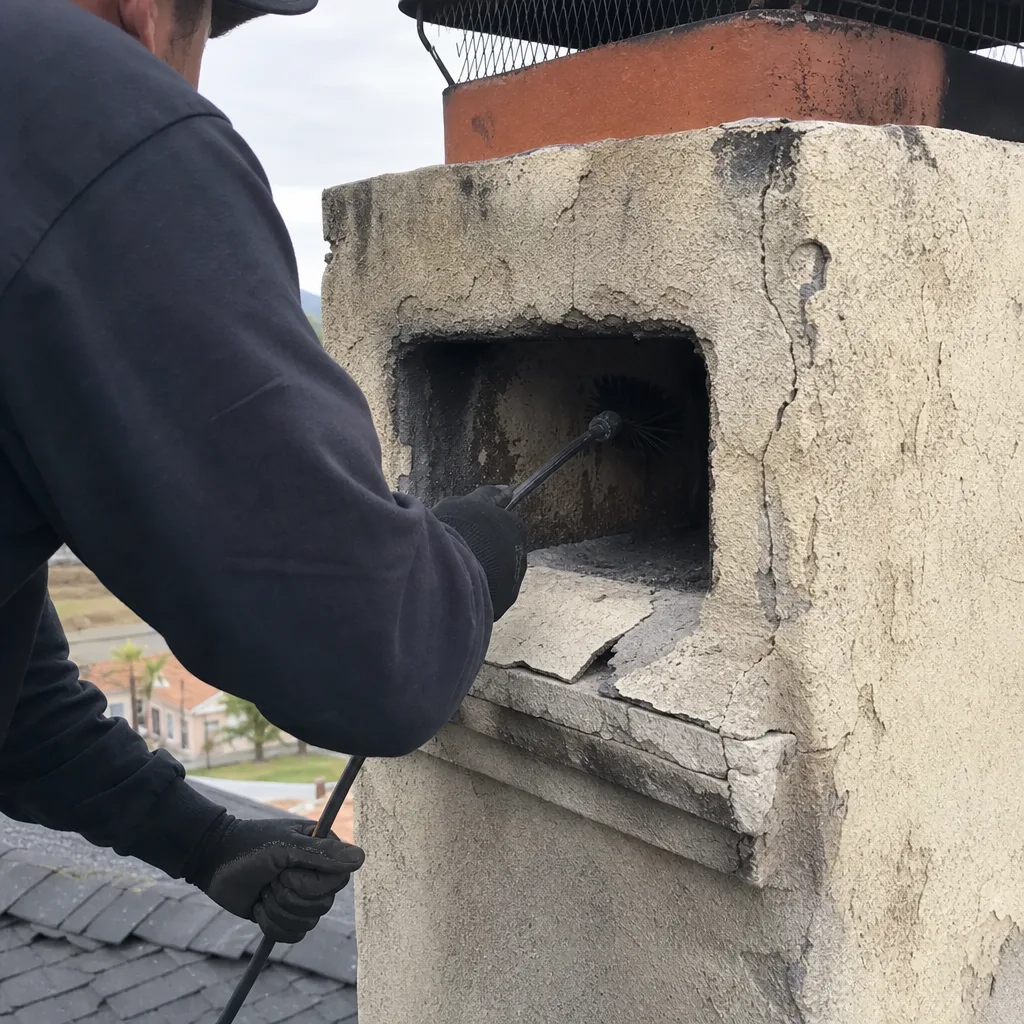 Before
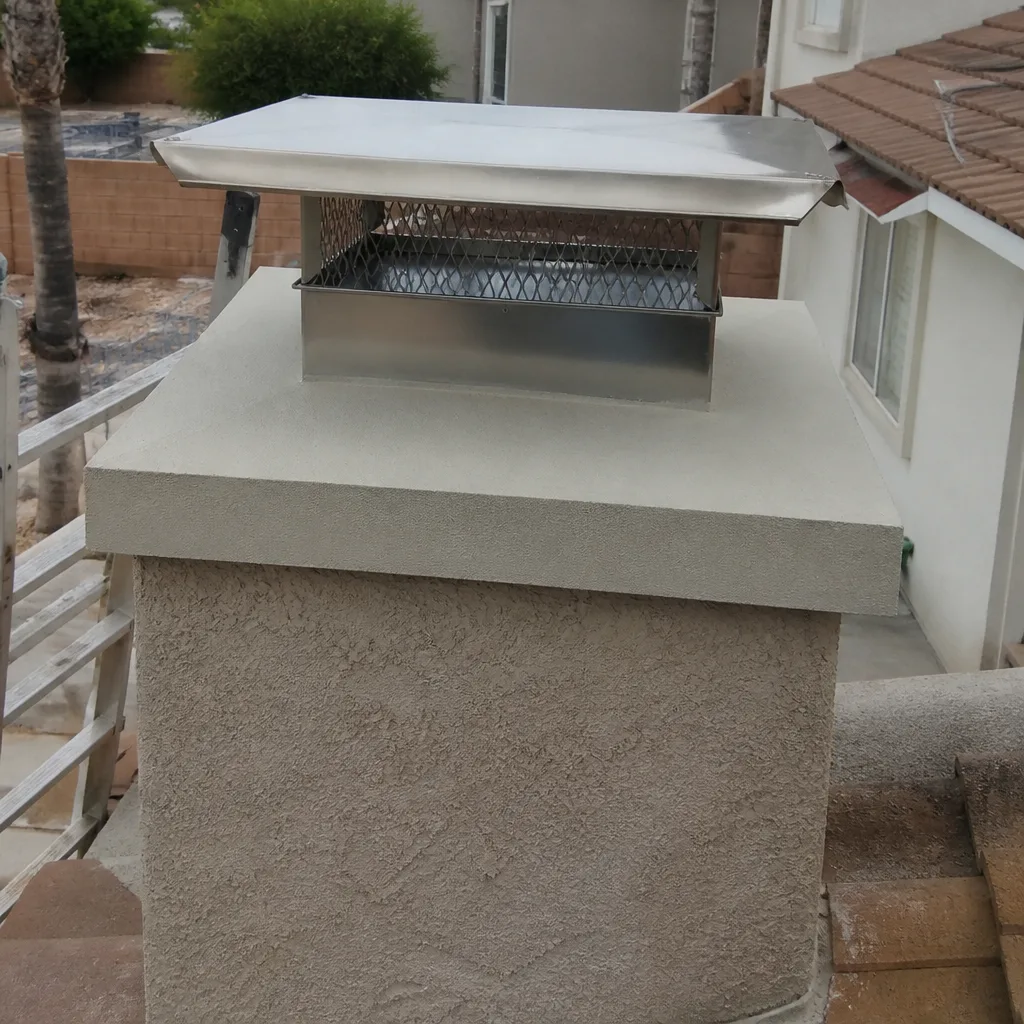 After
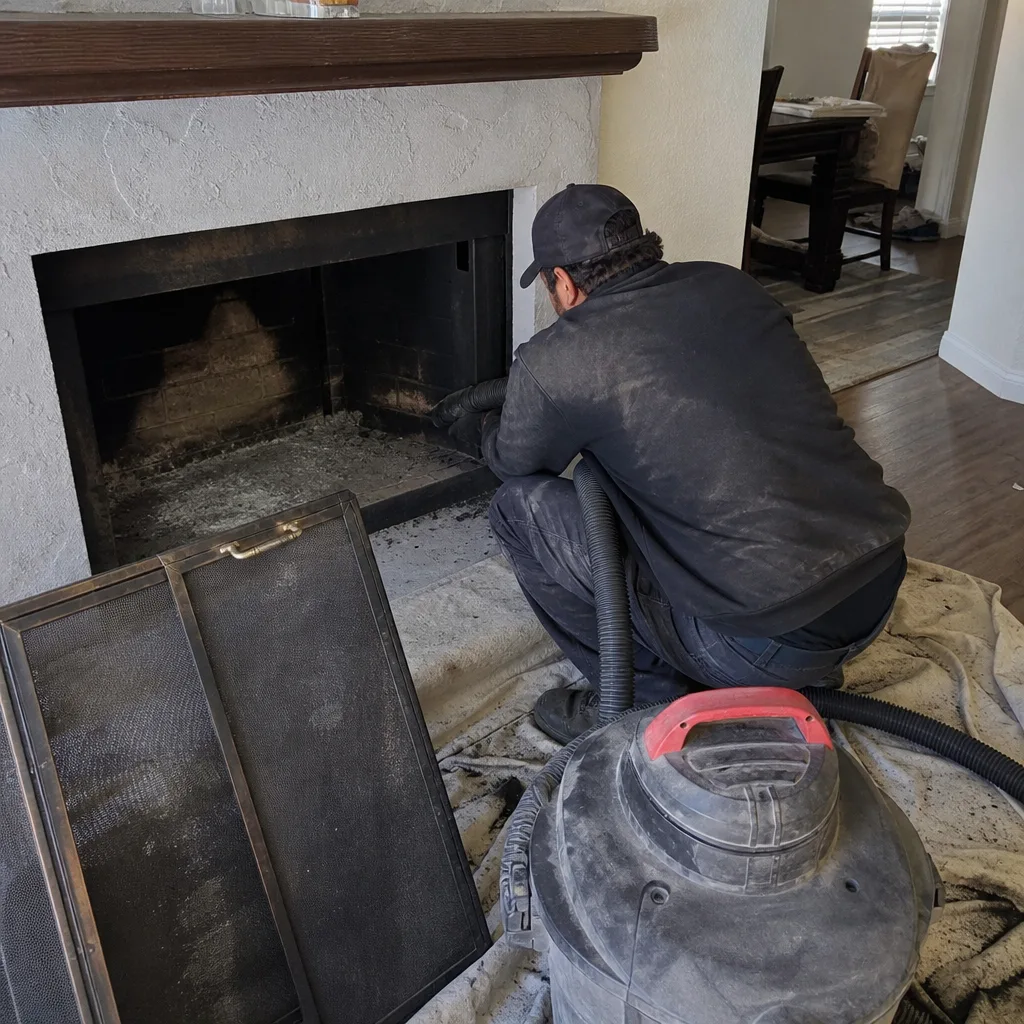 Before
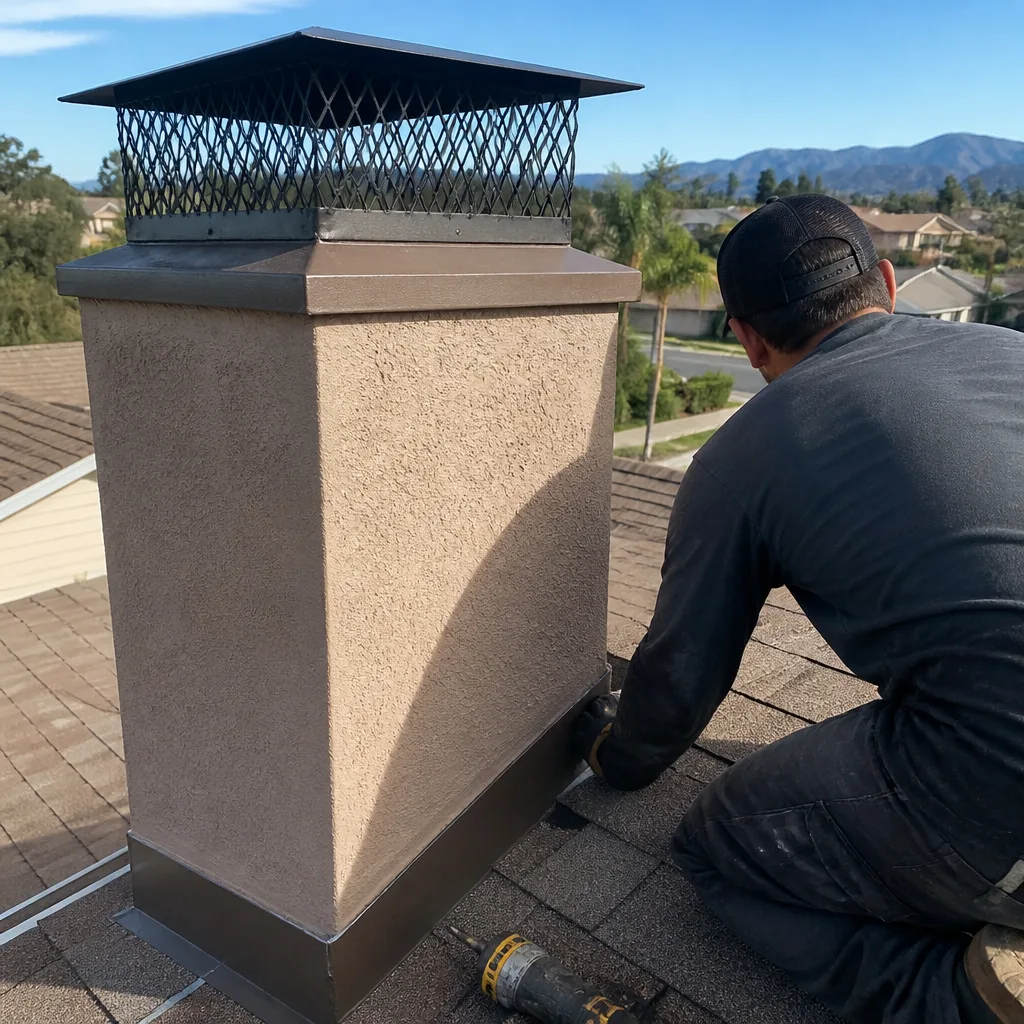 After
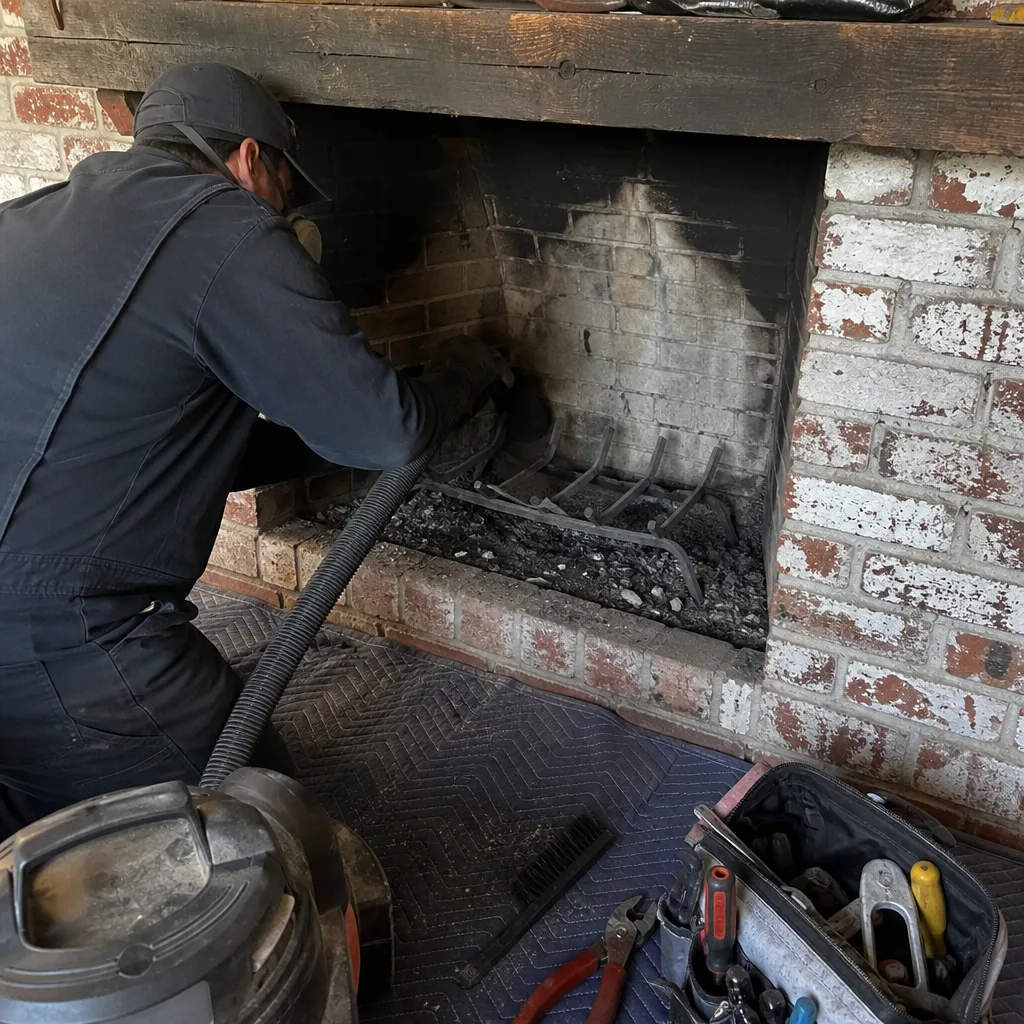 Before
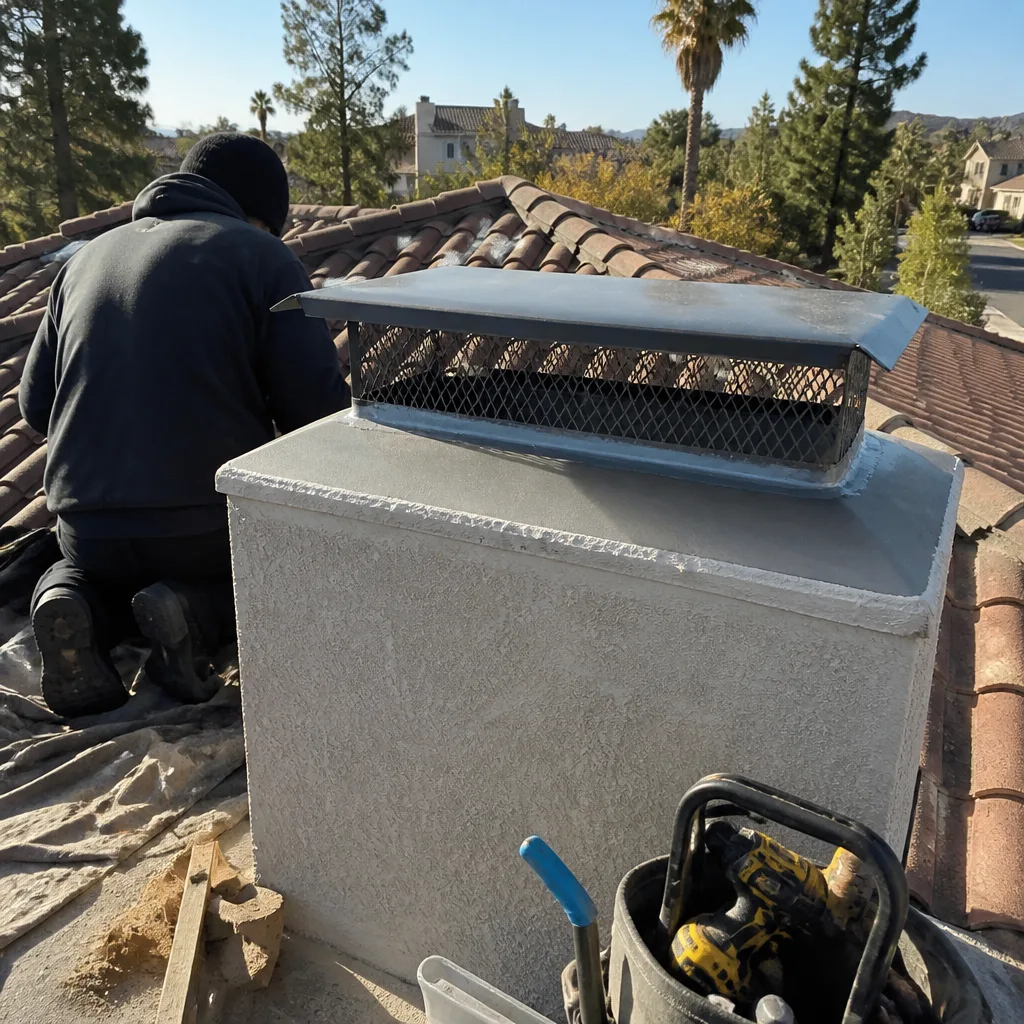 After