Last updated October 30, 2026
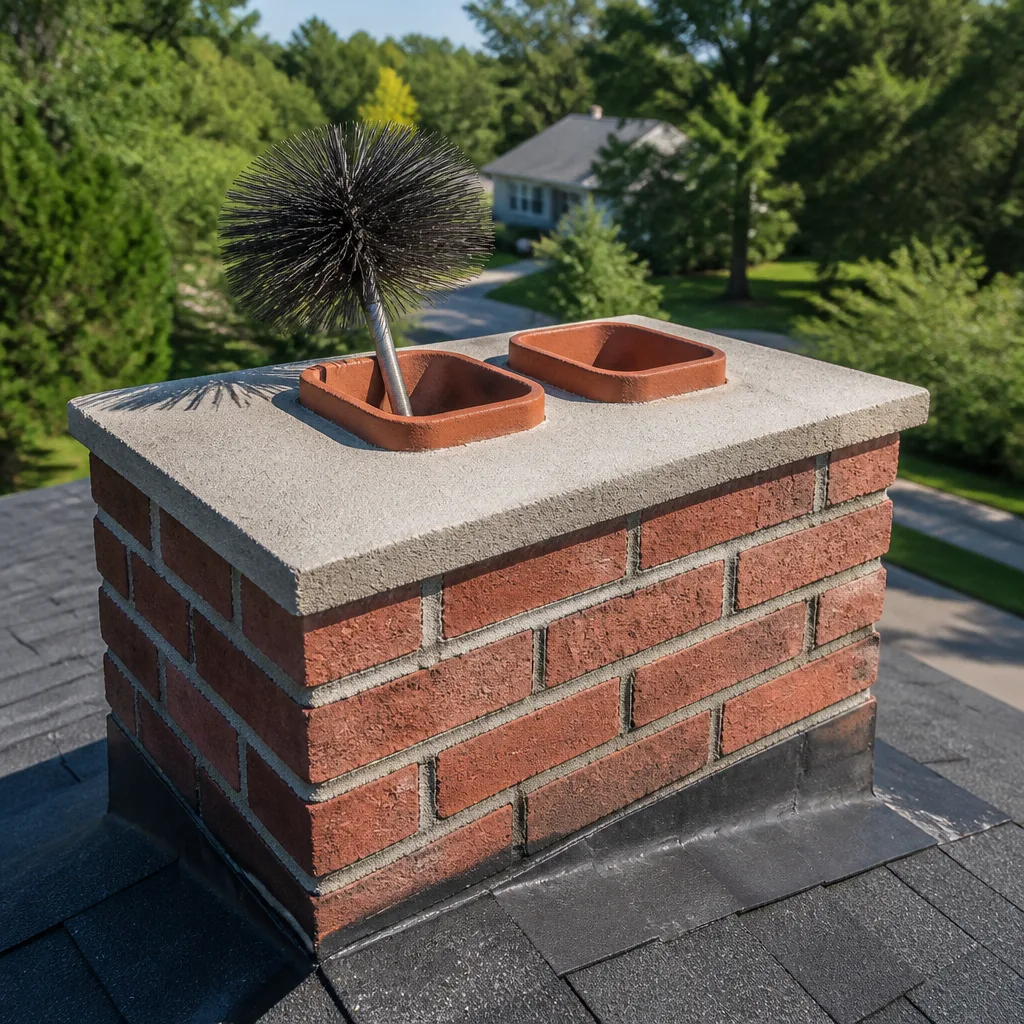 Sweep & inspection
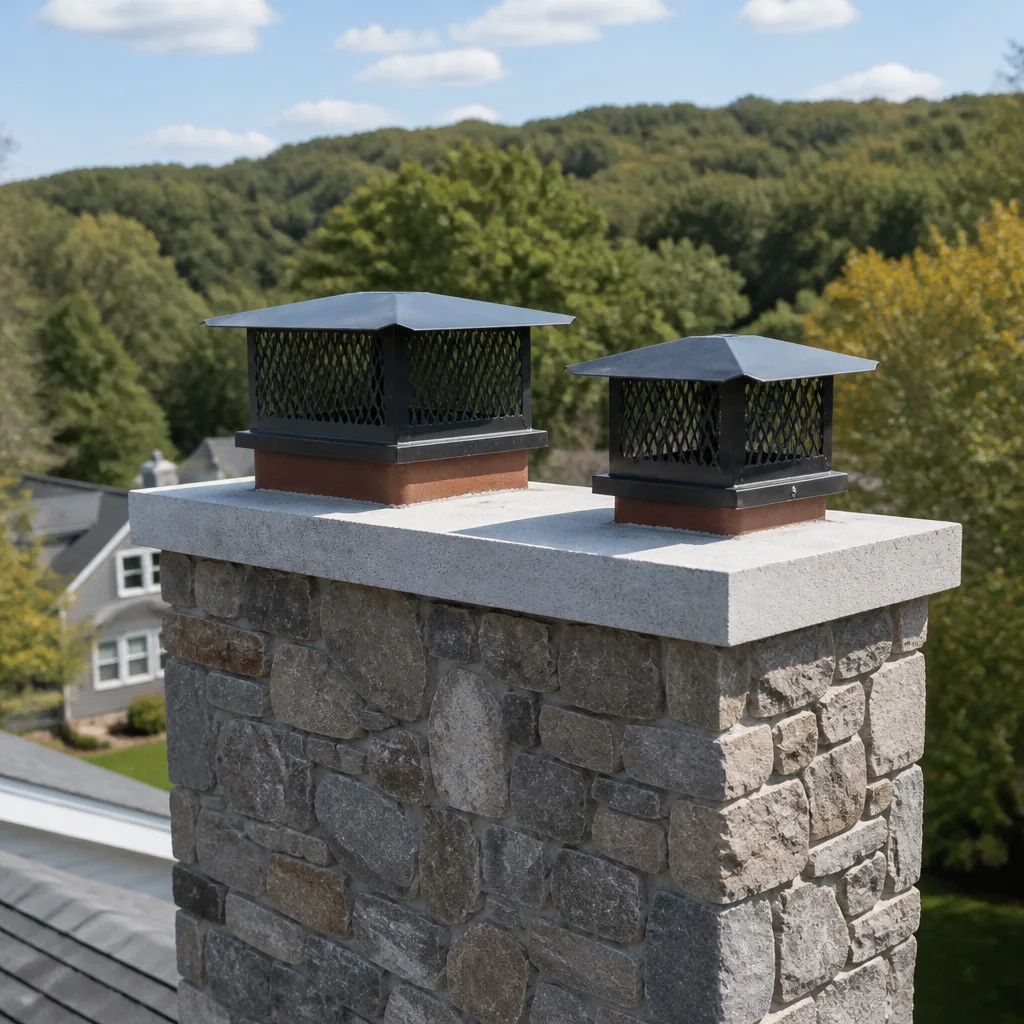 Caps & crowns
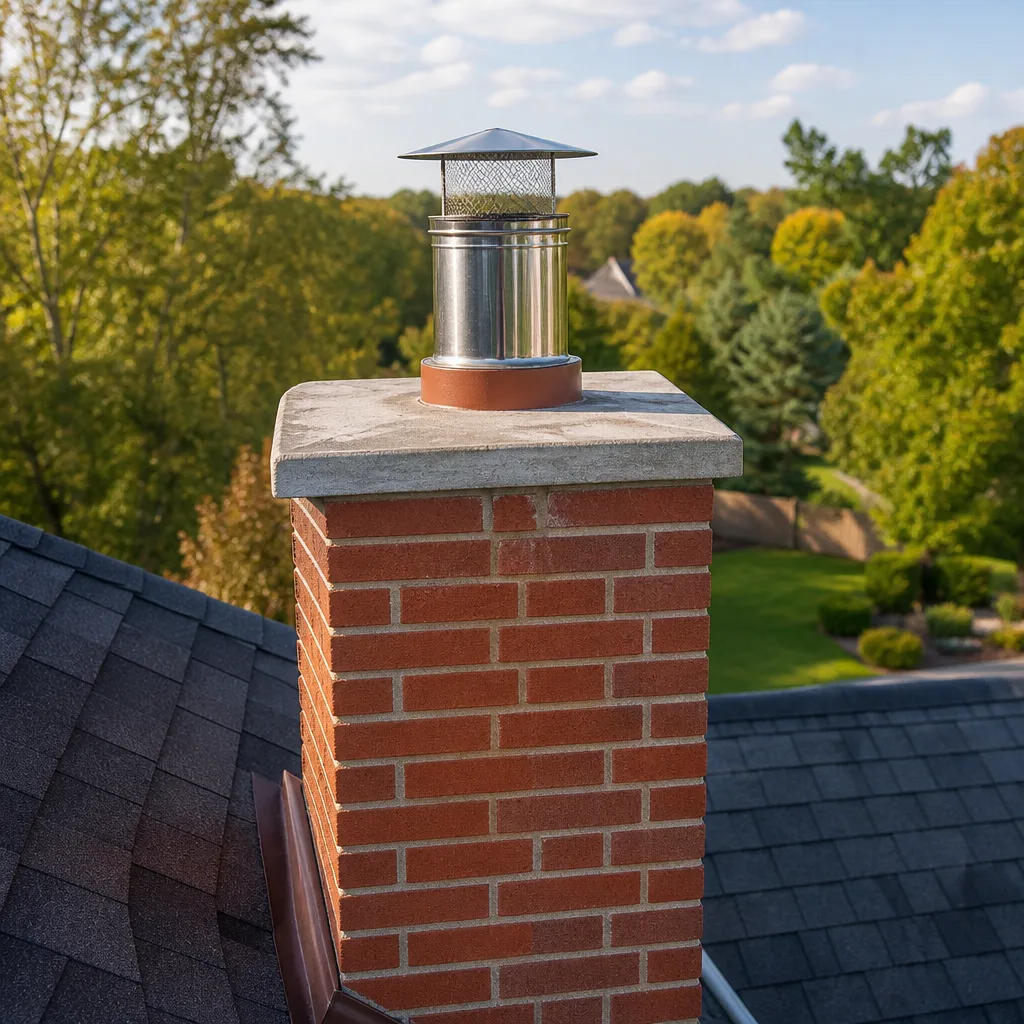 Flue relining
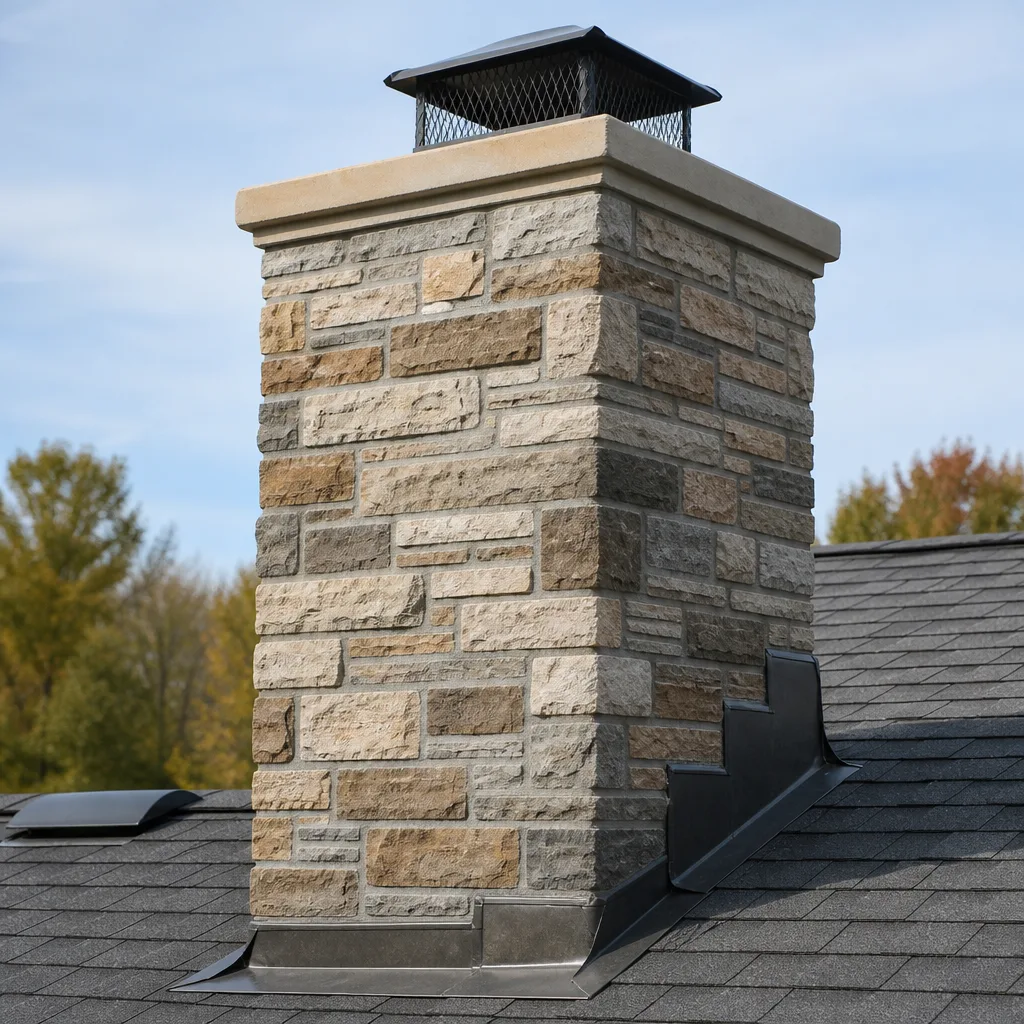 Masonry repair
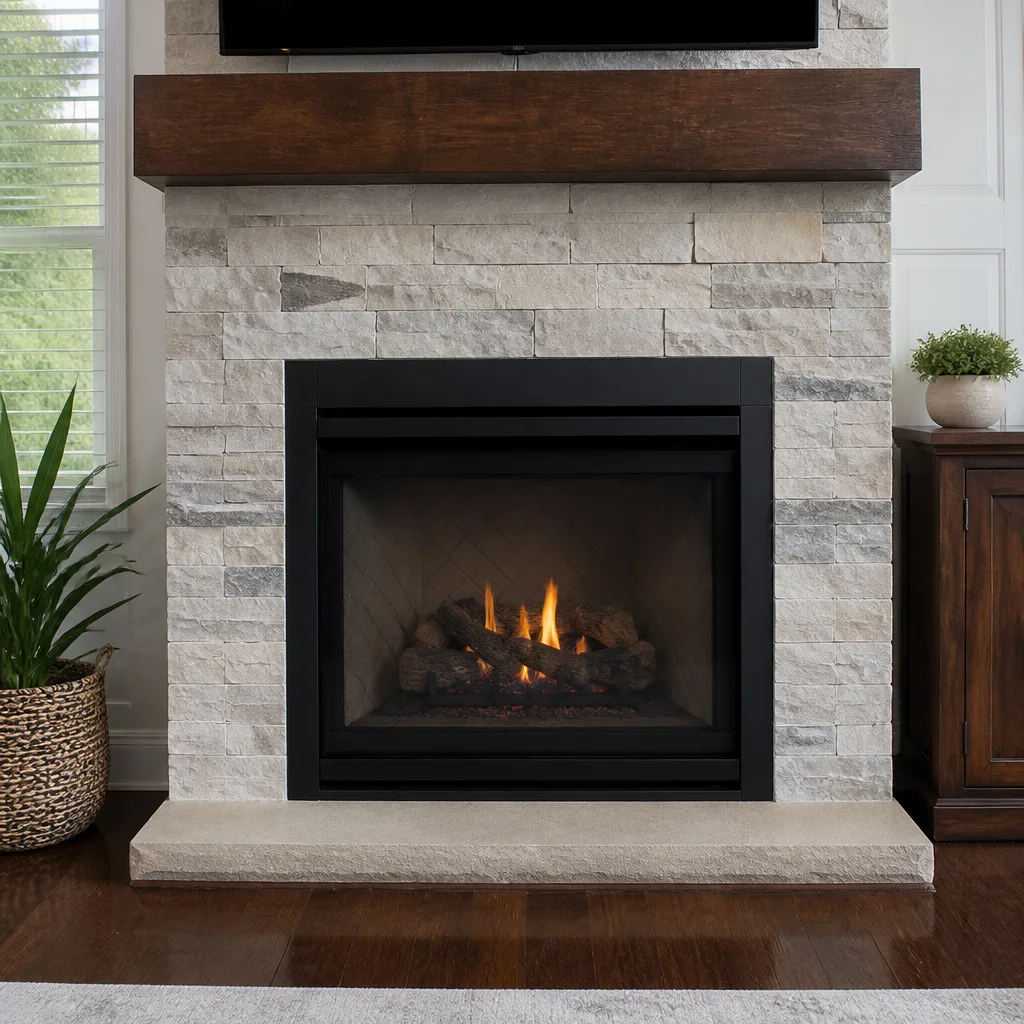 Gas fireplace service
Level 1 sweep and inspection to the NFPA 211 annual standard - flue, crown, cap, and flashing checked and photographed
Chimney sweep logs do not sweep chimneys. They loosen some creosote - which then falls where a brush and vacuum still have to collect it.
The Complete Guide to Chimney Cleaning in Murrieta
Murrieta averages fewer than 30 fireplace-burning days a year, yet creosote accumulation rates in Inland Valley flues routinely surprise even experienced sweeps. The reason is counterintuitive: intermittent, low-heat burns in mild climates produce a different, stickier creosote profile than nightly cold-climate fires ever do. This guide explains why Murrieta chimneys need a different maintenance approach than what generic national advice suggests, what a thorough cleaning actually involves, what it should cost, and how to know when a sweep is doing real work versus going through the motions. For more guides & resources on keeping your chimney safe, see our blog. If you’ve ever wondered whether your chimney can safely go another season, the answer is probably more nuanced than you think.
Quick Answer
Chimney cleaning in Murrieta typically costs $180 to $340 for a standard sweep with a Level 1 inspection, and most homes need it every one to two years depending on burn frequency and wood type. The real variable isn’t price – it’s whether the sweep does a full diagnostic pass, including flue liner assessment and cap inspection, or just runs a brush up the pipe. Our How to Hire a Chimney Cleaning Contractor in Murrieta: A Step-by-Step Guide shows you exactly what to look for. A proper cleaning removes creosote, identifies developing problems, and gives you a written report you can actually act on.
Styles & brands we work with
Table of Contents
- Why Murrieta’s Climate Creates a Different Creosote Problem
- What a Full-Service Sweep Does vs. a Truck-and-Brush Visit
- Level 1, Level 2, and Level 3 Inspections: Which One Applies to You
- What Degrades Fastest in the Inland Empire’s Heat Cycling
- How to Read a Sweep’s Written Report
- How Often Should You Actually Sweep a Murrieta Chimney?
- What You Can Safely Do Yourself vs. What Needs a Pro
Why Murrieta’s Climate Creates a Different Creosote Problem
Here’s the thing most chimney guides won’t tell you: the frequency of your fires matters less than how you burn. Murrieta homeowners tend to fire up the fireplace on chilly December evenings, let it run for three or four hours, then let it go cold for a week or two. That stop-start pattern is exactly what produces stage-two creosote: a flaky, tar-like glaze that sticks to flue walls instead of burning off as light soot.
Creosote forms in three stages:
- Stage One: A fine, dusty soot that brushes away easily. Common in chimneys that see hot, consistent burns.
- Stage Two: Flaky, shiny black flakes that adhere to the flue. This is what we most often find in Murrieta flues because low-heat fires don’t get hot enough to vaporize combustion byproducts.
- Stage Three: A hardened, tar-like glaze that resists brushing and often requires chemical treatment or mechanical removal. It forms when stage two creosote bakes on over repeated cycles.
The Temecula Valley’s Santa Ana events compound the problem. Wind-driven air pressure changes can push smoke and particulate deeper into a flue that’s already carrying a load of stage-two creosote, accelerating buildup in the upper third of the chimney where it’s least visible from the firebox. That’s also where most chimney fires start.
Oak, which is the most common firewood in Riverside County, burns hot but produces dense smoke when not fully seasoned. If you’re burning oak that’s only been split and stacked for six months rather than twelve to eighteen, you’re feeding that creosote layer every time you light a fire. We’ve swept Murrieta chimneys that looked clean at the firebox but carried a quarter-inch of glaze in the top five feet of flue. That’s the difference between a visual check and an actual inspection.
What a Full-Service Sweep Does vs. a Truck-and-Brush Visit
Not all chimney cleanings are the same job. A flat-rate “truck and brush” operation runs a round wire brush up the flue, vacuums the firebox, and hands you a receipt. That removes loose soot. It does not assess liner condition, check the cap and crown, inspect the smoke shelf, or document what the sweep found. On a stucco-exterior home, which describes a large share of the housing stock across Murrieta and the wider Temecula Valley, exterior chimney components take more weather abuse than most homeowners realize, and skipping those visual checks means missing cracks that let water into the chase.
A full-service cleaning by comparison includes:
- Drop cloths and vacuum protection around the hearth and work area before any equipment comes inside.
- Mechanical brushing sized to the actual flue dimensions, not a one-size-fits-all head.
- Firebox and smoke shelf cleaning, including the area above the damper where debris collects.
- Visual inspection of the liner from top and bottom, looking for cracks, gaps, or unusual wear.
- Cap and crown inspection, checking for rust, missing screens, and mortar deterioration.
- Written findings that note what was cleaned, what was found, and what (if anything) needs follow-up.
The difference matters because a chimney problem rarely announces itself. A hairline crack in a clay tile liner or a corroded rain cap won’t stop a fire from drawing, but it changes how safely that chimney operates. Mayflower Chimney Sweep pairs the sweep with a diagnostic pass every time, and when we find something that needs repair, we can address it ourselves rather than handing you a referral slip. That’s the gap between cleaning and actually resolving the problem. You can read more about our approach on the Chimney Sweep in Murrieta page.
Level 1, Level 2, and Level 3 Inspections: Which One Applies to You
The National Fire Protection Association’s NFPA 211 standard defines three inspection levels, and understanding the difference saves you from paying for either too little or too much. Most Murrieta homes need a Level 1 every time they’re swept, with a Level 2 triggered by specific events.
- Level 1: A visual check of the readily accessible portions of the chimney interior and exterior. This is what’s included with a standard sweep and is appropriate when nothing about the system has changed since the last inspection.
- Level 2: A more thorough examination, typically including video scanning of the flue interior. This is required when you’ve had a chimney fire, a change in fuel type, a structural event like an earthquake, or when buying or selling a home. Murrieta sits in an active seismic zone, and a Level 2 after a significant shake is a reasonable precaution if you use the fireplace regularly.
- Level 3: An invasive inspection that may involve removing portions of the chimney or surrounding structure to access concealed areas. This is only called for when a Level 1 or Level 2 has revealed a serious hazard.
After major wind events or nearby wildfire smoke intrusion, we typically recommend a Level 2 look if your chimney cap is damaged or you notice smoke odor inside the house even when the fireplace hasn’t been used recently. Smoke and fine ash can deposit inside the flue and around the damper, and that residue is abrasive and corrosive if left in place. The inspection tells you whether it’s a cleaning issue or something structural. For homes that just had a sweep done and nothing has changed since, a Level 1 at your next scheduled cleaning is sufficient.
What Degrades Fastest in the Inland Empire’s Heat Cycling
Chimney components don’t fail evenly. In Murrieta’s climate, with summer temperatures routinely above 95 degrees and overnight winter lows that can dip near freezing, certain materials degrade faster than they would in a more moderate coastal climate. Knowing which parts to watch helps you understand what a good sweep is looking for.
Crown mortar. The concrete crown at the top of the chimney expands and contracts with every temperature swing. Over years of Inland Empire heat cycling, hairline cracks form, widen, and allow water to seep into the chimney structure. Once water enters the chase, it deteriorates mortar joints from the inside. A cracked crown is one of the most common repairs we make on Murrieta homes.
Chimney caps. Galvanized steel caps rust out faster in areas with hard water and high UV exposure. A rusted cap with missing mesh lets rain, birds, and embers through. Mesh that’s intact but clogged with creosote restricts draft and increases smoke rollout into the living space.
Clay tile liners. Older Murrieta homes built in the 1980s and 1990s often have terra cotta flue liners. These tiles crack under repeated thermal shock, and once a crack opens, creosote and combustion gases can reach the surrounding masonry. When we find a failed clay liner, we discuss replacement options using materials like DuraFlex stainless steel or HeatShield resurfacing systems, both of which we stock and install directly. These are the same products used by certified chimney professionals across the country, and homeowners can research them independently before committing to a scope of work.
Mortar joints in the smoke chamber. The area just above the damper is a turbulence zone where hot gases swirl and deposit particulate. The mortar there absorbs years of heat stress and oxidation, which is why smoke chambers need parging or repair more often than most homeowners expect.
How to Read a Sweep’s Written Report
If a chimney sweep doesn’t give you a written report, the job wasn’t complete. NFPA 211 expects a sweep to document what was cleaned and what was observed, and a good report gives you a paper trail for future comparisons. But reports vary wildly in quality, so here’s what a useful one actually contains.
- Flue dimensions and liner material. If the sweep doesn’t note what size flue you have and what it’s made of, they didn’t measure it. Both details matter for future repairs and for ensuring the right brush was used.
- Creosote stage and thickness found. Not “some buildup” – a stage designation (1, 2, or 3) and approximate thickness in the worst sections. This tells you whether it’s normal for your burn pattern or a developing hazard.
- Cap and crown condition. Notes on rust, mesh integrity, and any visible crown cracks. Photographs are a bonus and increasingly standard.
- Damper operation. Confirmation that the damper opens and closes properly and seats correctly. A warped damper affects draft and costs more to heat your home.
- Recommendations with priority. Distinguish between “needs attention soon” and “can wait.” A reputable sweep will tell you plainly if a repair can safely wait a season.
We take the report further: any issue we flag gets a plain-language explanation before we touch anything further. If we recommend a liner replacement, you’ll see the camera footage or photos that support the recommendation. Nothing gets quoted without evidence you can review yourself, because homeowners in Murrieta have been burned by upsell pressure before, and the only counter to that is transparency. You can compare what a full diagnostic looks like against our Chimney Repair in Murrieta scope of work.
How Often Should You Actually Sweep a Murrieta Chimney?
The standard answer from the Chimney Safety Institute of America is “at least once per year,” but that assumes regular fireplace use. Murrieta’s burn profile changes the math, which is why our Seasonal Chimney Cleaning Care for Murrieta: Year-Round Homeowner’s Guide takes a different approach to scheduling. A household that lights 15 to 20 fires per season with well-seasoned wood can often go two years between sweepings, provided the creosote stays at stage one. A household that burns wet oak and only fires the fireplace twice a month in December and January may need annual cleaning precisely because those few fires produce stickier deposits.
Things that shorten the interval:
- Unseasoned or green wood: Doubles creosote accumulation compared to properly dried fuel.
- Smoky fires or sluggish draft: A sign that creosote is already restricting the flue or that the cap mesh is clogged.
- Visible black flakes falling into the firebox: Stage two creosote sloughing off the flue walls.
- An odor inside the house: Creosote is hygroscopic and smells stronger in humid weather, which means buildup is present.
- Any chimney fire event, even a small one: You need a Level 2 inspection before burning again.
Gas fireplaces change the calculation completely. They don’t produce creosote, but they do produce acidic condensation that corrodes metal components over time, and their vents can become blocked by nests or debris. A gas fireplace should still be inspected periodically, just with different priorities than a wood burner.
What You Can Safely Do Yourself vs. What Needs a Pro
There’s a narrow band of chimney maintenance that a careful homeowner can handle, and a much wider band that genuinely requires training and equipment. Our DIY vs Professional Chimney Cleaning: The Murrieta Homeowner’s Decision Guide explains where that line sits so you can avoid overpaying for trivial work or attempting something dangerous.
Reasonable homeowner tasks:
- Visual inspection of the firebox and damper between sweeps.
- Keeping the hearth area clear of combustible clutter.
- Watching for water stains on the ceiling near the chimney chase after heavy rain.
- Checking that the chimney cap is still in place after high wind events.
- Monitoring how the chimney draws and noting any changes.
Leave to a professional:
- Creosote removal at any stage beyond light soot. Chimney brushes are sized to the flue, and using the wrong size either fails to clean or damages the liner.
- Any work on a roof. Murrieta homes on raised foundations with steep pitches make rooftop chimney access hazardous without proper fall protection and equipment.
- Liner inspection and repair. The flue interior is not visible from the firebox, and a video scan requires equipment most homeowners don’t own.
- Crown and cap repair. Mortar work and cap replacement from a ladder or rooftop are not DIY territory.
The safety stake here is real: a blocked or damaged flue doesn’t just create a draft problem. It creates a carbon monoxide risk that you cannot detect by smell. For any chimney work that involves heights, liner access, or masonry repair, a trained professional with liability coverage is the only sensible call.
Common Mistakes to Avoid
In our experience across Murrieta and the wider Inland Valley, certain mistakes repeat themselves season after season. Here are the most frequent ones, with enough specificity to actually help you avoid them.
- Burning pine or construction scrap. Pine pops and throws sparks, and construction lumber is often pressure-treated or painted, releasing chemicals into the flue. Stick with seasoned hardwood, preferably oak from a Riverside County supplier who can tell you when it was split.
- Assuming a clean-looking firebox equals a clean flue. The firebox tells you almost nothing about what’s happening in the upper third of the flue, where creosote concentrates. We’ve swept Murrieta chimneys where the firebox looked spotless and the top five feet carried stage-two glaze.
- Closing the damper too soon after a fire. Wait until the fire is fully out and the embers are cold. Closing it early traps combustion gases and moisture against the damper and smoke shelf.
- Skipping the cap. An uncapped or damaged cap lets rain into the flue where it combines with creosote to create a corrosive slurry that eats mortar joints from the inside. This is a leading cause of early liner failure in Temecula Valley homes.
- Letting a “too cheap” sweep quote drive the decision. A $79 chimney sweep is typically a loss-leader designed to find expensive problems. A proper full-service sweep with a written report costs real money and prevents expensive problems.
- Ignoring dryer vents. The same homes that burn wood often run dryers several times a week, and a clogged dryer vent is a fire hazard on par with a dirty chimney. If you’re scheduling a chimney sweep, consider a Dryer Vent Cleaning in Murrieta at the same time.
- Deferring crown repair until the cracks are visible from the ground. By the time a crown crack is obvious from the yard, water intrusion has likely been underway for years. A rooftop inspection during your sweep is the only way to catch it early.
See the difference
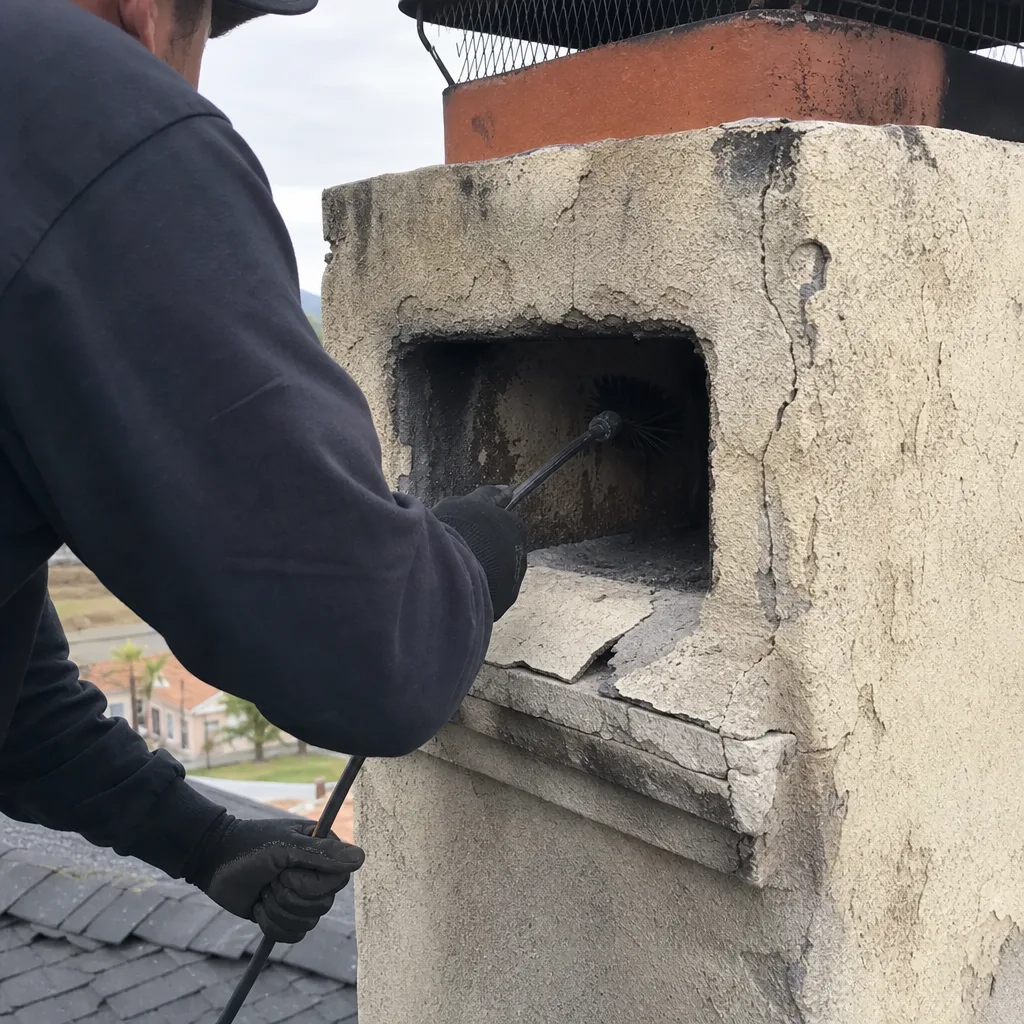 Before
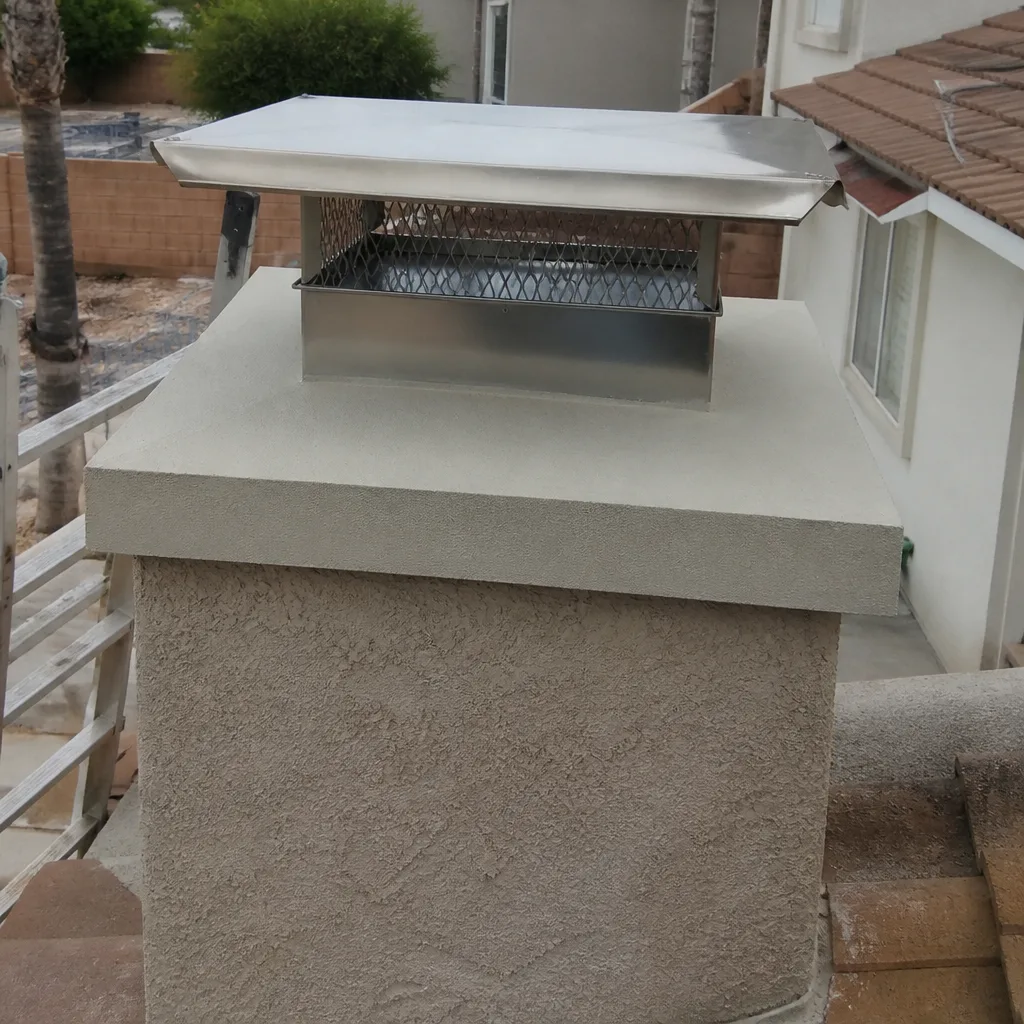 After
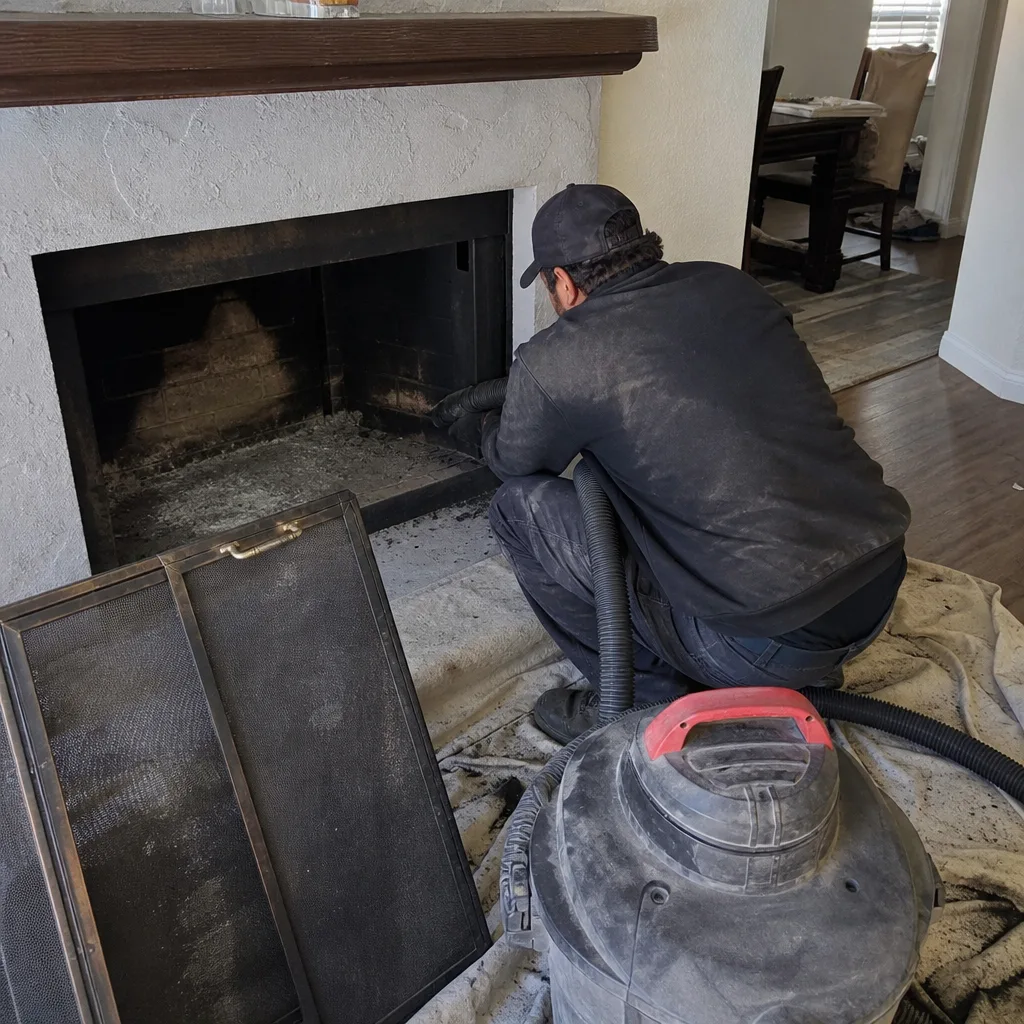 Before
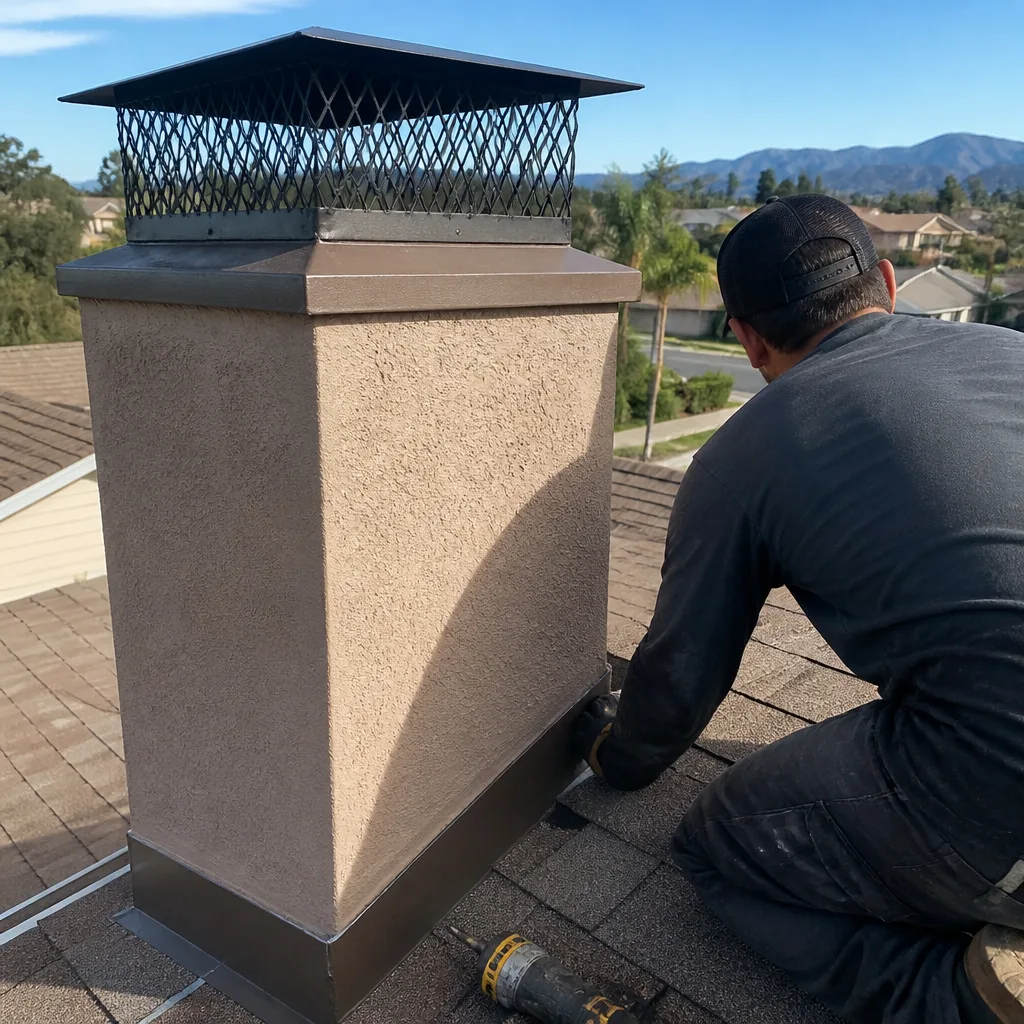 After
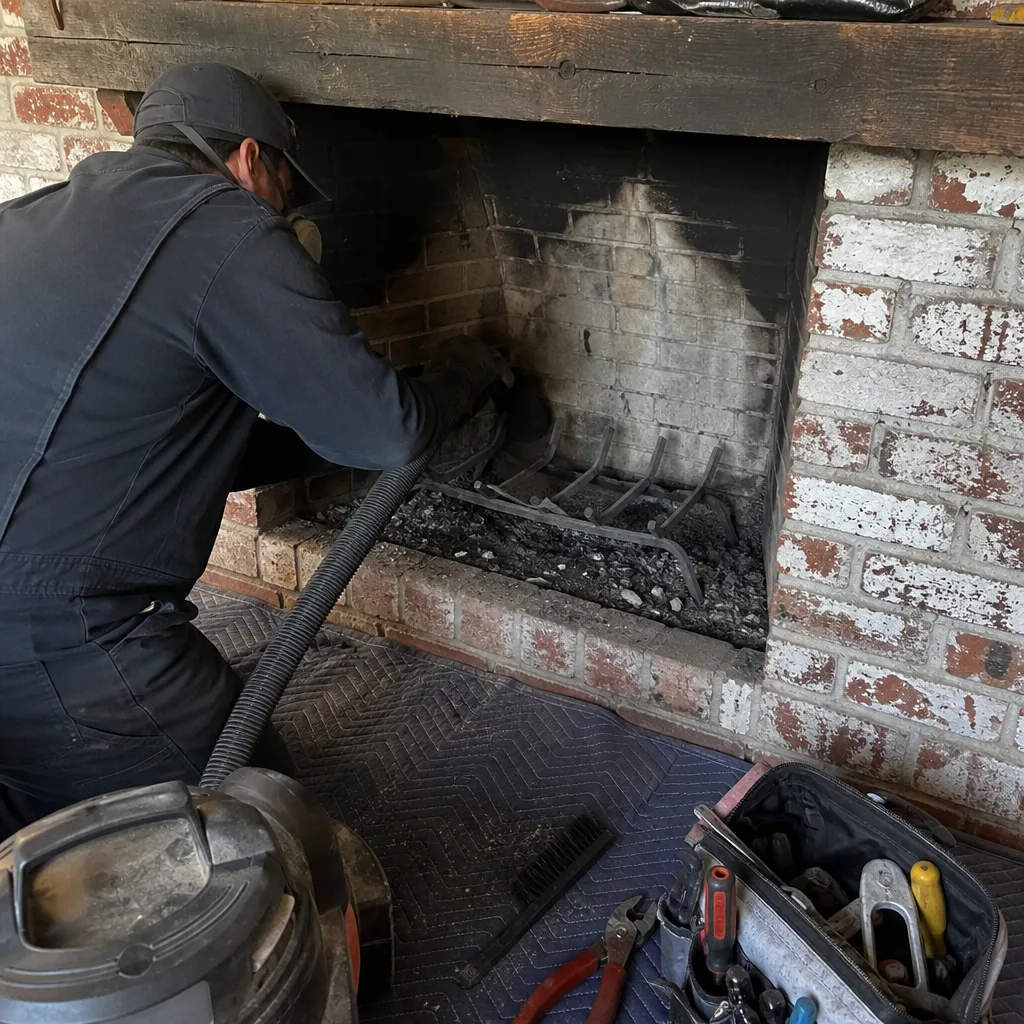 Before
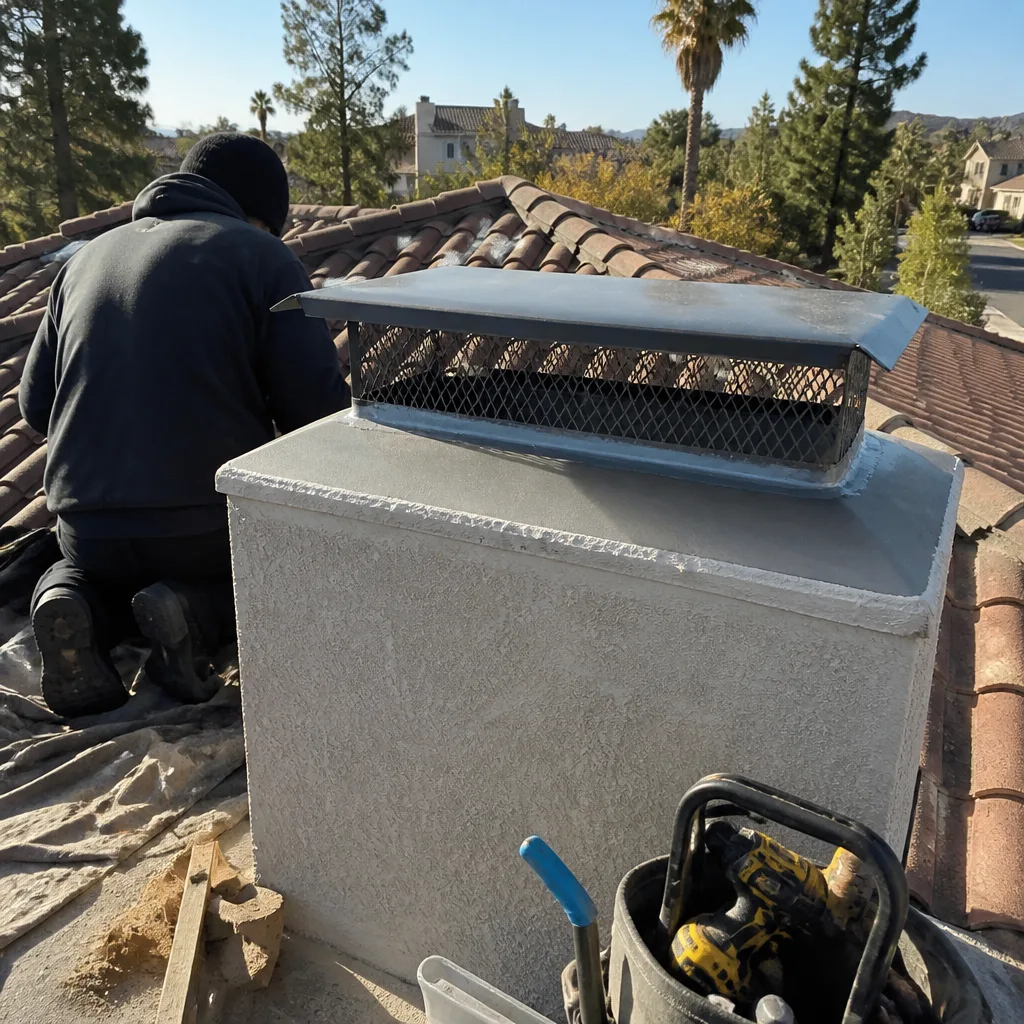 After
When to Call a Professional
Call a chimney professional if you’ve had a chimney fire, even a small one, if you notice smoke entering the room during use, if you see black flakes falling into the firebox, or if you detect a persistent odor from the fireplace during humid weather. If you’ve bought a home in Murrieta and have no record of when the chimney was last inspected, that’s another trigger. If your chimney cap is missing after a wind event, or if you see water staining on the ceiling near the chase, don’t wait – water damage compounds quickly. Mayflower Chimney Sweep offers free estimates in Murrieta – call (877) 819-0285 and we’ll tell you what we find in plain language before we recommend anything.
Frequently Asked Questions
A standard chimney sweep in Murrieta runs between $180 and $340 depending on flue size, accessibility, and the level of inspection included. A Level 1 inspection is bundled with most sweeps at that price, while a Level 2 video scan adds $100 to $200 or more when it’s warranted. The cheapest quote is rarely the honest one; ask what the price includes and whether you’ll get a written report. Call (877) 819-0285 for an exact quote – estimates are free.
You only need a new liner if the existing one is cracked, separated, or undersized for the appliance it serves, and a reputable sweep will show you photographic or video evidence of the failure before quoting any replacement. In Murrieta homes with original clay tile liners from the 1980s and 1990s, thermal cracking is common and real, but it’s also verifiable. Mayflower Chimney Sweep stocks and installs DuraFlex stainless steel and HeatShield resurfacing systems, and we encourage homeowners to research both before making a decision. If a sweep won’t show you the damage, get a second opinion.
Every one to two years for wood-burning fireplaces, depending on how many fires you burn and how well-seasoned your wood is. Homes that burn 20 or more fires per season with properly dried oak can often go two years; homes that burn wet wood or notice smoky fires should schedule annually. Gas fireplaces don’t produce creosote but benefit from periodic inspection for blocked vents or corroded components. Call (877) 819-0285 for a recommendation based on your setup.
Creosote continues to accumulate, and stage two creosote in the upper flue can ignite at around 2,000 degrees Fahrenheit. A chimney fire damages the liner, risks structural fire spreading to the home, and even a contained fire means a required Level 2 inspection and often a liner replacement. Smaller consequences include reduced draft, smoke rollout into the living room, and persistent odor. The downside of skipping a cleaning is never “nothing.”
A sweep removes creosote and debris from the flue and firebox. An inspection is a visual or video assessment of the chimney system’s condition, and a Level 1 inspection is included with a proper sweep. A Level 2 inspection, which uses a video scan to examine the flue interior, is a separate diagnostic step typically triggered by a chimney fire, a home sale, or a suspicion of liner damage.
Santa Ana wind events can force air down the chimney and create positive pressure inside the flue, pushing smoke and combustion gases into the living space. They can also deposit dust and fine debris onto the smoke shelf and around the damper. After a strong wind event, check that your cap is still intact and be alert for unusual smoke behavior during your next fire.
Yes. Dryer vent cleaning is one of Mayflower Chimney Sweep’s three core services, and a clogged dryer vent is a fire hazard that deserves the same attention as a dirty chimney. Many Murrieta homeowners schedule both services in a single visit to cover both high-risk exhaust systems in the home. You can learn more on our Dryer Vent Cleaning in Murrieta page.
The Bottom Line
Murrieta’s climate burns differently, and that changes how often you need a chimney cleaning, what kind of inspection makes sense, and which components deserve the most attention. A proper sweep is more than a brush through the flue: it’s a diagnostic pass that tells you what condition your liner, cap, crown, and damper are actually in. If the sweep doesn’t produce a written report with specific findings, you haven’t been swept properly. Mayflower Chimney Sweep brings full-service capability to every Murrieta job: sweep, repair, and reline under one roof, using materials like DuraFlex and HeatShield that you can verify independently. From the firebox to the cap, we do the whole job. Visit the Mayflower Chimney Sweep home page to see the full scope of what we cover.
Written by the team at Mayflower Chimney Sweep, serving Murrieta since 2013.