Last updated October 30, 2026
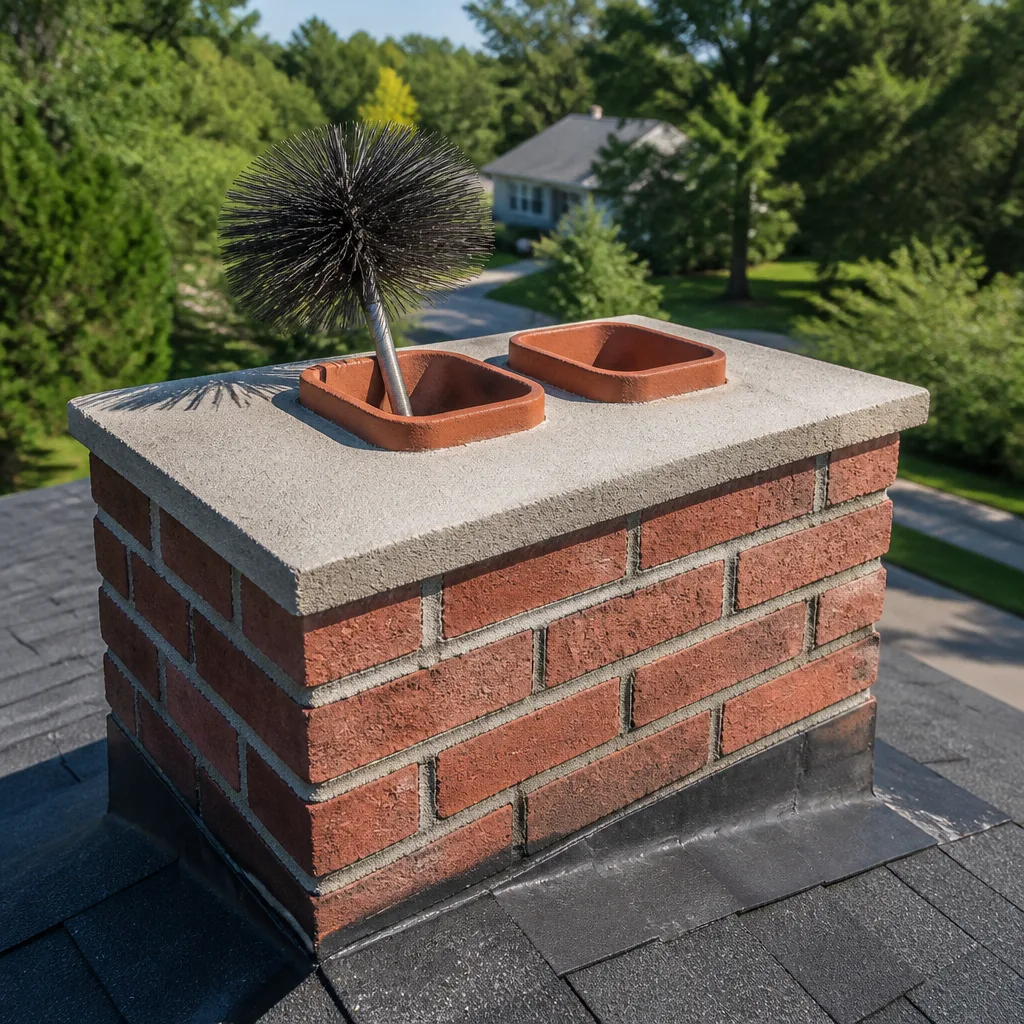 Sweep & inspection
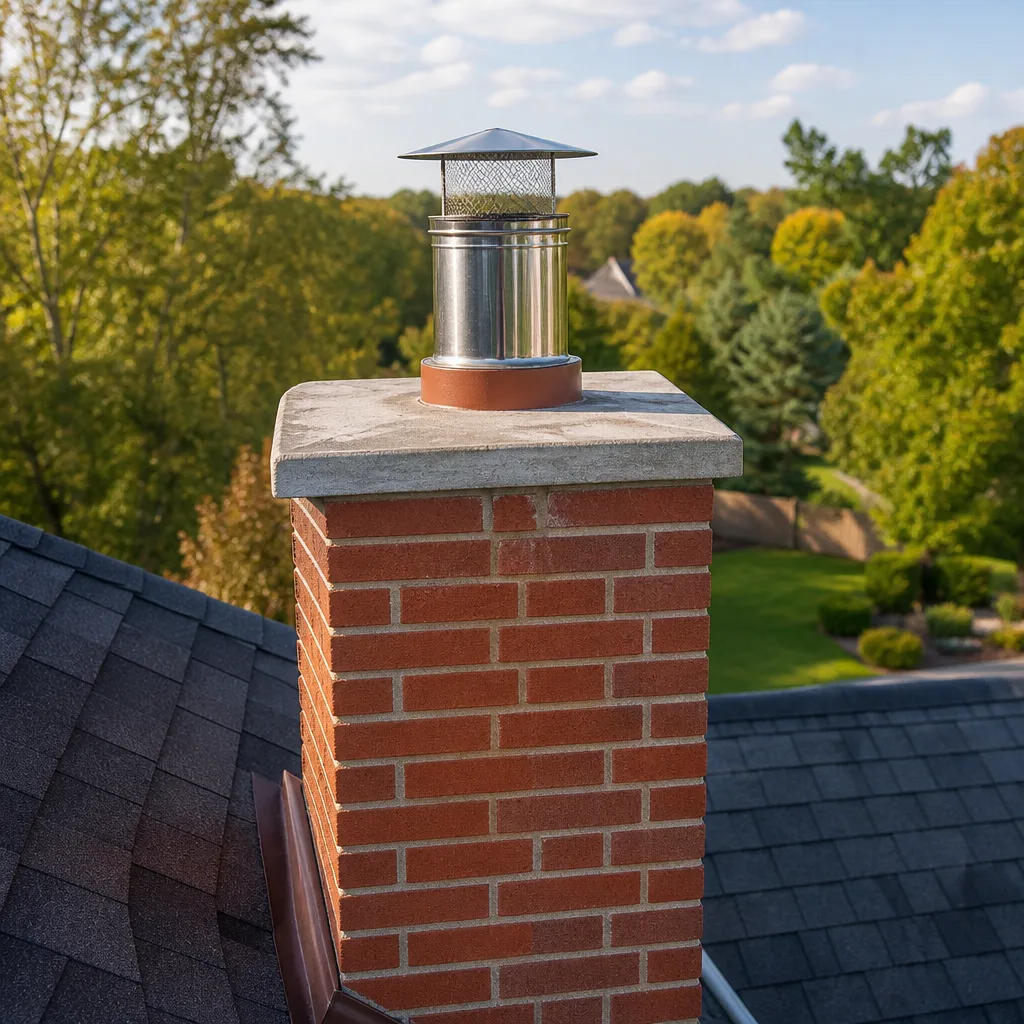
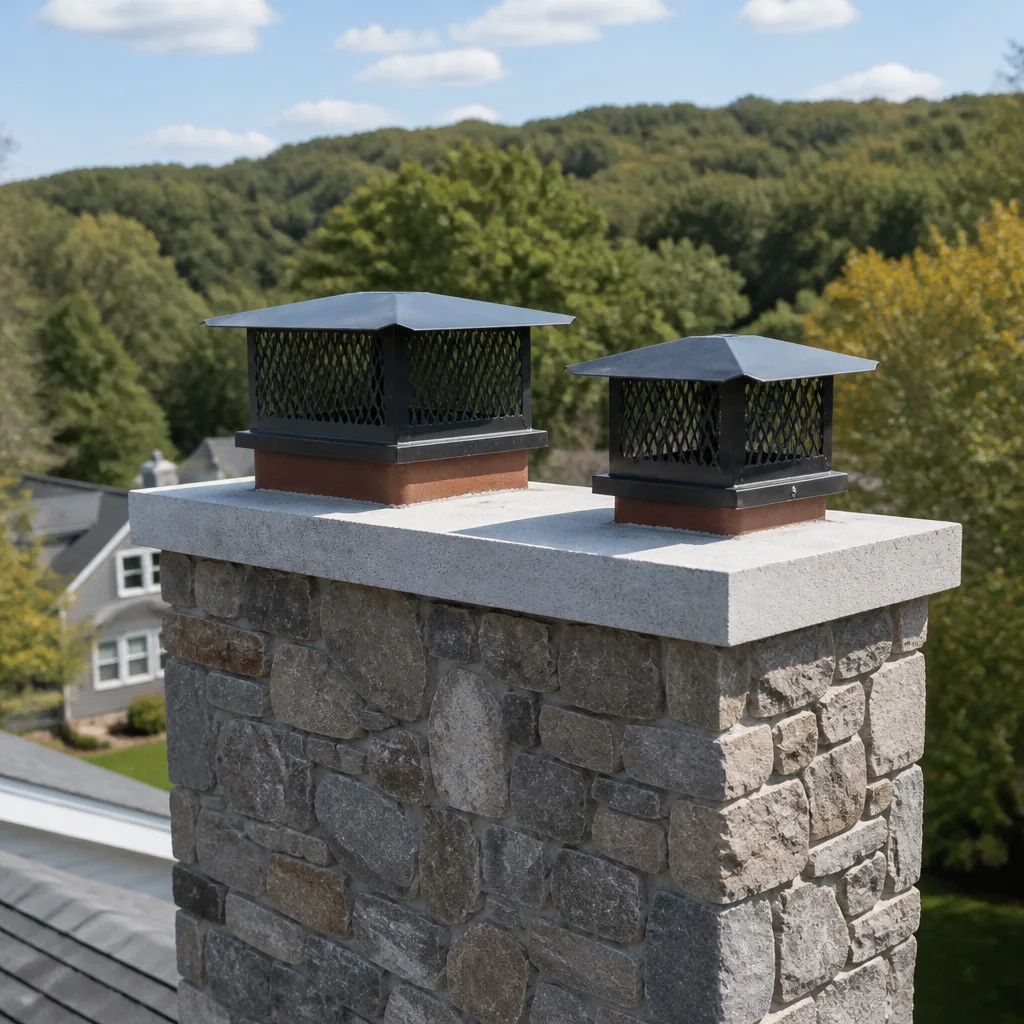 Caps & crowns
 Flue relining
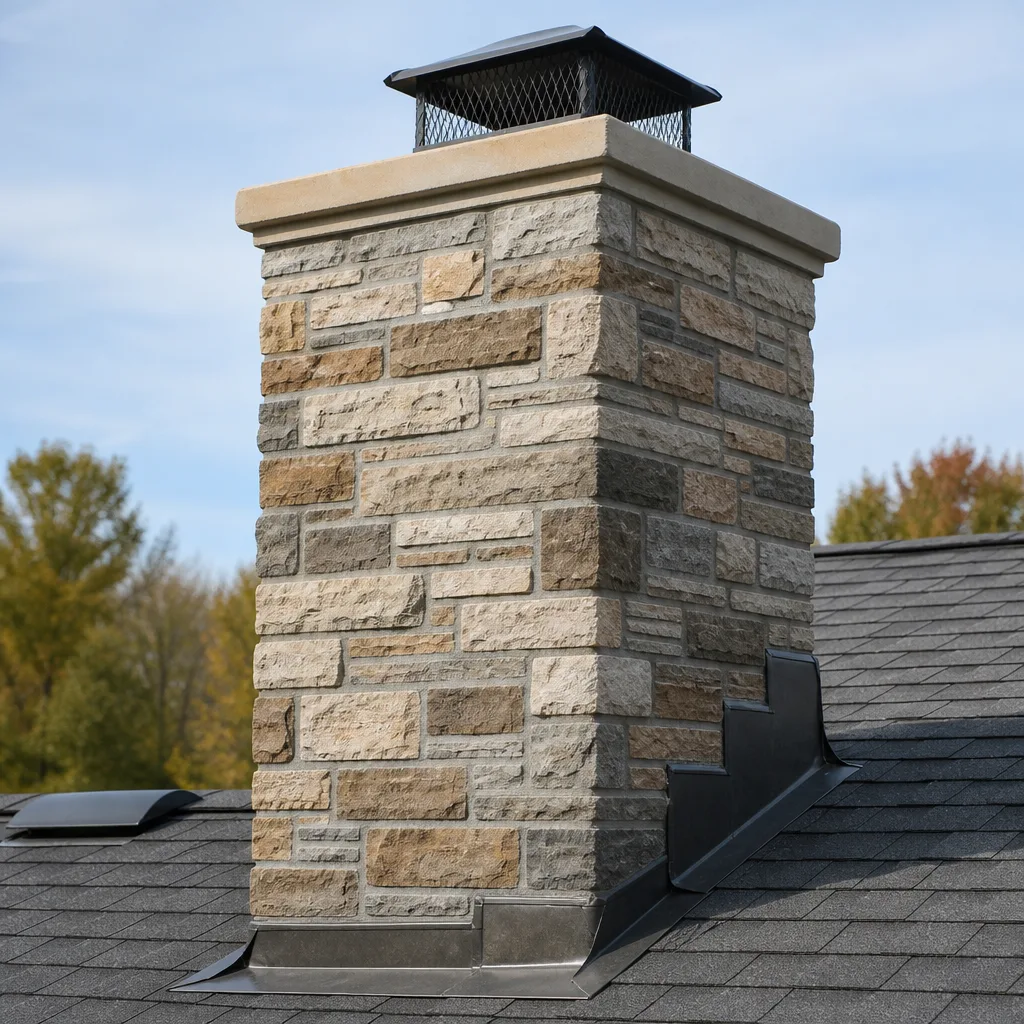 Masonry repair
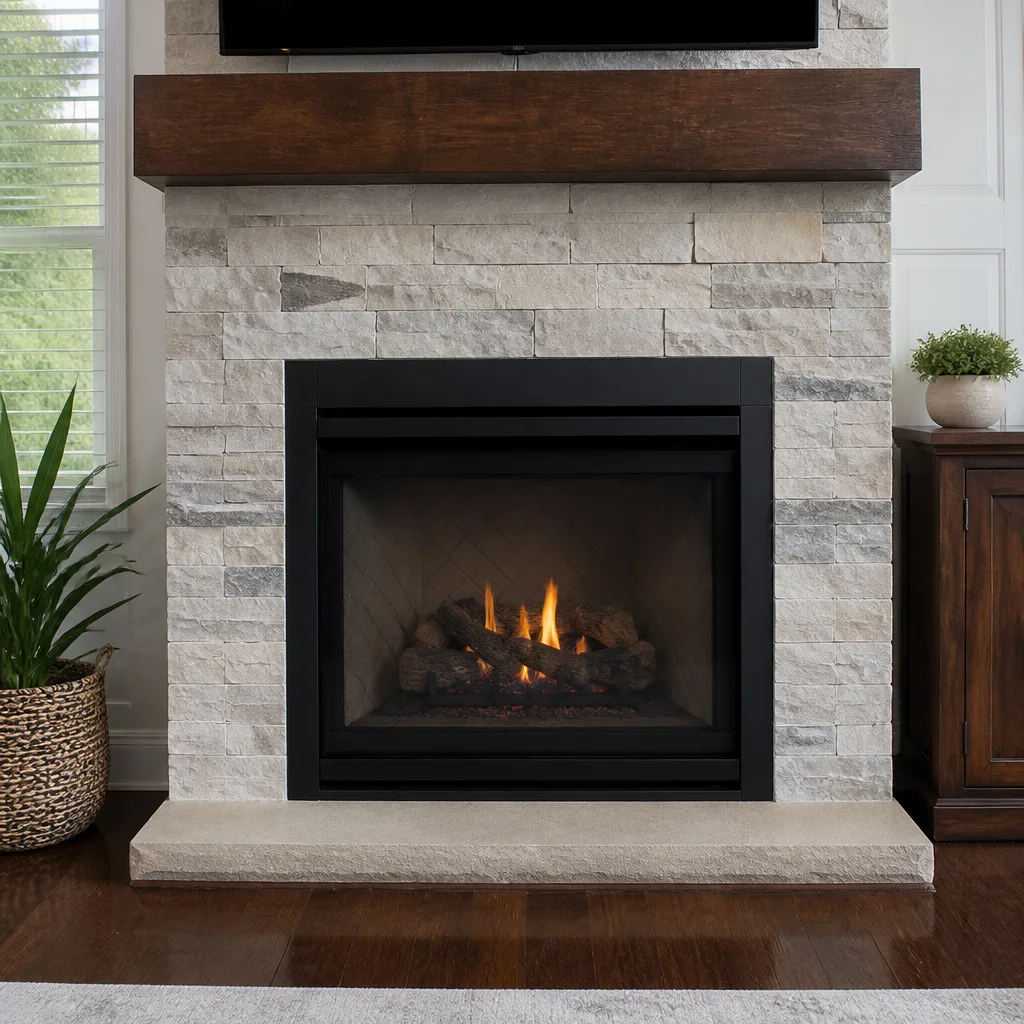 Gas fireplace service
Level 1 sweep and inspection to the NFPA 211 annual standard - flue, crown, cap, and flashing checked and photographed
Chimney sweep logs do not sweep chimneys. They loosen some creosote - which then falls where a brush and vacuum still have to collect it.
Seasonal Chimney Cleaning Care for Murrieta: Year-Round Homeowner’s Guide
In July, when a Murrieta chimney hasn’t been used in four months, the attic heat baking the liner and the UV exposure degrading the cap are doing more cumulative damage than three months of light burning ever did. Off-season isn’t downtime for a chimney. Most homeowners in Murrieta think chimney maintenance is a November job, but the reality is your flue system lives through four distinct stress periods every year, and three of them happen when you’re not burning a single log. This guide walks you through what actually happens to your chimney across Murrieta’s unique climate cycle, what to check each phase, and when a $250 sweeping beats a $3,000 repair.
Quick Answer
Seasonal chimney care in Murrieta means following a four-phase schedule: summer heat-stress monitoring (June through September), pre-season inspection and sweeping (October), active burning maintenance (November through February), and post-season assessment (March through May). The most important task is a professional inspection before the first fire of the season, because summer heat expansion and Santa Ana wind debris create problems that are invisible from the hearth but dangerous under fire conditions. Annual sweeping costs less than most homeowners expect—see our Chimney Cleaning Cost Breakdown: The Murrieta Homeowner’s Reference for 2026 for actual numbers—and it’s the single most effective way to prevent chimney fires and carbon monoxide exposure.
Styles & brands we work with
Table of Contents
- Why Murrieta’s Climate Punishes Chimneys Differently
- Phase One: Summer Heat Stress (June – September)
- Phase Two: Pre-Season Prep (October)
- Phase Three: Active Burn Season (November – February)
- Phase Four: Post-Season Assessment (March – May)
- How Wildfire Smoke Affects an Unused Flue
- Common Mistakes to Avoid
- When to Call a Professional
Why Murrieta’s Climate Punishes Chimneys Differently
Murrieta sits in a unique climate pocket. We’re inland enough to get real summer heat, close enough to the coast for marine-layer mornings, and directly in the path of Santa Ana wind corridors that funnel through the Temecula Valley. A chimney in Murrieta endures temperature swings of 40°F or more in a single day during June and July, with surface temperatures on the crown and cap hitting 140°F plus by mid-afternoon and dropping to 60°F by dawn.
That daily expansion and contraction cycle is brutal on masonry. Mortar joints flex microscopically with every swing. Over a single summer, that’s roughly 120 cycles of expansion and contraction. Over five summers, that’s 600 cycles. Each cycle works the mortar like a hinge being bent back and forth until hairline cracks form. Once a crack opens, moisture seeps in during the occasional monsoon-season shower or heavy morning dew, and the next afternoon’s heat turns that water into steam inside the joint, expanding it further. This is why so many Murrieta chimneys develop cracked crowns and spalling brick by year seven or eight, even when they’ve seen only moderate use.
Stainless steel liners face the same physics but a different outcome. A quality liner system, like the DuraFlex products we install, is engineered to flex with thermal cycling. But a liner that’s been improperly sized or installed can develop stress fractures at connection points. Those fractures are invisible from the firebox, and they become dangerous channels for heat and gases the moment a fire is lit.
Phase One: Summer Heat Stress (June – September)
Between June and September, the average Murrieta chimney is doing nothing but deteriorating quietly. Here’s what’s actually happening during those months, and what you can do about it without calling anyone.
What Heat Does to Each Component
- Crown and cap: The concrete or mortar crown absorbs direct sun for 10 – 12 hours daily. UV radiation breaks down the surface binder, leading to a chalky, crumbly top layer. Caps made of thin galvanized steel corrode faster under intense UV and heat, especially if they’re not stainless or copper.
- Mortar joints: Daily thermal cycling loosens the bond between brick and mortar. Once loose, vibration from nearby construction (common throughout Murrieta’s developing areas like the neighborhoods off Clinton Keith Road) accelerates the deterioration.
- Flue tile or liner: Clay tile liners can crack under uneven heating, particularly if the chimney chase lacks proper ventilation. Stainless liners from manufacturers like Olympia Chimney are designed for high thermal tolerance, but a liner that’s been patched or poorly connected will show stress at its weak points.
- Damper: The metal damper plate warps under repeated heat exposure, especially if it’s an older cast-iron model. A warped damper leaks conditioned air into the chimney during summer and defeats the purpose of having a damper in the first place.
Summer Checklist for Homeowners
- Look for visible crown cracks. You may need a ladder, but from the ground you can often spot hairline lines running across the top mortar surface. If you see plants sprouting from the chimney, that’s a sign of trapped moisture and a damaged crown.
- Check the cap from the yard. Is it still attached squarely? Santa Ana wind events can loosen cap screws even when you don’t notice the wind itself.
- Smell the firebox. On a hot, humid day, open the damper slightly and sniff. A strong creosote odor means the previous burn season left deposits that are now off-gassing in the heat. That’s a sign you’ll need a Chimney Sweep in Murrieta before fall.
- Watch for efflorescence. That white, powdery staining on exterior brick means water is moving through the masonry. It appears most often after the first summer heat waves break.
In our experience fixing Murrieta chimneys, summer is when homeowners call us with two very different reports. Some call because they noticed a cap dangling after a wind event. Others call because they saw water staining on the ceiling near the chimney chase after a rare summer thunderstorm. Both callers are catching real problems early, before they become fire-season failures.
Phase Two: Pre-Season Prep (October)
October is the month everything changes in Murrieta. Night temperatures finally dip into the 50s, and the first evening fires start appearing in fireplaces across neighborhoods from French Valley to Bear Creek. This is also when Santa Ana winds begin their seasonal pattern, and when wildfire smoke can linger over the valley for days at a time.
Here’s a step-by-step pre-season checklist that covers what a professional sweep will do and what you should confirm before burning.
- Schedule an inspection and sweeping. This is the single highest-value action. A Level 1 inspection includes a visual check of the firebox, damper, smoke chamber, and flue. For a typical Murrieta wood-burning fireplace that saw moderate use last season, annual sweeping is the standard recommendation from the National Fire Protection Association, and it applies to gas fireplaces too.
- Have the smoke chamber checked specifically. The smoke chamber is the angled area above the firebox where the flue narrows. This area collects creosote and debris faster than any other part of the system, and it’s frequently the source of chimney fires. A good sweep will inspect it with a camera and show you exactly what’s there.
- Clear the cap and crown of debris. After a summer of wind, leaves, bird activity, and sometimes the remnants of bee or wasp nests accumulate against the cap and crown. Blockages here restrict draft and can force smoke back into the room.
- Test the damper operation. A damper that won’t fully open is a smoke problem. One that won’t fully close is a heating bill problem during winter. Both are common after a hot summer.
- Verify clearances. Check that no combustible materials have migrated too close to the fireplace opening during summer. Furniture rearrangement, stored boxes, or seasonal decorations can all end up too close without anyone noticing.
We recommend booking October inspections early in the month. Once the first cold snap hits Murrieta, every chimney company in the valley is booked out two to three weeks, and the homeowner who waited is burning with a system that hasn’t been checked in a year. That’s the exact scenario we’d rather help you avoid.
Phase Three: Active Burn Season (November – February)
Murrieta’s burn season is shorter and lighter than in mountain communities, but that doesn’t mean it’s low-risk. In fact, light burning creates its own set of problems. A fireplace that burns one or two evenings a week never gets hot enough to burn off creosote deposits. The smoke cools quickly in the flue, and the creosote condenses on the walls in varying densities: flaky in the upper flue, sticky and tar-like in the middle, and hard and glassy near the firebox. That hard form, called stage-three creosote, is the most difficult to remove and the most likely to ignite.
What to Watch During Burn Season
- Smoke entering the room. This is never normal. It means the flue isn’t drawing, and the cause could be a blockage, a cold flue, or a pressure imbalance in the home. In Murrieta homes built to modern energy codes, negative pressure is a common culprit because the house is sealed tightly.
- A sudden change in burning sound. A chimney fire often sounds like a freight train or a heavy rainstorm. If you hear that, close the damper if you can safely do so, evacuate, and call 911.
- Unusual odors. A sour or sharp smell during or after burning can indicate creosote buildup or a bird or rodent that found its way into the flue.
- White staining or moisture on the firebox walls. This points to water intrusion, and it’s more visible during the wetter winter months.
Santa Ana Winds and Downdrafting
Santa Ana winds in Murrieta are strongest between October and April, and they create a specific chimney problem: pressure differentials. When a strong northeast wind hits the roof structure, it can create negative pressure at the chimney crown, pulling air down the flue and pushing smoke into the home, even when the damper is fully open. A properly sized cap with a well-designed spark arrestor screen can reduce downdrafting, but it won’t eliminate it in extreme wind conditions.
The other Santa Ana effect is debris loading. Wind-driven leaves, dust, and sometimes roofing granules get blown across the cap and settle into the flue, especially if the cap mesh is damaged or oversized. After a major wind event, it’s worth checking the firebox floor for new debris before you light a fire.
Phase Four: Post-Season Assessment (March – May)
By March, most Murrieta fireplaces are done for the season. This is the period when homeowners consistently delay the one task that prevents the biggest repair bills: a post-season smoke chamber inspection.
Here’s why the timing matters. During the burn season, creosote that accumulated during the winter is at its softest and easiest to remove. Wait until fall, and the summer heat bakes that creosote into a hardened glaze that requires more aggressive removal methods, which cost more and take longer. The same applies to any moisture that got into the masonry during winter storms. Left alone through a hot Murrieta summer, trapped water expands and contracts inside brick and mortar, widening hairline cracks into structural cracks.
What a Post-Season Assessment Covers
- Smoke chamber camera inspection. This is the one item homeowners consistently skip. The smoke chamber’s corbeled design creates dozens of ledges where creosote and debris collect. Camera documentation shows you exactly what’s there and whether a sweep is needed now or can wait.
- Crown and cap condition report. Winter wind and the first heat waves take their toll. A crack that started in January will be larger by May.
- Damper seal test. A warped damper in August means hot attic air flowing into your air-conditioned living space all summer. Sealing a damper is a small fix that pays for itself in one cooling season.
- Flue liner integrity check. For homes with stainless liners, the post-season is the time to check for stress fractures that heat expansion may have exposed. If a repair is needed, products like Gelco and Copperfield components let us match the existing system rather than starting from scratch.
Delaying this post-season work doesn’t make it disappear. It just moves the problem into October, when every chimney professional in Murrieta is already running a full schedule, and you’re burning on borrowed time.
How Wildfire Smoke Affects an Unused Flue
Murrieta sits downwind of wildfire zones in Riverside and San Bernardino counties, and wildfire smoke is now a recurring seasonal reality, not an occasional event. Even when a fire is 50 miles away, the smoke plume carries fine particulate that settles on roofs, fills gutters, and enters chimney flues through the cap mesh.
When a flue is unused, that particulate settles and bonds to residual creosote from the previous season. The resulting layer is fine, sticky, and surprisingly thick. By the time you light the first fire of the season, that layer has been sitting for months, and it ignites more easily than normal creosote because of its fine surface area.
After a heavy wildfire season, we recommend homeowners schedule a sweep even if they only burned a few times the previous winter. The cost is modest, and it removes the compounded creosote-smoke layer that a visual check from the firebox can’t see. If you’re unsure whether a sweep is warranted, a camera inspection—covered in our Chimney Cleaning Permits, Codes & Inspections in CA: What You Need to Know—gives you a definitive answer without any guesswork. That inspection-first approach is how we handle every call: we show you what we find, explain it in plain language, and let you decide.
Common Mistakes to Avoid
- Burning before inspecting. The most dangerous mistake we see. An inspection takes 30 minutes and costs a fraction of the damage a chimney fire causes. No fire is worth that risk.
- Assuming gas fireplaces don’t need service. Gas logs still produce soot, still rely on a functioning flue and damper, and still suffer from summer heat damage to the cap and crown. A gas fireplace can also produce carbon monoxide if the venting is compromised.
- Using water to “clean” creosote. Water and creosote don’t mix the way people think. Adding water to a creosote problem in a masonry chimney can soak into the brick and worsen the buildup, not remove it.
- Ignoring a damaged cap. A bent or missing cap is an open invitation for birds, rain, and wind-driven debris. Every season a damaged cap goes unrepaired is another season of preventable damage inside the flue.
- Postponing the post-season inspection. March through May is the easiest time to get on a sweep’s calendar in Murrieta. Waiting until October means a longer wait, a busier service schedule, and potentially burning a fireplace that should have been serviced first.
- Assuming a clean-looking firebox means a clean flue. The firebox is the one part of the system you can see. The flue, smoke chamber, and crown are where the problems hide, and they’re visible only from the roof or with a camera.
When to Call a Professional
Call a chimney professional if you see smoke entering the room during a fire, if you notice a strong creosote odor even when the fireplace isn’t in use, if you see visible cracks in the crown or mortar joints, if your damper won’t open or close fully, or if you’ve gone more than a year without an inspection. In Murrieta, the seasonal pattern means that waiting through summer without addressing these issues can turn a small repair into a larger one by fall, so catching problems early is the most cost-effective strategy. Mayflower Chimney Sweep offers free estimates in Murrieta, and we’re happy to walk you through what’s going on before any work is scheduled. Call (877) 819-0285 to book an inspection or ask questions about your system.
See the difference
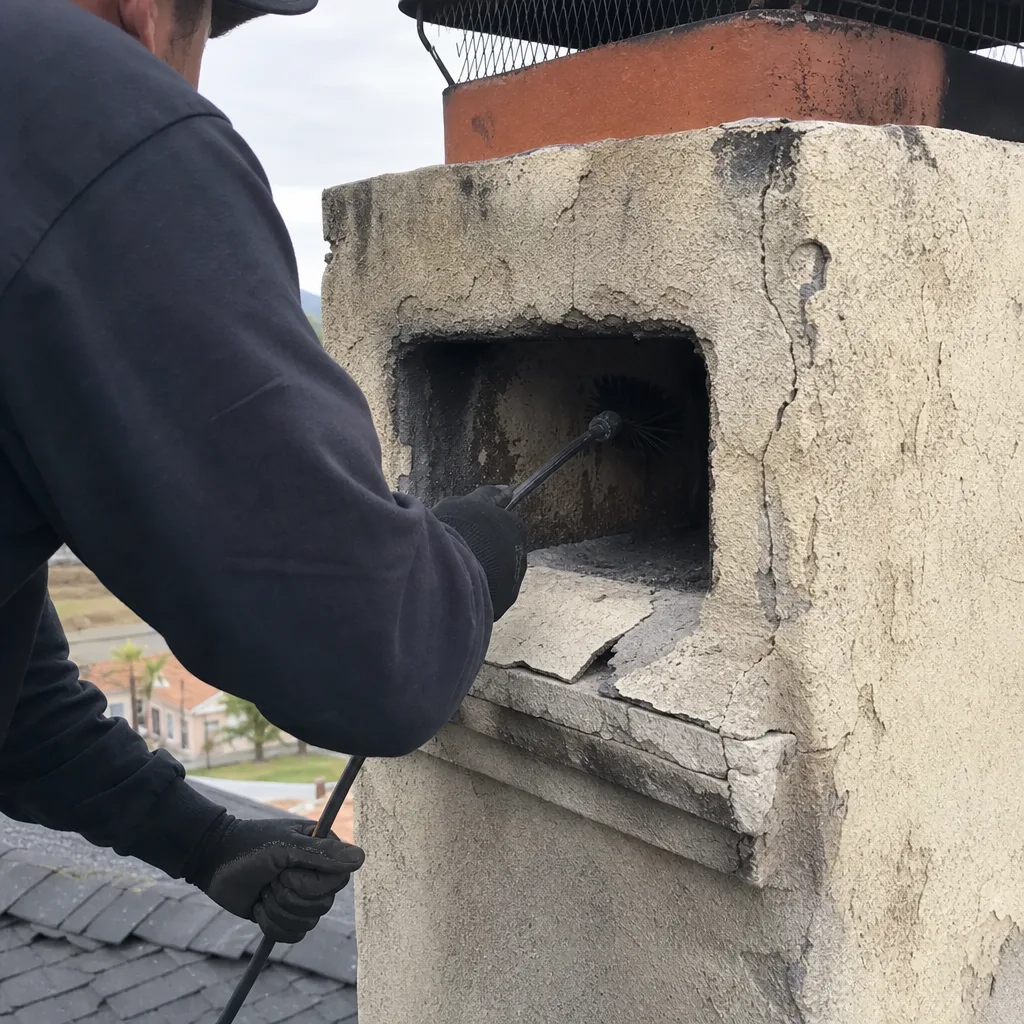 Before
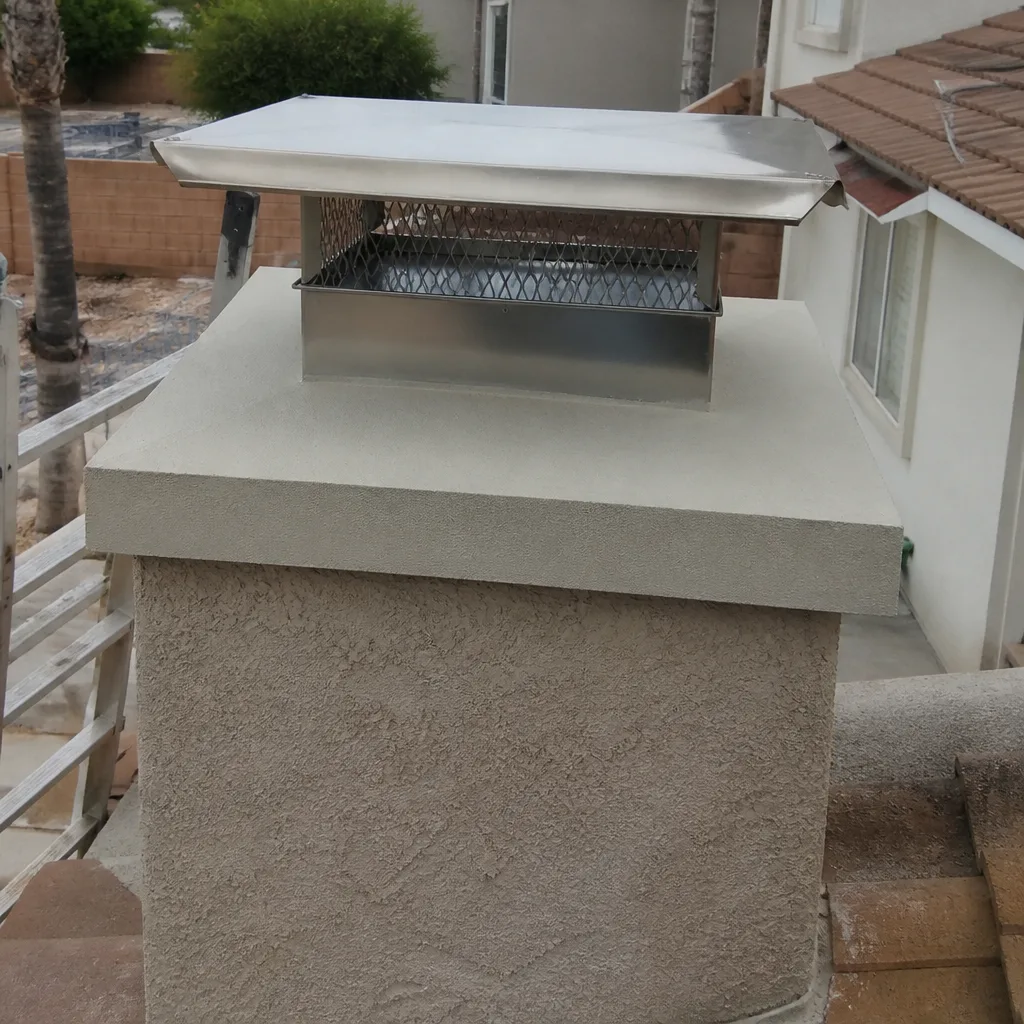 After
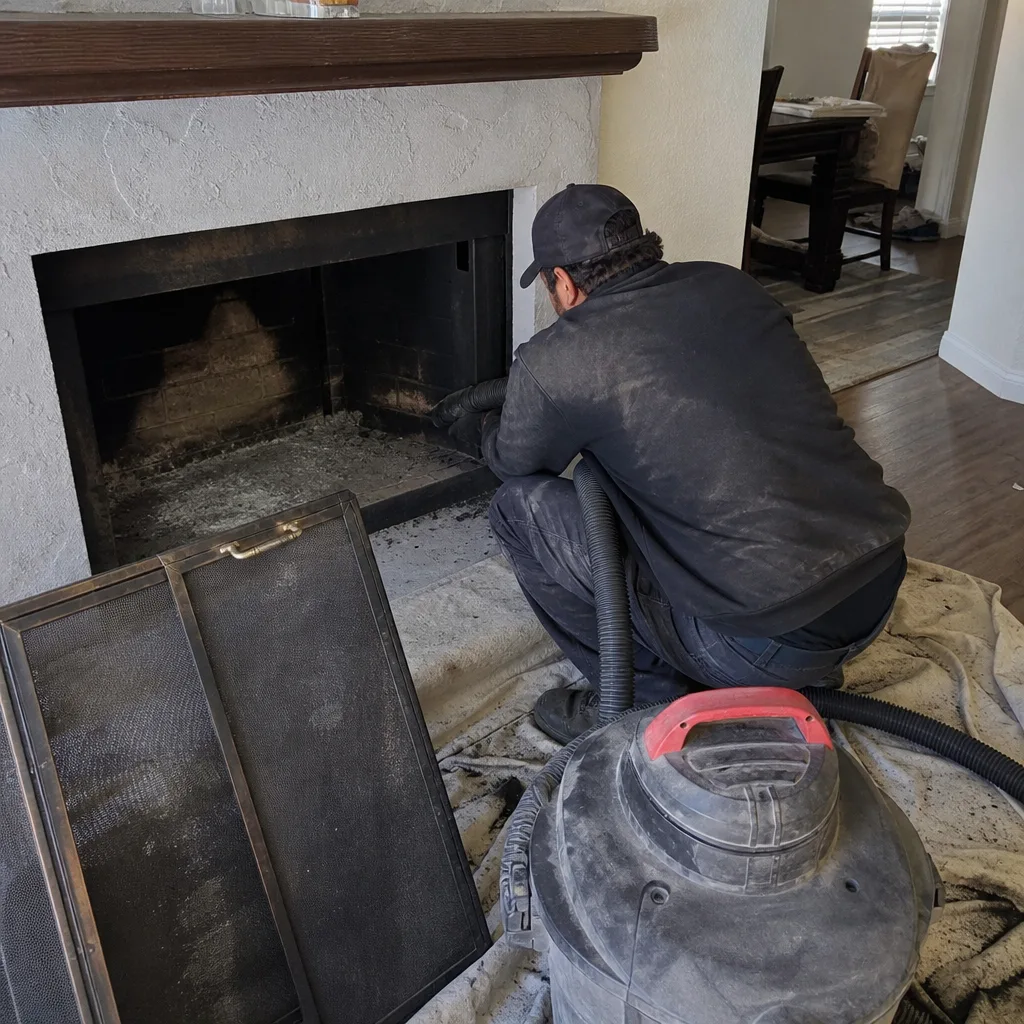 Before
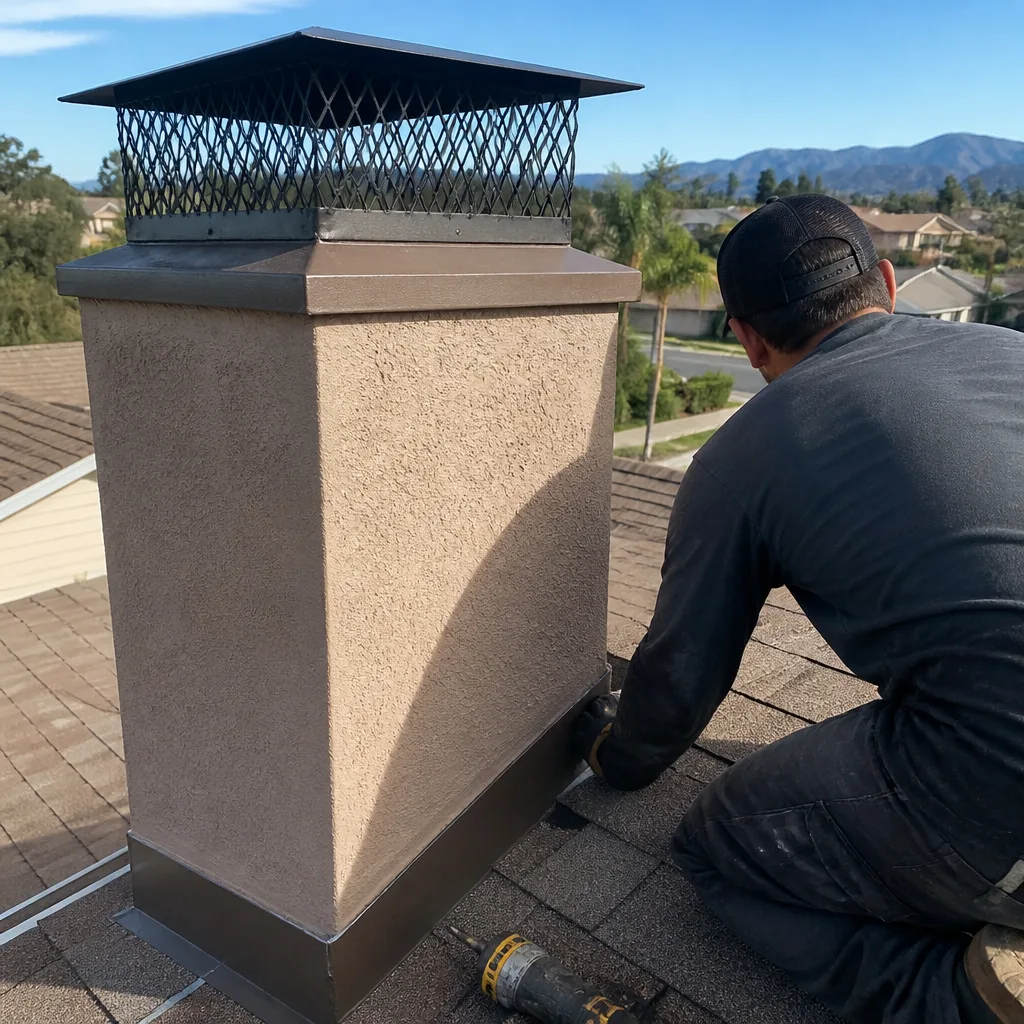 After
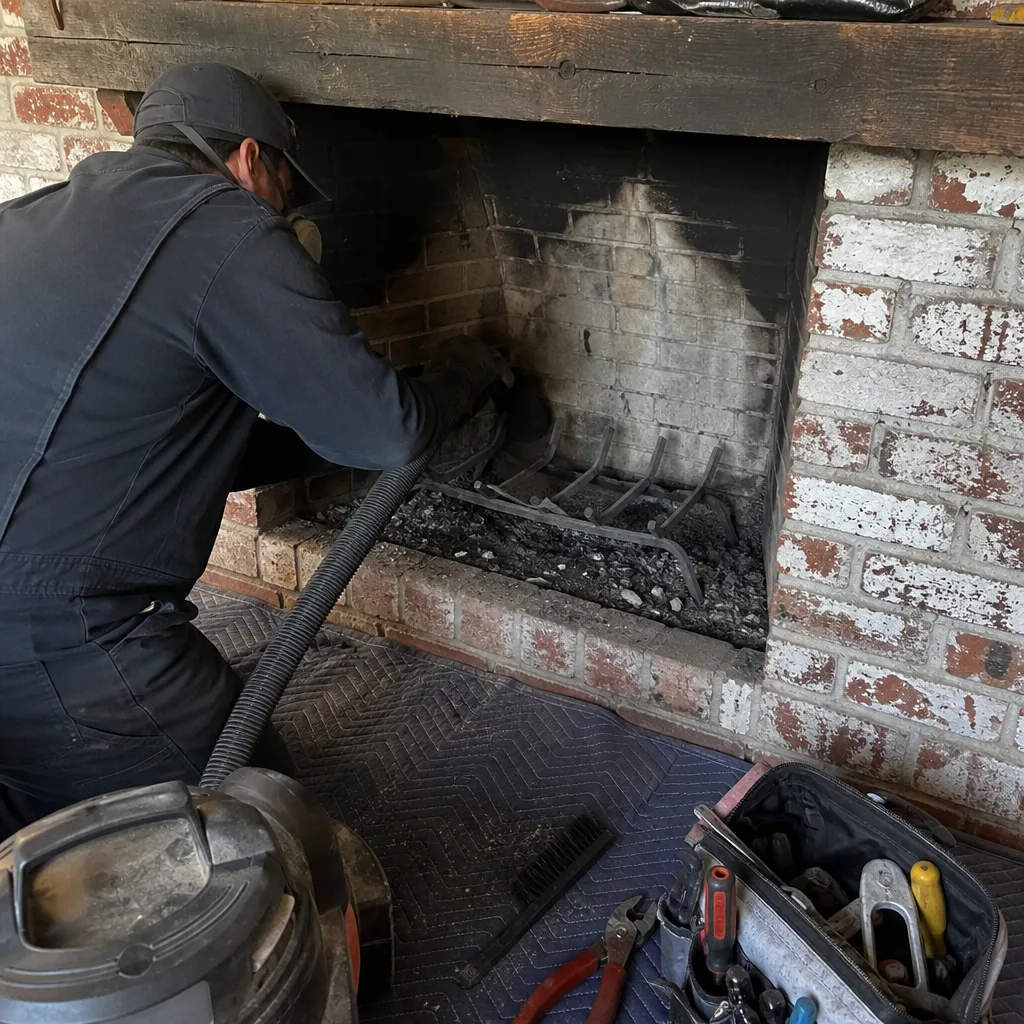 Before
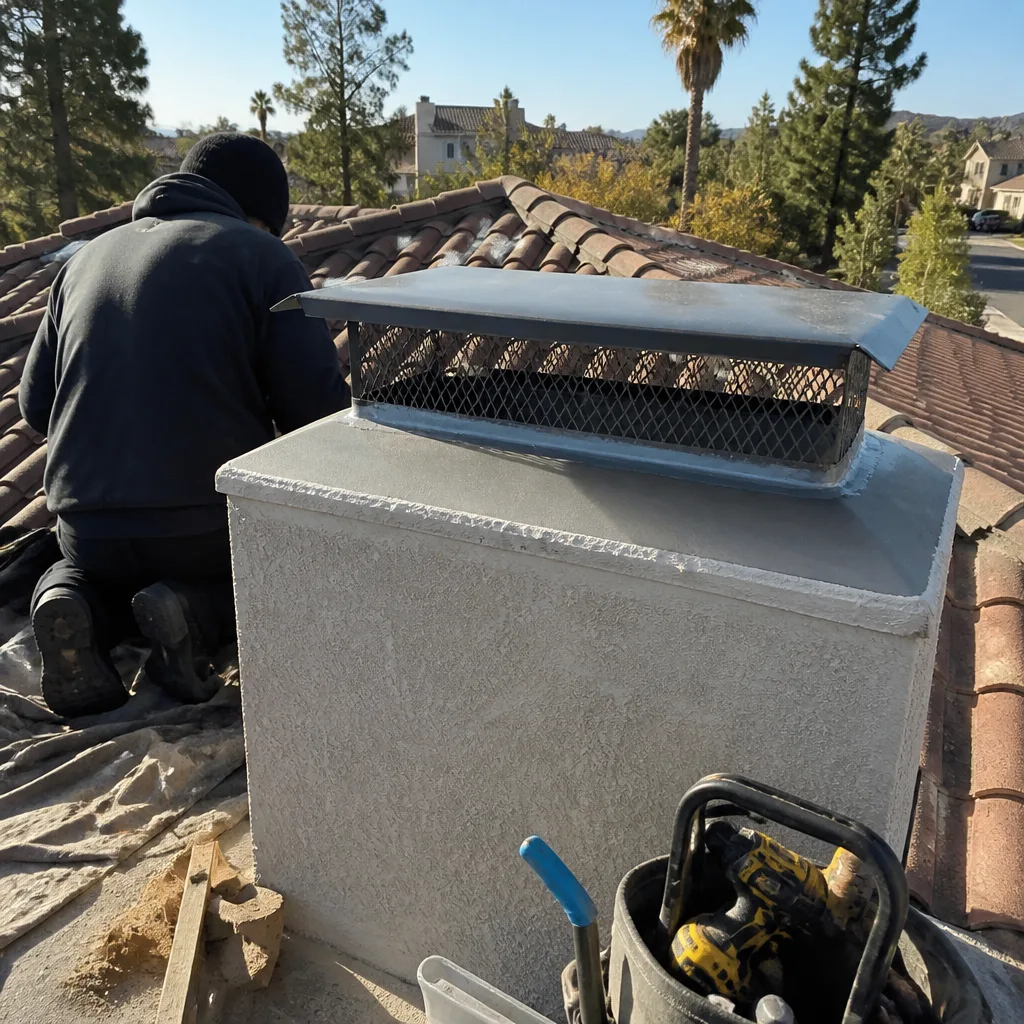 After
Frequently Asked Questions
Most Murrieta homes should have their chimney swept once per year, regardless of how often it’s used. Light, infrequent burning produces creosote deposits that linger and harden during summer heat, creating conditions that are just as dangerous as heavy use. Homes that burn more than three evenings per week during winter may need a second sweeping mid-season.
A standard chimney sweeping and Level 1 inspection in Murrieta typically runs between $150 and $300, depending on the size of the system and the amount of buildup. Repairs, relining, or specialized creosote removal are priced separately after a camera inspection shows exactly what’s needed. Call (877) 819-0285 for a free estimate based on your specific fireplace.
Not every liner problem requires replacement. Minor damage can sometimes be repaired or resurfaced, and products like HeatShield and DuraFlex allow for targeted fixes rather than full replacement. The only way to know is with a camera inspection that shows the full length of the flue. We never recommend liner work without showing you the footage and explaining why it’s necessary.
Skipping maintenance allows creosote to accumulate in thicker layers, mortar to crack wider, and water to penetrate deeper into the masonry. What often starts as a simple sweeping need becomes a repair project: cracked crown, spalling brick, damaged liner. The cost difference can be tenfold, and the safety margin shrinks with every skipped season.
Yes. Dryer vents collect lint, and lint is highly combustible. The heat and airflow through a dryer vent create the same kind of fire risk as a chimney flue, just on a smaller scale. We clean Dryer Vent Cleaning in Murrieta as part of our full-home fire safety approach, and most homeowners are surprised by how much lint comes out of a vent that looks fine from the outside.
We don’t recommend it. Roof work is dangerous, and chimney inspection requires understanding what you’re looking at: which cracks are structural, which stains are creosote versus mold, and which liner conditions are hazardous. A professional inspection includes camera documentation and a written report you can keep for your records. For repairs and more involved work, rely on a professional rather than attempting DIY fixes on high or hard-to-access components, which is the same reason we recommend trained technicians for Chimney Repair in Murrieta.
The Bottom Line
Murrieta’s chimney season runs all year, but it doesn’t look like the chimney season in colder climates. Summer heat stress, Santa Ana wind events, and wildfire smoke all leave their mark on the system even when no fire is burning. The fix is a simple rhythm: inspect before the first fire, burn smart through the winter, and assess after the last fire. That cycle keeps a chimney healthy through decades of use, and it costs far less than repair work down the line. If you haven’t scheduled your seasonal inspection yet, the best time is now, before the next heat wave or wind event finds the weak spot for you. For more guides & resources on keeping your system safe year-round, visit our blog.
Contact Mayflower Chimney Sweep at (877) 819-0285 to schedule a sweep, inspection, or chimney repair in Murrieta. We tell you what we find, in plain language, before we touch anything. From the firebox to the cap, sweep, repair, reline. That’s how we work, and it’s the only way we’d recommend a chimney be cared for.
Written by the team at Mayflower Chimney Sweep home, serving Murrieta since 2013.