Last updated October 30, 2026
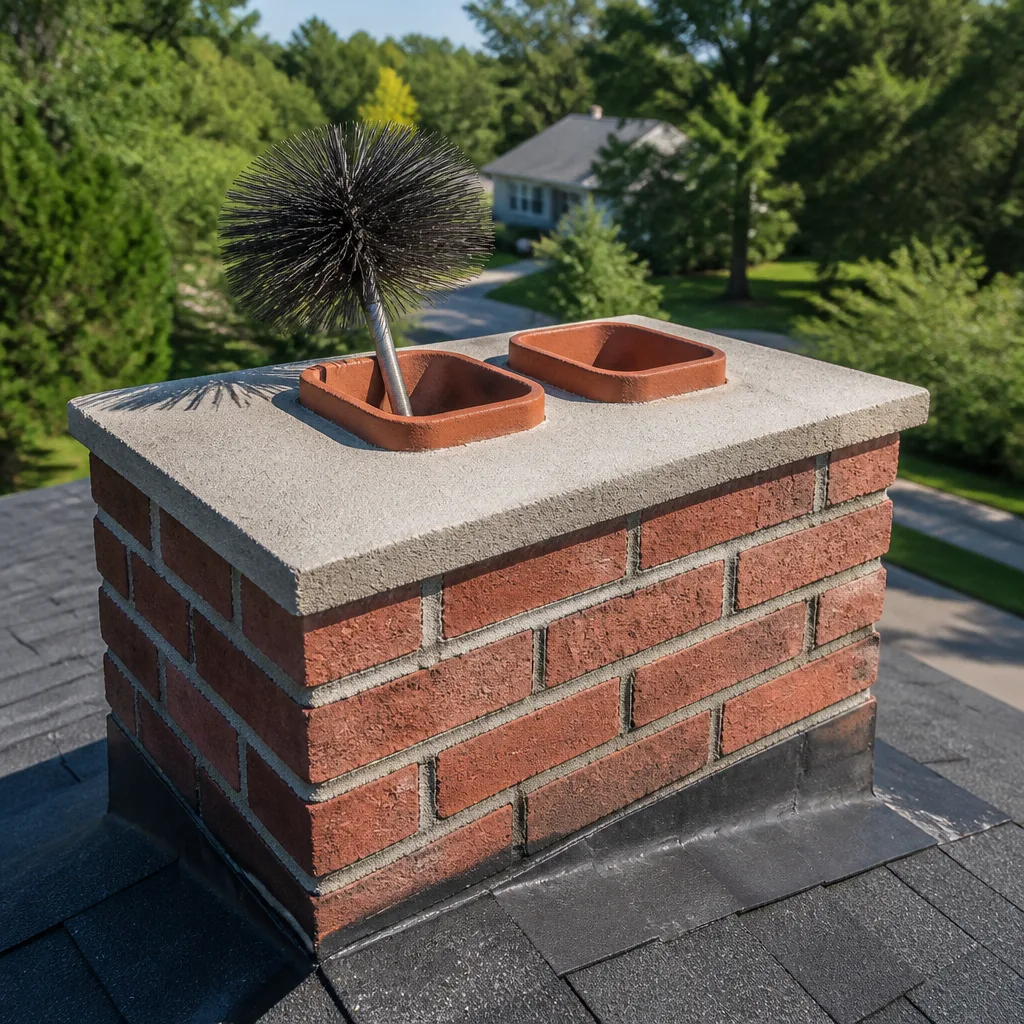 Sweep & inspection
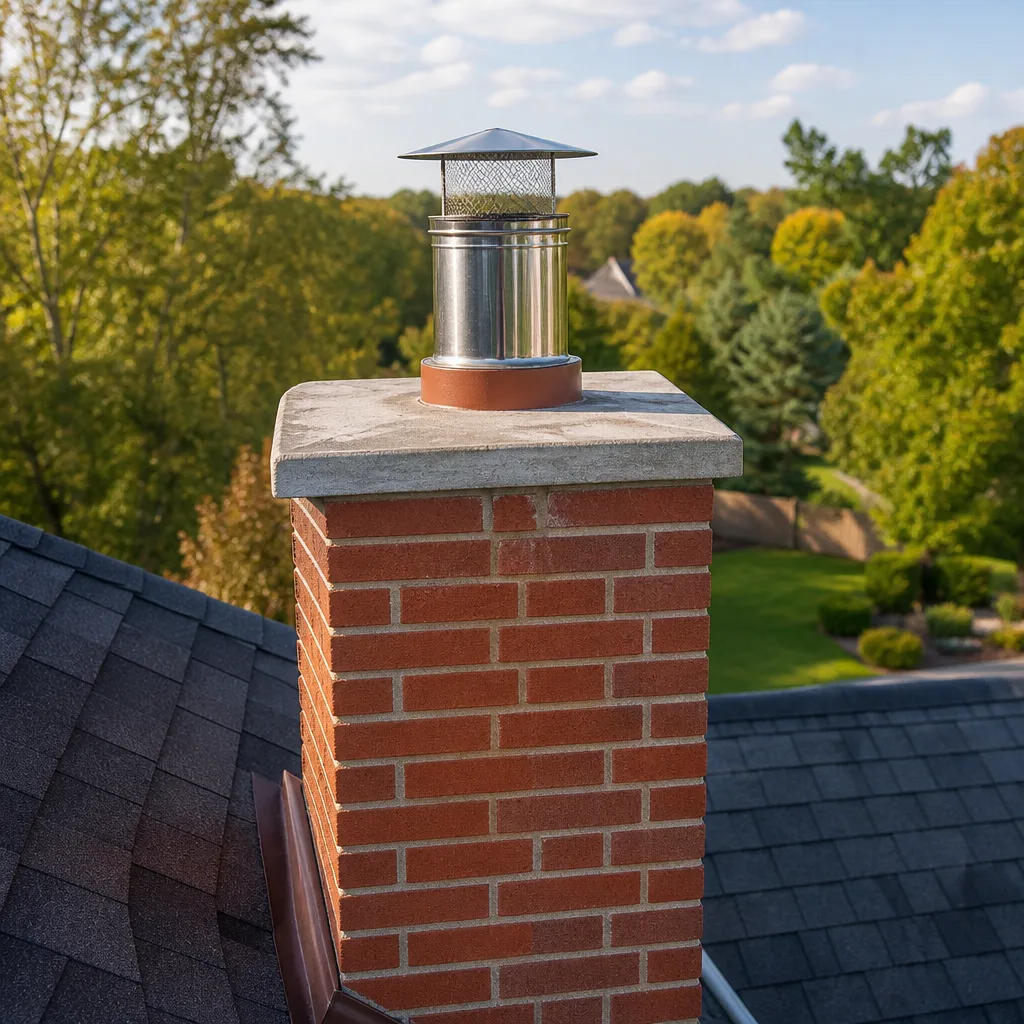
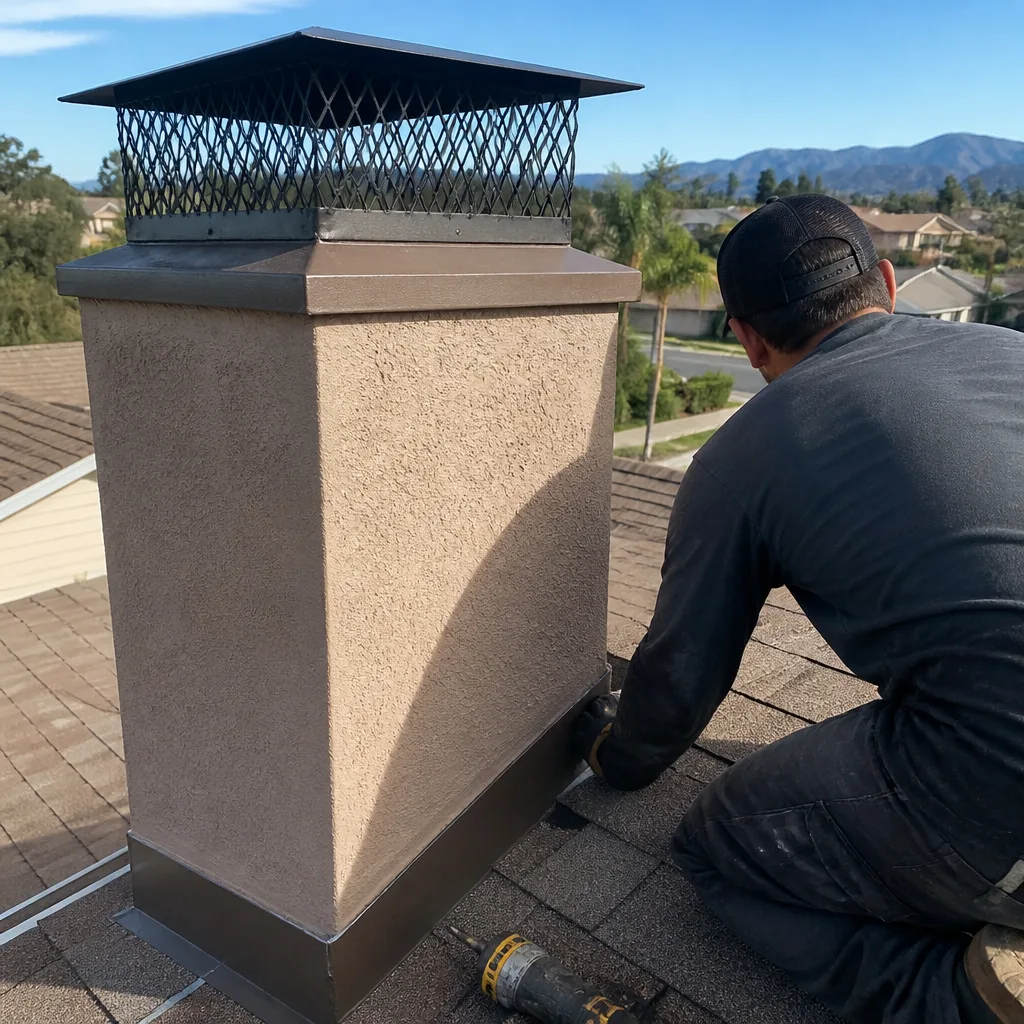
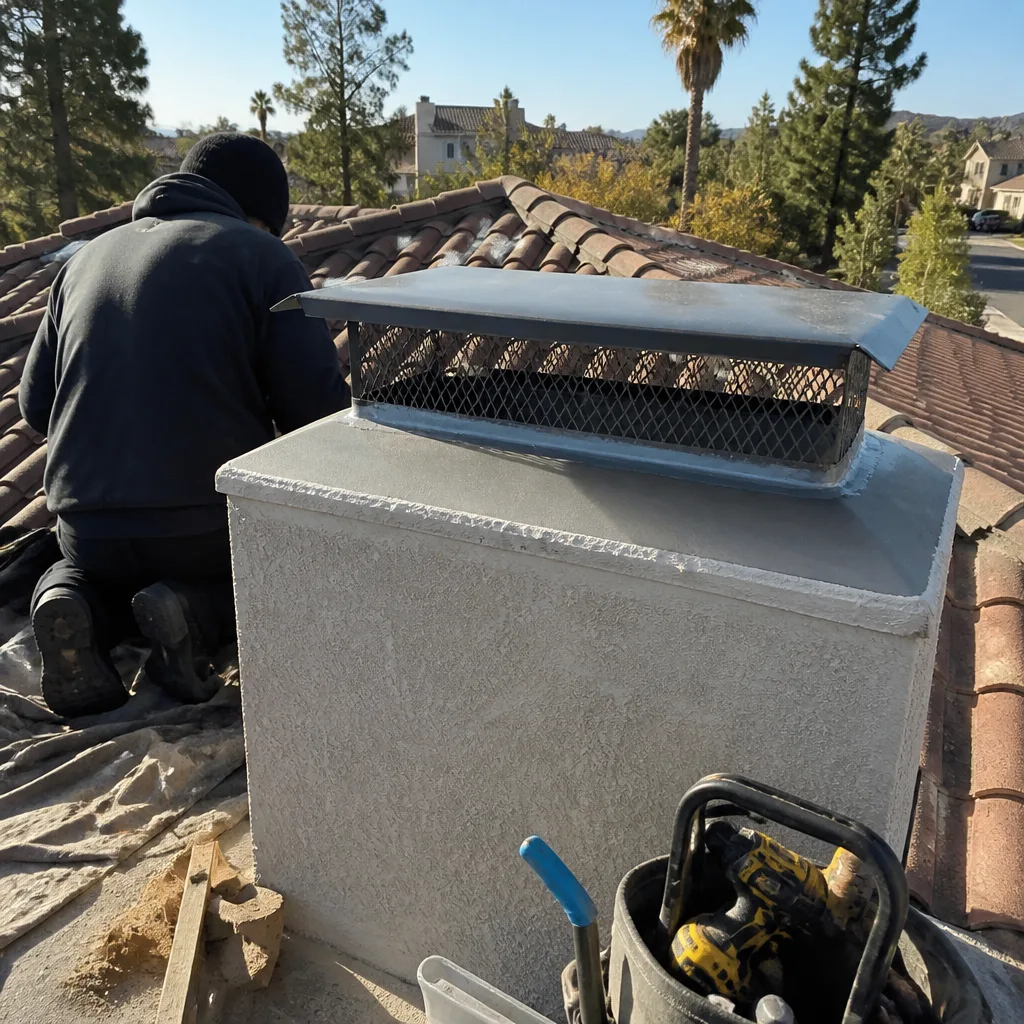
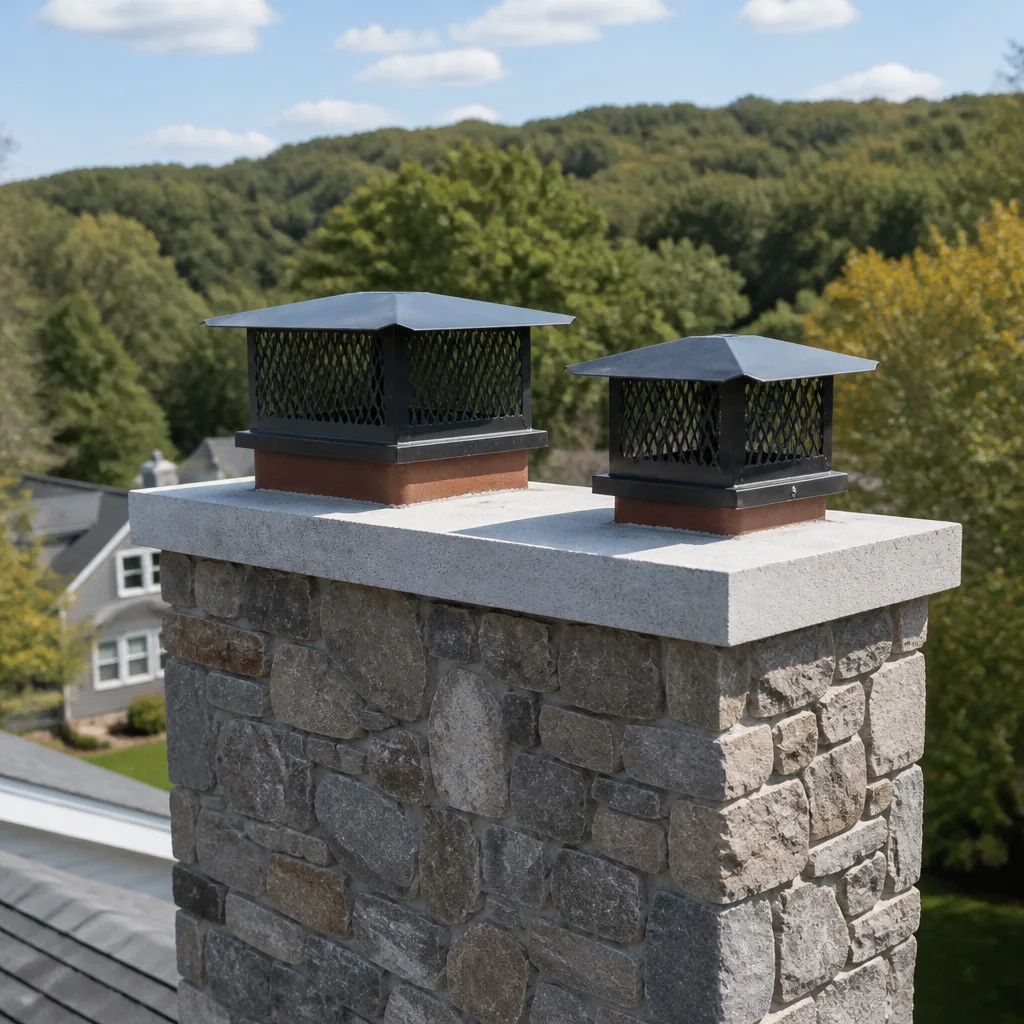 Caps & crowns
 Flue relining
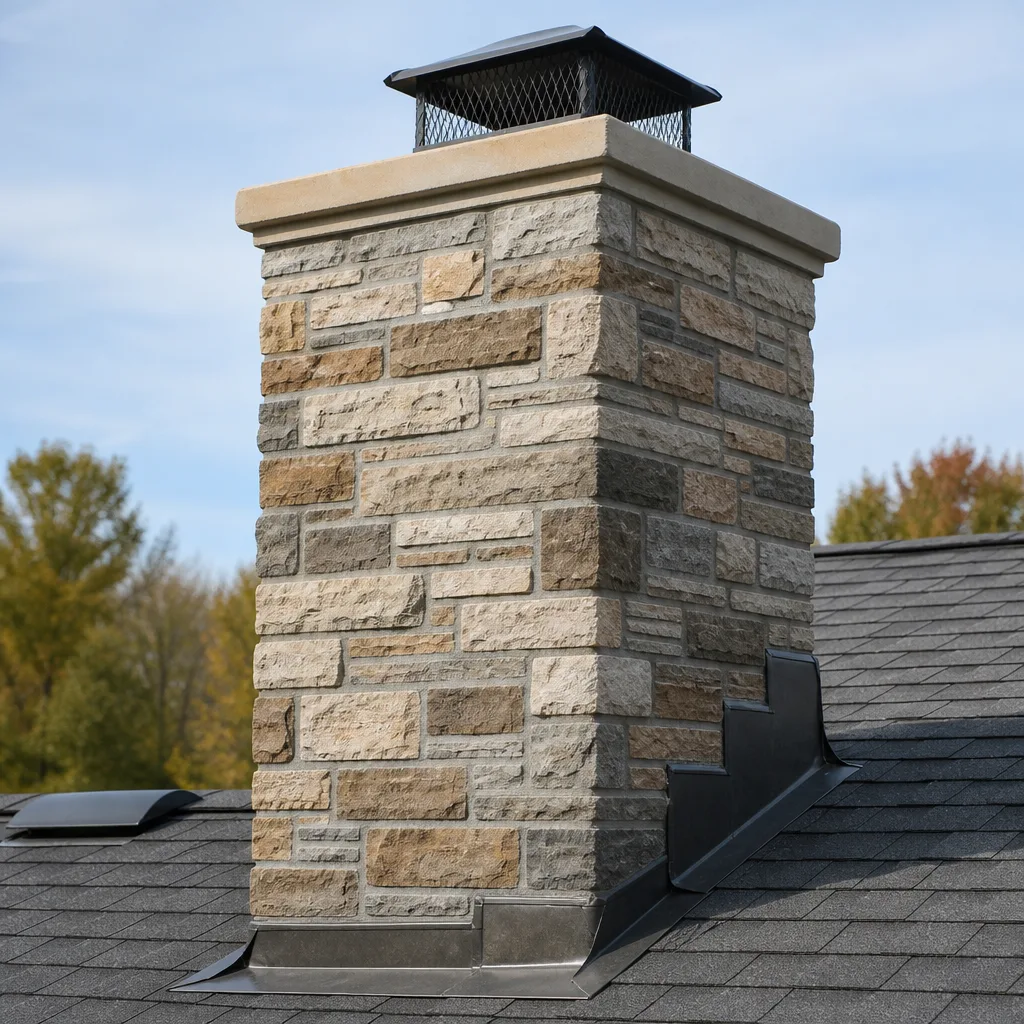 Masonry repair
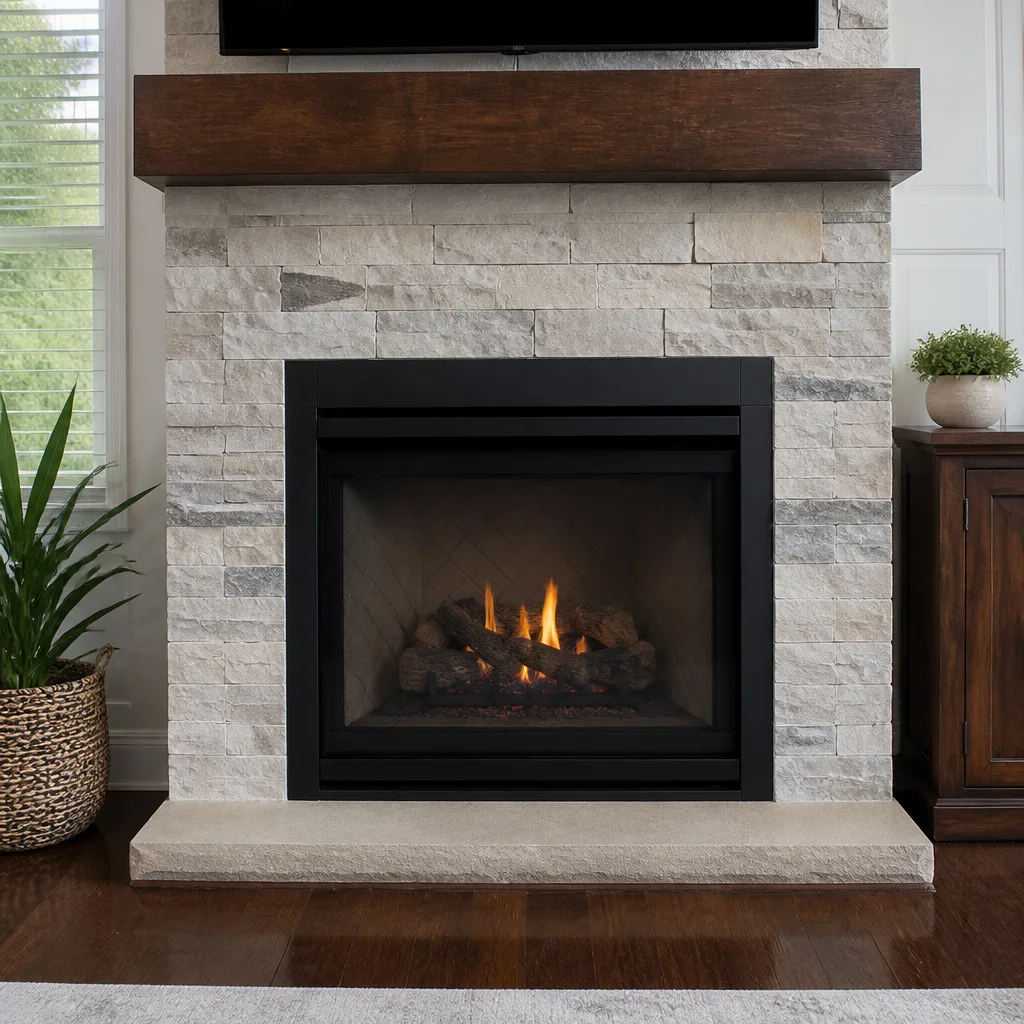 Gas fireplace service
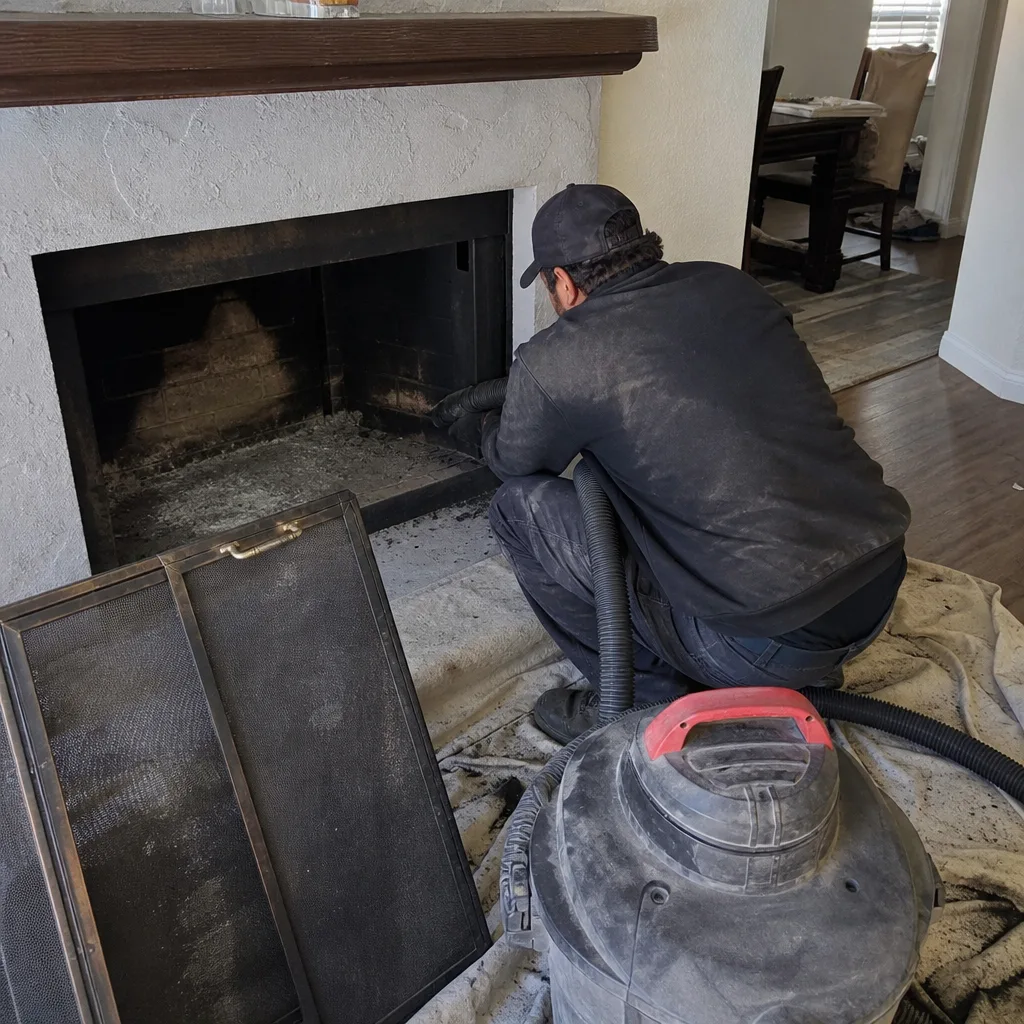
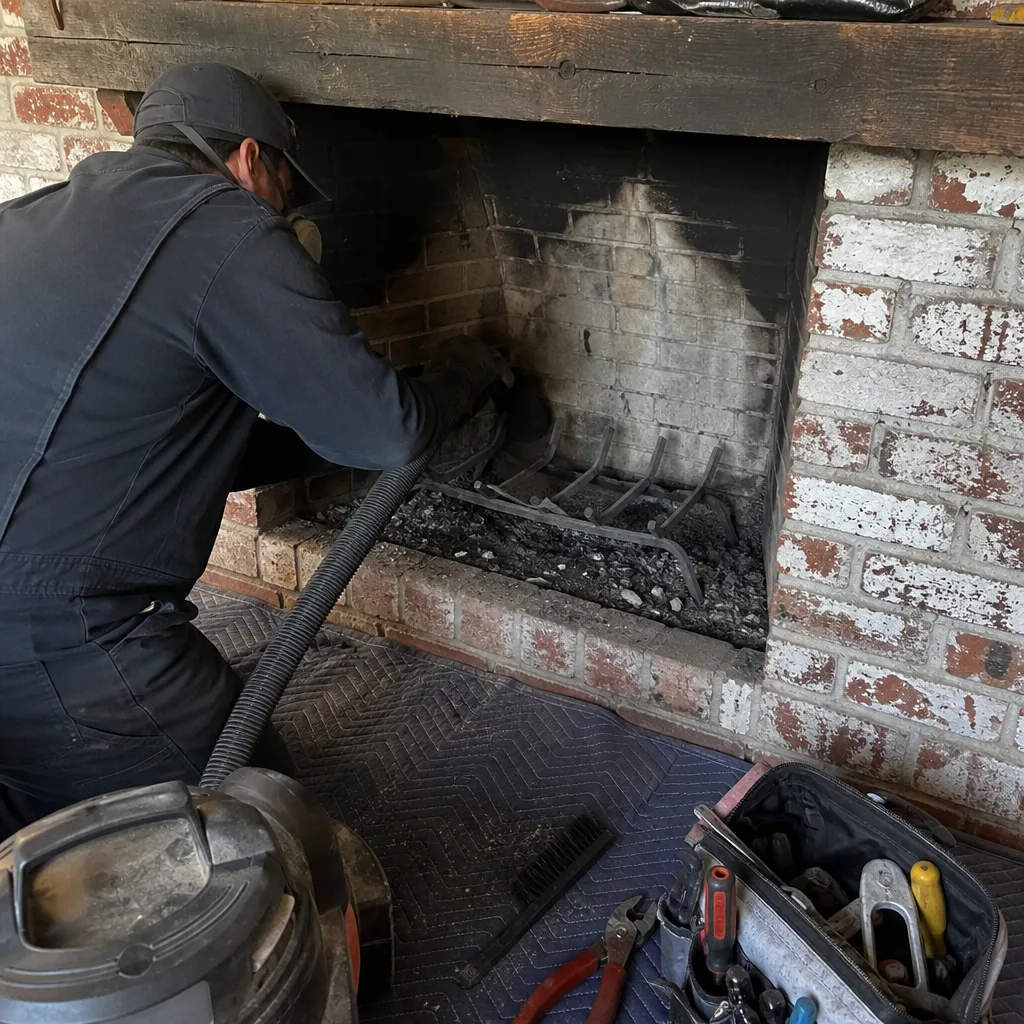
Level 1 sweep and inspection to the NFPA 211 annual standard - flue, crown, cap, and flashing checked and photographed
Chimney sweep logs do not sweep chimneys. They loosen some creosote - which then falls where a brush and vacuum still have to collect it.
Chimney Cleaning Permits, Codes & Inspections in CA: What You Need to Know
Here’s a counterintuitive fact that surprises most Murrieta homeowners: the chimney sweep who shows up with brushes and a vacuum is doing work that requires no permit whatsoever in California, but the moment that same professional recommends a liner repair, a crown rebuild, or firebox masonry work, you’ve crossed into territory where Riverside County building code, Title 24, and NFPA 211 all have something to say. And here’s the unsettling part: unqualified contractors skip the permit process routinely, leaving homeowners holding liability they never knew they had. This guide explains exactly which chimney services trigger permitting in California and Riverside County, what code compliance actually means, how inspections work in Murrieta’s jurisdiction, and how to make sure your contractor doesn’t leave you exposed.
Styles & brands we work with
Quick Answer
Chimney sweeping and routine cleaning are classified as maintenance in California and do not require a permit anywhere in the state, including Murrieta and Riverside County (see our Chimney Sweep Maintenance Checklist for Murrieta Homeowners for routine care guidance). However, chimney repairs that involve structural changes, liner replacement, firebox rebuilding, or crown reconstruction generally do require a building permit from the City of Murrieta’s Building and Safety Division. A properly permitted repair creates an inspection record and documentation trail that protects your insurance coverage and resale position, and skipping the permit can void fire-damage claims and create a seller disclosure problem later.
Table of Contents
- Which Chimney Services Need a Permit vs. Which Are Maintenance
- How California Title 24 and NFPA 211 Interact on Chimney Work
- What a Permitted Chimney Repair Inspection Looks Like in Murrieta
- How to Verify Your Contractor Actually Pulled a Permit
- Pulling Your Own Permit as a Homeowner: Legal but Rarely Advisable
- The Insurance Documentation Trail a Proper Permit Creates
- Common Mistakes to Avoid
- When to Call a Professional
- Frequently Asked Questions
- The Bottom Line
Which Chimney Services Need a Permit vs. Which Are Maintenance
The dividing line in California’s building code is straightforward once you understand the principle: maintenance preserves what exists; construction changes it. A sweeping removes creosote and soot. It doesn’t alter the chimney’s structure, materials, or function. That’s why chimney sweeping in Murrieta is classified as routine maintenance under both California Building Code (CBC) Chapter 1 and Riverside County’s administrative code, and it does not trigger the permit counter.
Here’s the breakdown by service type:
- Chimney sweeping and cleaning: No permit required. This includes removing creosote, soot, and debris from the flue, smoke chamber, and firebox.
- Level 1 and Level 2 chimney inspections: No permit required. These are observational evaluations, even when they use video scanning equipment. The inspector is looking, not altering.
- Liner repair with HeatShield resurfacing: Permit requirement varies by scope. A HeatShield application that restores the existing liner’s surface without changing the flue’s dimensions or the chimney’s structural configuration may qualify as repair, but Riverside County inspectors increasingly view full liner resurfacing as alteration work that needs documentation. We recommend asking the Building and Safety Division directly before proceeding.
- Full liner replacement (such as a new DuraFlex stainless steel liner): Permit required in Murrieta and Riverside County. This is a material change to the chimney system’s function, and the installation must be inspected.
- Crown repair or rebuild: Permit required for a full rebuild. A minor crown patch with sealant may not require one, but the practical test is whether you’re restoring existing material or replacing it wholesale. If the old crown is demolished and new concrete or mortar is poured, that’s construction.
- Firebox rebuild: Permit required. Refractory panel replacement, firebrick relaying, and other firebox structural work all fall under construction that must be inspected.
- Chase cover replacement, cap replacement, damper repair: Generally no permit required. These are component-level maintenance items that don’t alter the chimney’s structure or function.
In our experience in Murrieta, the confusion almost always centers on liners. Homeowners understand that a new roof needs a permit. They understand that a room addition needs a permit. But a stainless steel liner disappearing into an existing chimney doesn’t look like construction, so it doesn’t feel like it should need one. Riverside County’s position, consistent with the California Residential Code, is that it does.
How California Title 24 and NFPA 211 Interact on Chimney Work
When a Murrieta contractor says they’ll bring your chimney “up to code,” they’re referencing two distinct documents that work together, and that phrase means far less than most homeowners assume. Here’s what’s actually going on.
California Title 24, Part 2 (California Building Code) is the legally enforceable standard. It adopts and modifies the International Residential Code (IRC) for California. Title 24 governs the construction requirements: clearances to combustibles, hearth dimensions, chimney height above the roofline, structural integrity, and material specifications. When Riverside County or the City of Murrieta issues a permit, the inspection is conducted against Title 24 requirements.
NFPA 211 is the National Fire Protection Association’s standard for chimneys, fireplaces, vents, and solid fuel burning appliances. It is not itself a law, but it functions as the industry’s authoritative reference for fire safety. California adopts much of NFPA 211 by reference through Title 24, which means the portions of NFPA 211 that align with California’s adopted codes become enforceable. When we reference NFPA 211 clearances or installation standards, we’re referencing the technical benchmark that Title 24 incorporates.
What this means in practice for a Murrieta homeowner:
- A liner replacement must meet the UL 1777 standard, which is referenced by both Title 24 and NFPA 211. That’s why we install DuraFlex liners: they carry the UL 1777 listing that California inspectors look for.
- “Up to code” only means something if the work was inspected. A contractor can install code-compliant materials without a permit, but the phrase “up to code” is unverified until an inspector signs off. We name the brands we use, like HeatShield and Olympia Chimney, precisely so homeowners have a verifiable standard to check independently.
- Title 24 updates every three years. Work that was code-compliant in 2019 may not meet current 2025 requirements. This matters when a homeowner buys a Murrieta home built in the 1990s and assumes the original fireplace installation remains compliant. It may not be.
The interaction between Title 24 and NFPA 211 is not academic. It determines whether a fire-damage insurance claim survives scrutiny. We’ve seen Riverside County homeowners denied claims not because their chimney was unsafe, but because the repair that preceded the fire lacked a permit and inspection record. That’s a real, documented outcome, and it’s entirely avoidable.
What a Permitted Chimney Repair Inspection Looks Like in Murrieta
The City of Murrieta operates through its Building and Safety Division, which issues permits and conducts inspections for residential chimney work that falls under the construction category. When a contractor pulls a permit for a liner replacement or firebox rebuild in Murrieta, the process follows a predictable sequence:
- Permit application and plan review. The contractor submits the scope of work, material specifications (liner type, insulation, clearances), and often the chimney’s dimensions. For straightforward liner replacements, plan review is typically fast. For complex structural repairs, it takes longer.
- Permit issuance. The City of Murrieta issues the permit, and the work can begin. The permit is attached to the property, not the contractor, which is why you want it on record.
- Rough inspection. The inspector visits during the work. For a liner replacement, this means checking that the liner is the correct size, properly insulated if applicable, correctly connected at the appliance and the top, and that required clearances are maintained. The inspector will want to see the UL listing on the liner material. This is one reason Famco and DuraFlex components are valued by code-savvy contractors: the documentation is readily verifiable.
- Correction notice or pass. If the inspector finds deficiencies, they issue a correction notice and the contractor must address the issues and call for a re-inspection. If the work passes, the inspection is recorded as approved.
- Final sign-off. The Building and Safety Division closes the permit. You now have a documented, inspected repair attached to your property’s address.
In our experience throughout Murrieta, the rough inspection is where unpermitted work gets exposed. Inspectors check exactly what they’re supposed to, and when a liner isn’t listed, isn’t insulated where the code requires it, or doesn’t extend the full height of the flue, the correction notice goes out. A permit does not guarantee quality, but it guarantees someone with enforcement authority looked at the work. That’s the point.
Who has authority to sign off? For residential chimney work in Murrieta, it is the city’s own Building and Safety Division inspector. There is no private third-party sign-off that substitutes for the city inspector. Contractors sometimes tell homeowners the city “accepts” private inspections, but for structural chimney work in Murrieta, the city inspector has the final authority.
How to Verify Your Contractor Actually Pulled a Permit
The single most common failure we’ve observed in Murrieta chimney work isn’t bad craftsmanship. It’s paperwork that never happened. A contractor tells the homeowner a permit was pulled, the homeowner never asks for proof, and the job is done before anyone realizes there’s no inspection on record. Here’s how to protect yourself.
- Ask for the permit number before work starts. A legitimate contractor who has applied for a permit has a permit number. It’s issued at application, before construction begins. If they can’t produce it, the permit hasn’t been pulled.
- Verify the permit through the City of Murrieta’s Building and Safety Division. Riverside County and Murrieta both operate online permit lookup systems. You can call the Building and Safety Division directly and verify that a permit exists at your property address and that it covers the specific scope of work.
- Check that the permit is “issued,” not just “applied for.” A permit application doesn’t authorize work. The permit must show as issued.
- Confirm the inspection has been scheduled before you make final payment. Hold the final payment until the rough inspection passes and the city closes the permit. A reputable contractor won’t object to this. If a contractor asks for full payment before inspection, that’s a signal the inspection may never happen.
- Get the permit documentation in writing. Ask for a copy of the issued permit and the final inspection sign-off. These documents should stay with your home records.
For chimney repair work, we tell Murrieta homeowners plainly: if a contractor seems vague about permits, asks you to “not worry about it,” or suggests a permit will slow the job down unnecessarily, the correct response is to find another contractor. The permit requirement isn’t an inconvenience. It’s a protection, and a contractor who sidesteps it is not protecting you.
This applies to all chimney repair work, whether it’s a liner replacement or a firebox rebuild. Chimney repair in Murrieta should leave a paper trail. If it doesn’t, you’re not getting the full service you paid for.
Pulling Your Own Permit as a Homeowner: Legal but Rarely Advisable
California law explicitly allows homeowners to act as their own contractor and pull their own building permits for work on their own residence, provided they occupy the home and state their intent to do the work themselves. This is legal in Murrieta and everywhere else in California. What we see far too often, though, is a contractor covertly asking the homeowner to pull the permit so the contractor avoids the process, and this arrangement creates several problems.
When the homeowner pulls the permit, the homeowner becomes the responsible party of record. That means:
- Liability shifts to you. If the work fails, the city’s enforcement path runs through the permit holder. That’s you. The contractor is not on the permit.
- Code violations become your violations. The Building and Safety Division issues corrections to the permit holder. You now own any code compliance problem.
- Insurance implications get murkier. Your homeowner’s insurance generally assumes permitted work was done by a licensed contractor. When you pull the permit and a contractor does the work, the insurance company may see an unlicensed contractor performing work under your permit, which is a claim-time complication.
- You absorb the scheduling burden. The permit holder calls for inspections, meets the inspector, and manages corrections. That’s the contractor’s job.
There are legitimate cases where a homeowner pulls their own permit, typically for simple work they’re genuinely doing themselves. But for structural chimney work, liner replacements, or firebox rebuilds, we recommend hiring a licensed contractor who pulls the permit under their license. That’s how the accountability system is designed to work, and it’s how you stay protected.
The Insurance Documentation Trail a Proper Permit Creates
Here’s the part that rarely gets explained until it’s too late. Your homeowner’s insurance policy covers your chimney, your fireplace, and your home against fire damage. But that coverage assumes your home’s fireplace and chimney systems were legally installed and maintained. When a major chimney repair happens, a permit creates the documentation that proves the work was done incorrectly or not at all.
The documentation chain a permitted chimney repair creates:
- The issued permit proves the work was officially recognized by the City of Murrieta before construction began.
- The inspection record proves the work was reviewed by an enforcement authority with the power to require corrections.
- The final sign-off proves the work met the code requirements as of the inspection date.
- The materials documentation (brand, model, UL listing) proves what was actually installed. This is where named-brand components matter. If your liner is a DuraFlex product, the manufacturer’s documentation is traceable. If it’s an unknown generic liner, the paper trail ends at the contractor’s invoice.
Now picture the claim scenario. A chimney fire causes $40,000 in damage. The insurance adjuster investigates. The chimney was relined five years ago. If the permit and inspection record exist, the adjuster sees a legally performed, inspected repair. The claim proceeds normally. If no permit exists, the adjuster sees unpermitted structural work on a fire-carrying system. The claim may be delayed, reduced, or denied entirely, on the grounds that unpermitted work contributed to the loss.
We’re not saying every unpermitted liner replacement results in a denied claim. We’re saying the risk is real, it’s documented across the industry, and it’s entirely avoidable for the cost and inconvenience of a permit. In Murrieta, where fire season is a genuine annual concern, that documentation trail isn’t administrative busywork. It’s what stands between you and a coverage fight at the worst possible time. From the firebox to the cap, sweep, repair, reline, the paper trail matters as much as the metal.
Common Mistakes to Avoid
- Assuming all chimney work is maintenance. The moment your chimney repair involves structural changes, a liner replacement, or a firebox rebuild, it’s construction, not maintenance, and the permit rules change. Get it confirmed before work starts.
- Taking the contractor’s word that a permit was pulled. Verify the permit through the City of Murrieta’s Building and Safety Division. A verbal assurance is not documentation.
- Paying in full before the final inspection. Hold the final payment until the city closes the permit. This gives you leverage if corrections are needed.
- Letting a contractor put the permit in your name. This shields the contractor from liability and transfers it to you. Do not pull a permit for work you’re not doing yourself.
- Confusing “up to code” with “inspected.” Code-compliant materials installed without a permit are not inspected, and the phrase “up to code” is unverified until an inspector signs off.
- Ignoring the disclosure requirement when selling. If you’ve had structural chimney work done without a permit, you have a legal obligation to disclose it when selling your Murrieta home. Unpermitted work discovered by a buyer’s inspection can derail a sale entirely.
- Assuming an old chimney is grandfathered. Title 24 updates regularly. A chimney that met code in 1995 may not meet current requirements, and if you’re doing repair work, the inspector holds the entire system to the current standard, not the standard at original construction.
When to Call a Professional
Some chimney situations are DIY-friendly: replacing a damper handle, cleaning the firebox between sweepings, keeping the hearth clear. But the moment the work touches the liner, the crown, the firebox structure, or the flue’s connection to the appliance, a trained professional is the person to call. Chimney fires in the United States cause an average of 20,000 residential fires annually, and the overwhelming majority trace back to the liner, the clearance, or the connection. These are not systems to experiment with. Mayflower Chimney Sweep offers free estimates in Murrieta. We sweep, repair, and reline, using DuraFlex, HeatShield, and Olympia Chimney components we’re prepared to stand behind. Call (877) 819-0285 to schedule an inspection.
Frequently Asked Questions
No. Chimney sweeping in Murrieta is classified as maintenance under California building code and does not require a permit from the City of Murrieta or Riverside County. The work removes creosote and debris without altering the chimney’s structure, which keeps it outside the construction category that triggers permitting.
Yes, in the overwhelming majority of cases. A full liner replacement (such as installing a new stainless steel liner) is a material change to the chimney’s function and structure, and it requires a permit from the local building authority. In Murrieta, that authority is the City of Murrieta’s Building and Safety Division, which will require an inspection as part of the permit process.
You risk several consequences: the city can issue a stop-work order, require you to obtain a permit retroactively, and impose penalties. Your homeowner’s insurance may also deny fire-damage claims related to unpermitted chimney work, and you’ll face a seller disclosure problem if you sell the home later. For a free estimate on properly permitted chimney repair in Murrieta, call (877) 819-0285.
Ask for the permit number before work begins and verify it through the City of Murrieta’s Building and Safety Division online permit lookup or by phone. A legitimate contractor has a permit number at application, and if they can’t produce one, the permit hasn’t been pulled. Don’t make final payment until the inspection passes and the city closes the permit.
Yes, California law allows homeowners to pull their own building permits for work on their own residence, provided they occupy the home and intend to do the work themselves. But if a contractor is asking you to pull the permit so they can avoid doing it, that arrangement shifts liability to you and creates insurance and code-compliance problems. It’s legal, but it’s rarely advisable for structural chimney work.
A Level 2 chimney inspection is an observational evaluation, often using video equipment, that a chimney professional performs to assess the chimney’s condition. It does not require a permit and is not the same as a city inspection. A permitted inspection is performed by a City of Murrieta Building and Safety Division inspector, who reviews the construction work against California building code and has the authority to issue corrections or approve the work.
The cost varies by scope: a full liner replacement with a stainless steel liner typically runs $2,500 to $5,000 in the Murrieta market depending on flue height and access, a crown rebuild runs $800 to $1,800, and a firebox rebuild runs $1,200 to $3,500. The city permit adds a fee based on the valuation of the work, typically $150 to $350, and the inspection is included. Call (877) 819-0285 for a free estimate tailored to your chimney.
No. Dryer vent cleaning in Murrieta is classified as maintenance, not construction. The work removes lint buildup from the exhaust system without altering the vent’s structure, so no permit is required. That said, dryer vents are chimneys too, and regular cleaning is one of the most effective fire-safety measures a homeowner can take.
The Bottom Line
The rule that matters most is simple: cleaning is maintenance, and maintenance doesn’t need a permit. Repair changes structure, and structure needs one. In Murrieta and throughout Riverside County, the dividing line is whether the work alters the liner, the crown, the firebox, or the flue’s function. If it does, a permit from the City of Murrieta’s Building and Safety Division is required, and an inspection should follow. A properly permitted repair creates a documentation trail that protects your insurance coverage and your resale position. Unpermitted structural work, by contrast, can void fire-damage claims and create disclosure problems that surface at the worst possible time. The straightforward solution: ask for the permit number before work starts, verify it, and hold payment until the city signs off. At Mayflower Chimney Sweep, we tell you what we find, in plain language, before we touch anything. Call (877) 819-0285 for a free estimate. You can also visit our Mayflower Chimney Sweep home page to learn more about our full range of services.
Written by the team at Mayflower Chimney Sweep, serving Murrieta since 2013.
See the difference
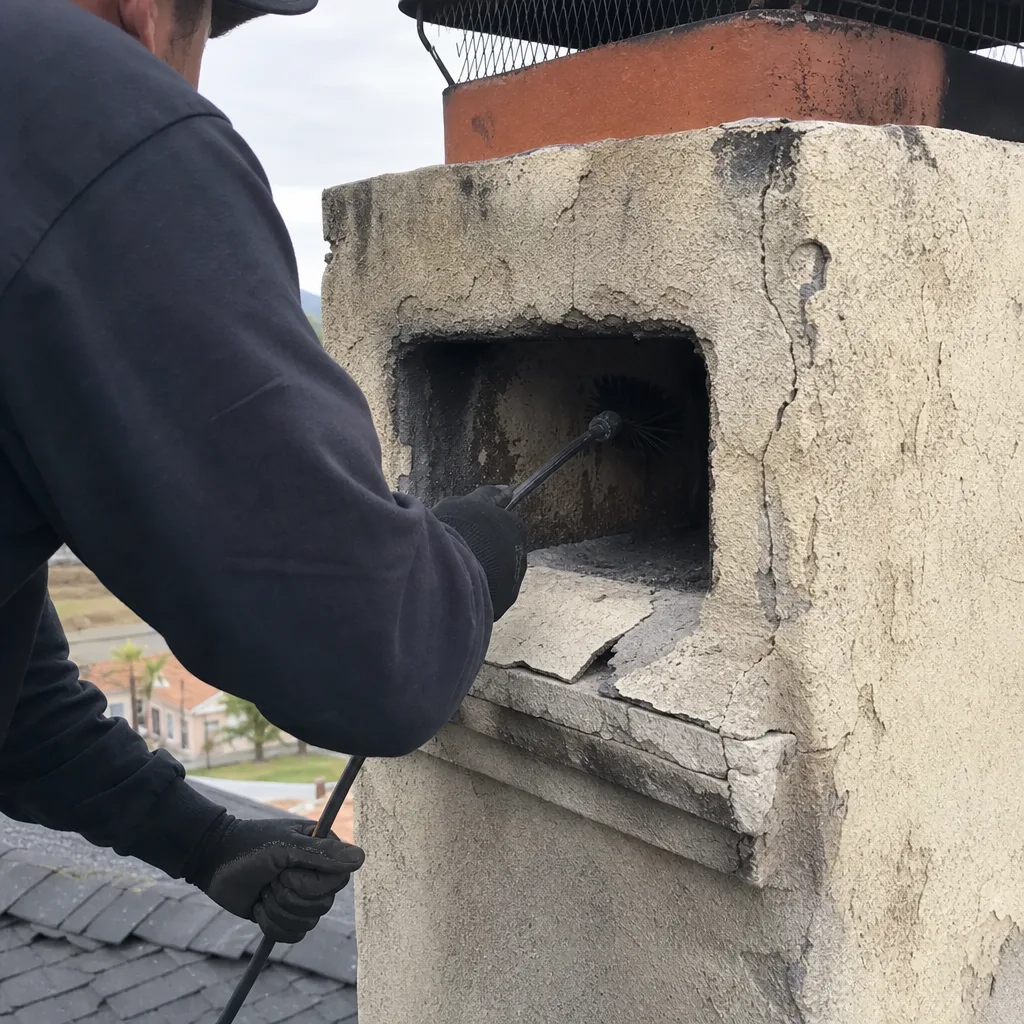 Before
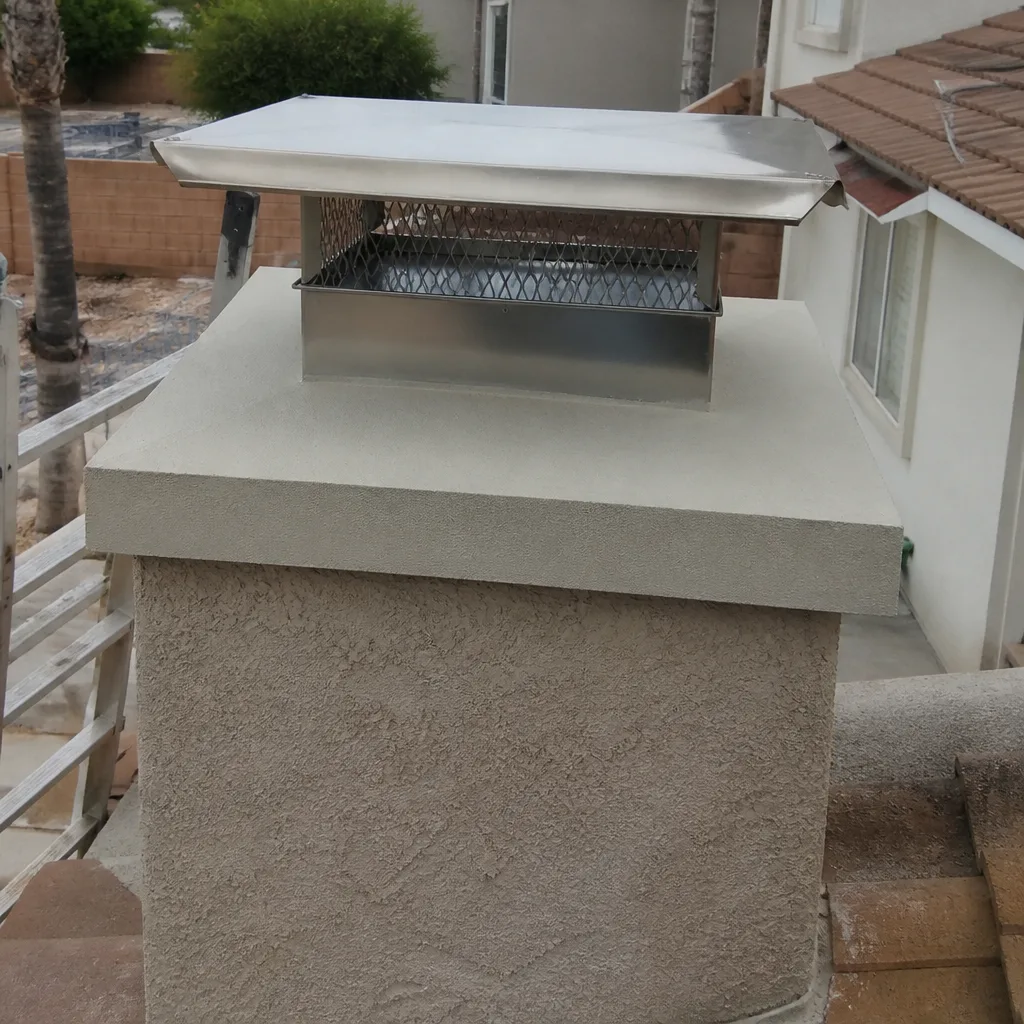 After
 Before
 After
 Before
 After