Last updated October 30, 2026
 Sweep & inspection
 Caps & crowns
 Flue relining
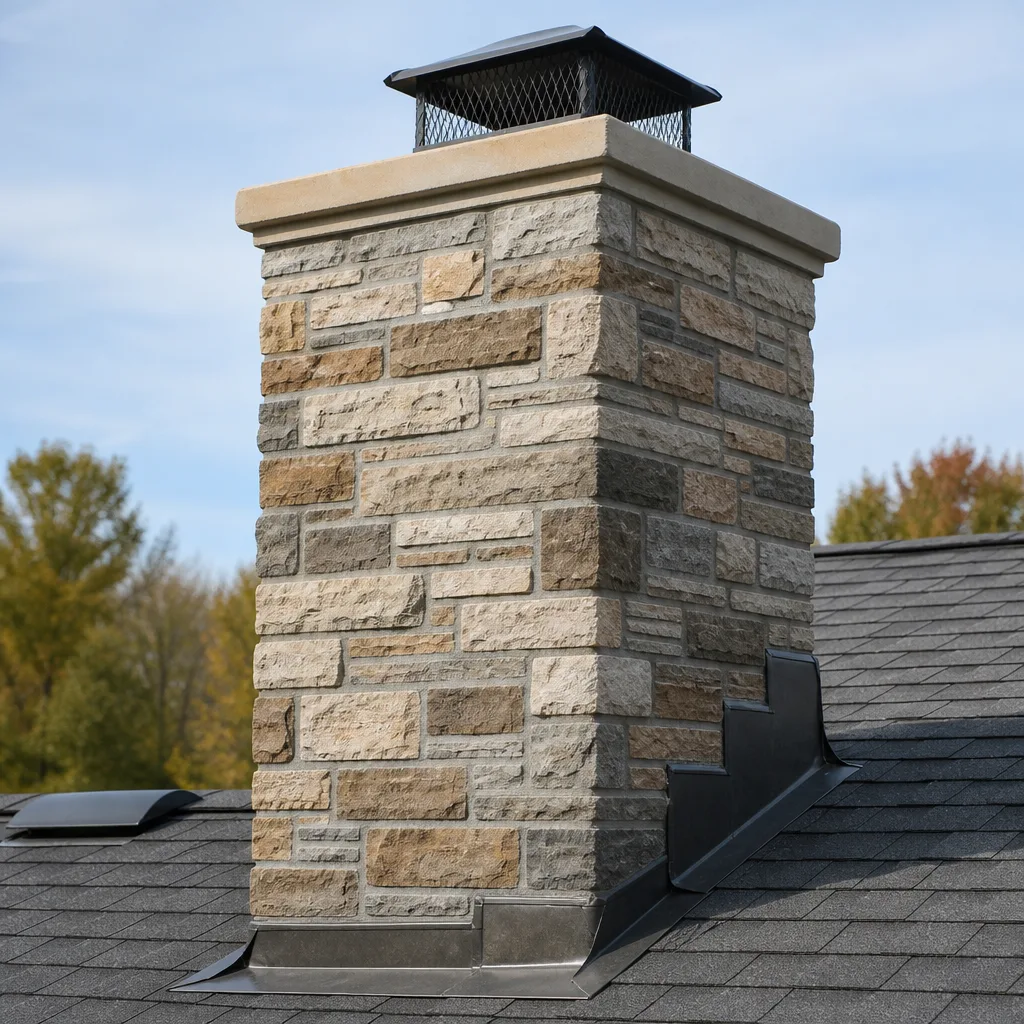 Masonry repair
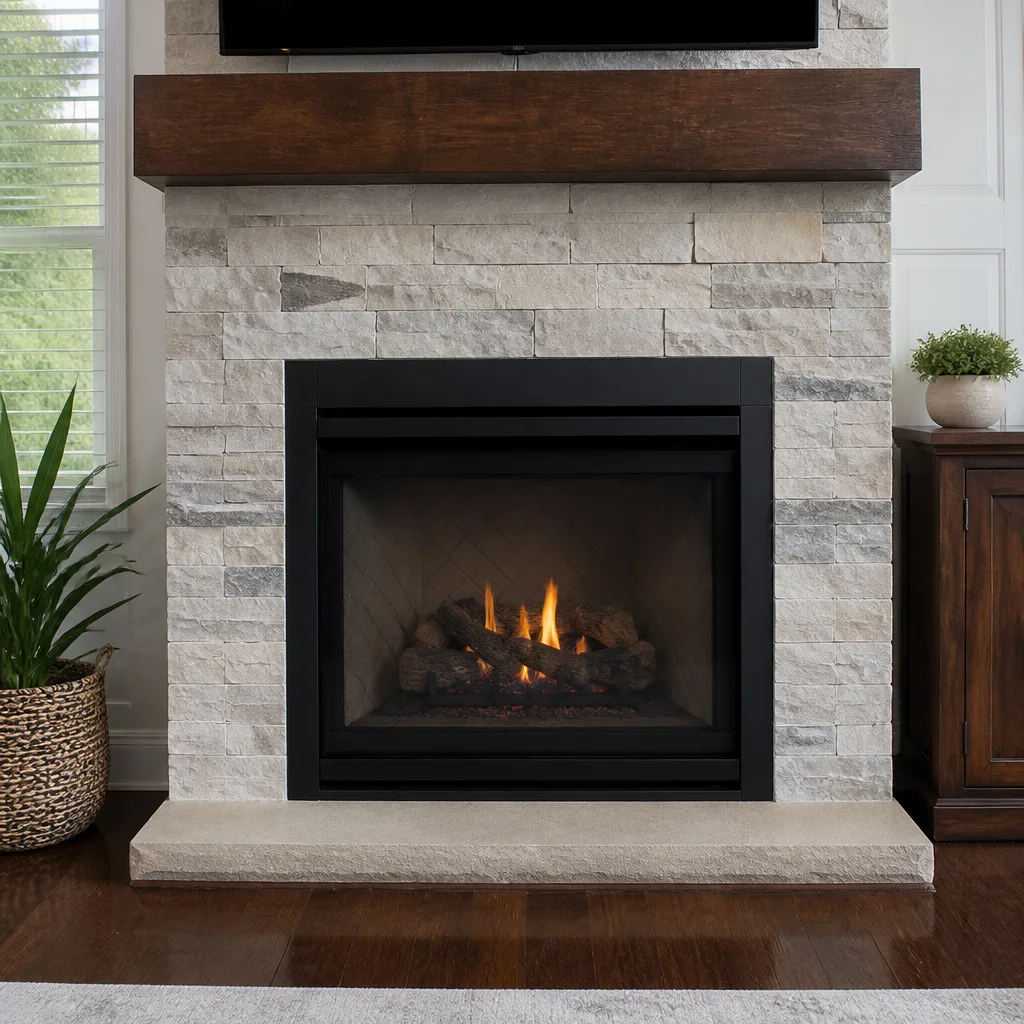 Gas fireplace service
Level 1 sweep and inspection to the NFPA 211 annual standard - flue, crown, cap, and flashing checked and photographed
Chimney sweep logs do not sweep chimneys. They loosen some creosote - which then falls where a brush and vacuum still have to collect it.
Chimney Cleaning Emergency Preparedness Guide for Murrieta Homes
After a chimney fire, most homeowners don’t know it happened. The burning creosote burns itself out, the fire goes cold, and the liner is cracked, ready to route the next fire directly into the framing. The clue is a smell like burning asphalt and a flue that suddenly drafts differently. This guide walks you through the four or five emergency scenarios specific to Murrieta, where a chimney becomes a safety liability fast: Santa Ana wind events, wildfire smoke intrusion, post-earthquake mortar damage, and the first cold snap after a long off-season. By the end, you’ll know what to check, what to have on hand, and when to stop and call a professional.
Styles & brands we work with
Quick Answer
Emergency chimney preparedness in Murrieta means knowing the warning signs of a chimney fire that already happened, shutting the damper during wildfire smoke events, checking mortar joints and crowns after earthquakes, and verifying your chimney cap after Santa Ana wind events. You need a fireplace-rated extinguisher, working carbon monoxide detectors on every floor, and the phone number of a chimney professional who can inspect before you burn again. Review our Chimney Cleaning Warning Signs: A Murrieta Homeowner’s Reference Guide to know what to watch for. If you suspect any damage, stop using the fireplace and schedule an inspection.
Table of Contents
- How to Tell If a Chimney Fire Already Happened
- Santa Ana Wind Emergencies: What High Wind Does to Your Chimney
- Wildfire Smoke Protocol for Murrieta Homes
- Post-Earthquake Chimney Checks: The Elsinore Fault Factor
- The First Cold Snap: Pre-Burn Checklist After a Long Off-Season
- What to Have on Hand: Emergency Supplies for Chimney Safety
- Common Mistakes to Avoid
- When to Call a Professional
- Frequently Asked Questions
- The Bottom Line
How to Tell If a Chimney Fire Already Happened
A chimney fire is not always the dramatic, roof-shooting flame event you see in videos. Most chimney fires are slow-burning, contained inside the flue, and they extinguish themselves when the creosote fuel is consumed. The damage they leave behind is what matters. In our experience working on Murrieta homes, we regularly see flues where a fire occurred without the homeowner realizing it until an inspection caught the damage.
Post-burn indicators that distinguish a normal fire from a flue ignition event:
- An asphalt or tar-like odor that lingers around the fireplace even when it’s cold. This is the smell of creosote residue that has been superheated and partially burned.
- A flue that suddenly drafts differently. If your fireplace used to pull smoke up cleanly and now spills smoke into the room, the liner may have warped or cracked.
- Honeycomb-textured creosote on the flue walls. Normal creosote is sticky or flaky. After a chimney fire, it looks puffed, like a sponge or honeycomb.
- Flakes of creosote in the firebox that fell from the flue walls after the fire burned through the deposit.
- Cracked or popped flue tiles visible at the top of the chimney, especially if you see pieces of terra cotta on the roof or in the firebox.
- Discolored or distorted chimney cap from heat that traveled up the flue faster and hotter than normal.
If you notice any of these signs, do not use the fireplace again until a professional has inspected it. A flue that has cracked from a chimney fire is no longer containing heat and sparks the way it should. The next fire you build could route directly into the framing around the chimney chase, which is how a small chimney fire becomes a structure fire.
What you should do:
- Stop using the fireplace immediately.
- Close the damper to prevent any remaining creosote odor from entering the living space.
- Do not attempt to clean the flue yourself. The damaged liner may have sharp edges or loose debris that makes a DIY sweep dangerous.
- Schedule a professional chimney inspection in Murrieta before burning again.
Mayflower Chimney Sweep performs full inspections as part of every Chimney Sweep in Murrieta visit. We tell you what we find, in plain language, before we touch anything.
Santa Ana Wind Emergencies: What High Wind Does to Your Chimney
Murrieta sits in a wind corridor that gets hit hard during Santa Ana events, especially in the fall when winds gust from the northeast at 40 to 60 mph and sometimes higher. Those winds do three specific things to a chimney system: they test the cap, they force downdrafts, and they can drive embers into the flue opening if the cap screen is damaged or missing.
After any high-wind event, check these items before you burn:
- Chimney cap and spark arrestor. Look from the ground with binoculars. The cap should sit squarely on the flue, not tilted or shifted. The screen mesh should be intact with no tears. A cap that has come loose or a screen with a hole is an open invitation for embers and debris.
- Mortar joints and crown. Wind alone does not crack mortar, but wind-driven debris can chip the crown. Combined with existing wear, a wind event can be the moment a hairline crack becomes a visible gap.
- Damper operation. Strong downdrafts can force the damper plate out of alignment. If the damper feels harder to open or close than it did before, or if it rattles when the wind blows, have it checked.
- Debris inside the flue. Santa Ana winds carry leaves, palm fronds, and dust. If the cap screen is compromised, that debris ends up inside the flue, where it becomes kindling for your next fire.
Downdraft during a Santa Ana event is more than an annoyance. When wind pushes down the flue, it can overcome the natural draft and force smoke back into the house. If you light a fire during a high-wind advisory and the smoke spills into the room, extinguish the fire and close the damper. Wait until the wind event passes. If the problem persists even on calm days, the issue is likely a cap problem, a flue sizing problem, or a chimney height problem, not just weather.
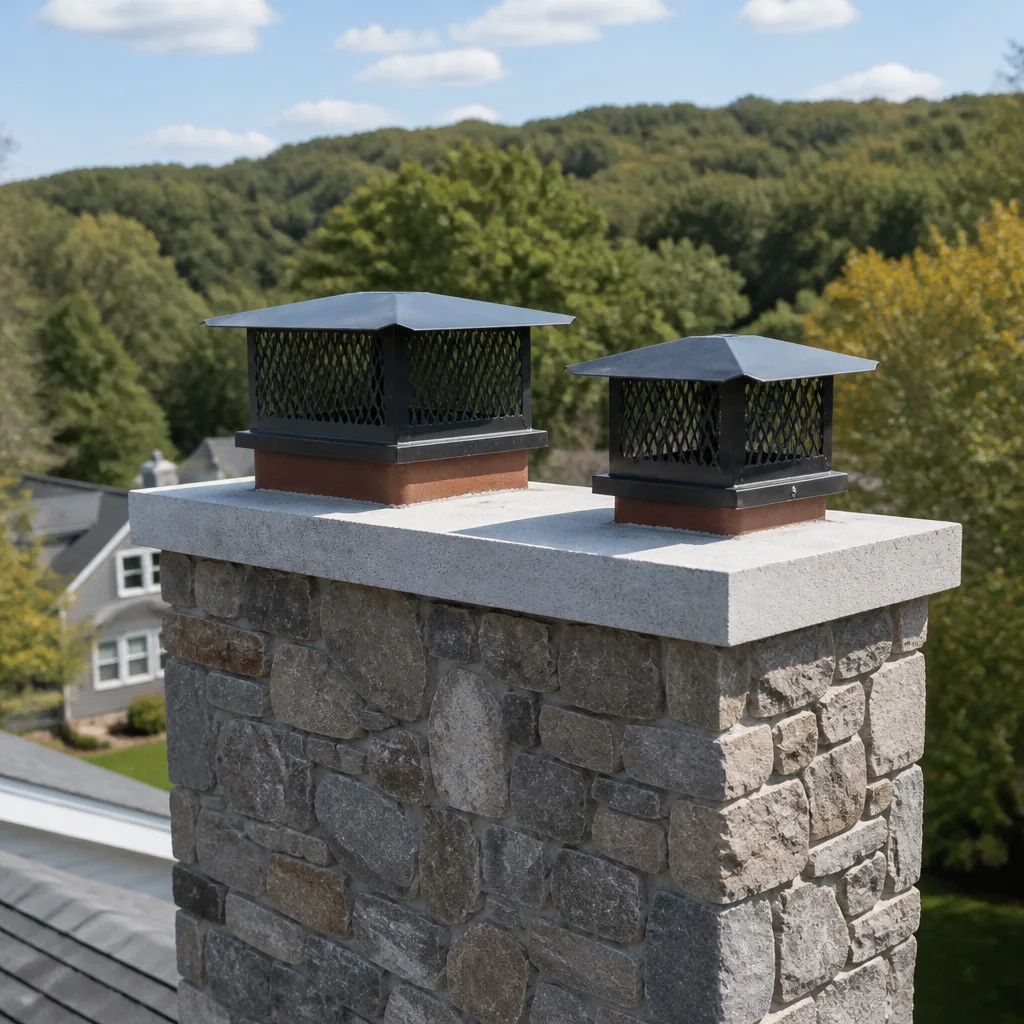
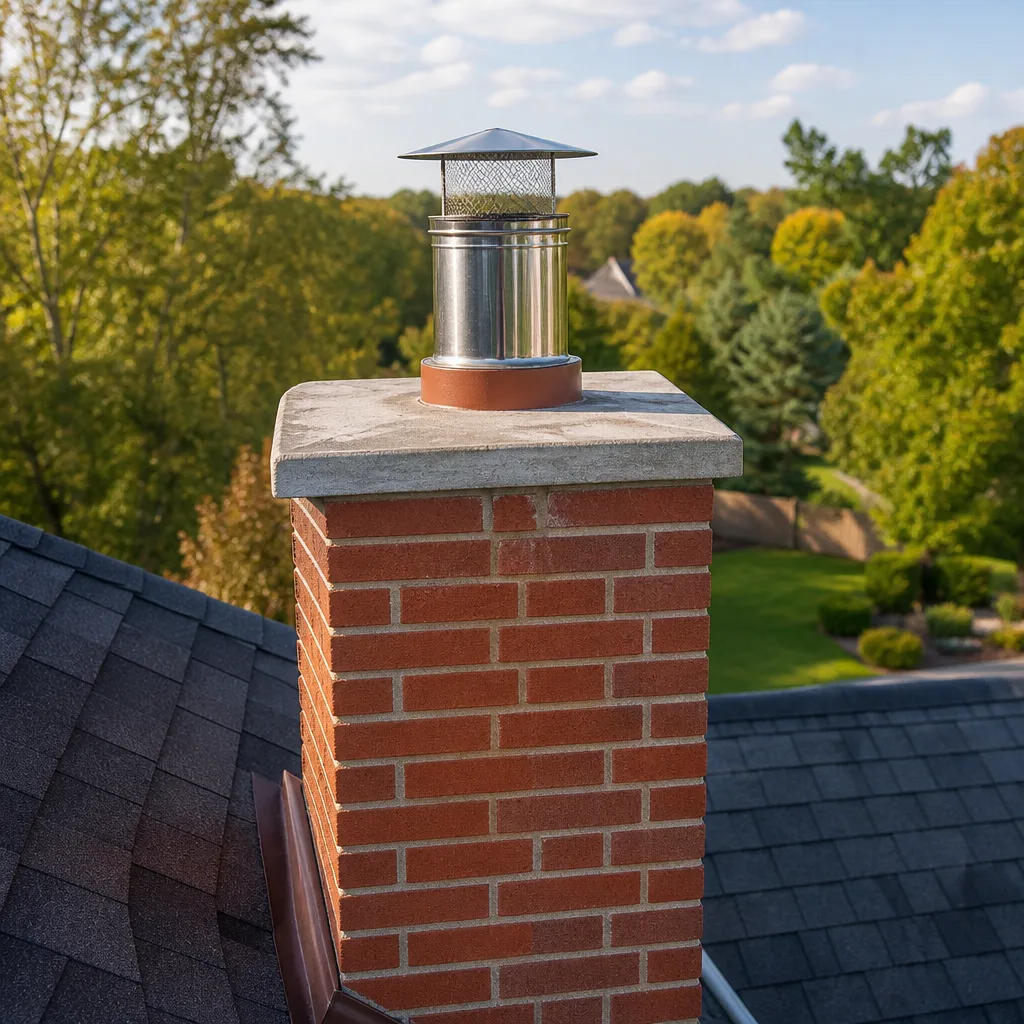
For homes in the Murrieta area with tile roofs, wind damage to the chimney crown is often missed because homeowners focus on roof tiles. The crown is the concrete slab that seals the top of the chimney chase. When wind-driven rain gets into a cracked crown, it soaks into the masonry, and the freeze-thaw cycle (even Murrieta’s occasional overnight frosts) accelerates spalling. A chimney cap from a manufacturer like Gelco or Olympia Chimney, properly installed and sized to the flue, is the first line of defense. Mayflower Chimney Sweep stocks and installs these named-brand components rather than generic parts, so you know exactly what is protecting your flue.
Wildfire Smoke Protocol for Murrieta Homes
When wildfire smoke settles over the Temecula Valley and Murrieta, your chimney is not just idle. An open flue becomes a smoke intake vent, pulling fine particulates into your living room even when there is no fire in the firebox. Here is what to do during a smoke event and what to check before your first burn after the skies clear.
During a wildfire smoke event:
- Close the damper fully. If your damper is the traditional throat-style mounted above the firebox, make sure it is seated firmly. If you have a top-sealing damper, close it as well.
- Close the glass doors on the fireplace if you have them. This creates a second barrier against smoke intrusion.
- Do not run the clothes dryer. A dryer vented to the outside can pull smoky air into the house if the home is depressurized. Dryer vents are chimneys too, and during a smoke event, they work in reverse.
- Run your HVAC fan with a clean filter if your system supports it, but keep the fireplace damper closed regardless.
After the smoke clears:
Wildfire smoke deposits a fine, sticky film inside an open flue. This film is not creosote in the traditional sense, but it attracts and holds moisture, and it can bond with existing creosote deposits to create a thicker, more stubborn coating. Before your first burn of the season, especially if smoke events occurred during the summer and fall, have the flue swept. The smoke residue from a wildfire can also carry chemical compounds from burned structures that you do not want in your home’s air path.
If the smoke event was severe enough that ash accumulated on window sills and cars, assume ash also entered the flue. A quick visual check with a flashlight up the firebox is not sufficient. The ash is fine and light, and it hides in the creosote. A proper sweep by a professional restores the flue to a known clean condition before you introduce flame to it. Our Mayflower Chimney Sweep home page explains the full inspection process we follow on every visit.
Post-Earthquake Chimney Checks: The Elsinore Fault Factor
The Murrieta-Temecula area sits near the Elsinore Fault, which runs along the eastern side of the Santa Ana Mountains and passes within a few miles of Murrieta city limits. Seismologists consider the Elsinore Fault capable of producing magnitude 6.5 to 7.5 earthquakes. Even moderate shaking, in the magnitude 3 to 4 range that Murrieta residents feel every few years, can move a masonry chimney enough to matter.
Here is what seismic activity does to a chimney that looks fine from the street:
- Mortar joints separate. The chimney is a tall, rigid masonry column attached to a house that flexes during an earthquake. The house moves one way, the chimney lags, and the mortar joints at the roofline and along the flue crack microscopically. Over repeated events, those micro-cracks widen.
- Flue tiles shift. Terracotta flue liners are stacked in segments. Earthquake motion can offset one segment from the next by as little as a quarter inch, enough to create a gap where heat and gas can escape into the chimney chase.
- The crown develops radial cracks. The concrete crown at the top of the chimney takes the brunt of the shaking because it sits at the farthest point from the base. Hairline cracks spread from the flue opening outward, letting water in.
- The cap loosens. A metal cap anchored to the crown can work its way loose during shaking. It may look like it’s sitting fine from the ground, but it’s no longer sealed.
After any earthquake you can feel in Murrieta, do this before your next fire:
- Look at the chimney from the ground with binoculars. Check for new cracks in the visible brick or stucco, especially where the chimney passes through the roof.
- Check the firebox and smoke chamber for mortar dust or small debris that shook loose during the event.
- Test the damper. If it binds or moves differently than before, something shifted.
- If you see anything suspicious, schedule a professional inspection. A Chimney Repair in Murrieta specialist can run a camera up the flue to confirm whether the liner is still intact.
This is where Mayflower Chimney Sweep’s full-service capability matters. A sweep-only company can tell you the flue looks damaged. We can sweep it, run a camera, and repair the problem. From the firebox to the cap, sweep, repair, and reline are all handled by one company, not referred out to a third party you have to vet separately.
The First Cold Snap: Pre-Burn Checklist After a Long Off-Season
Murrieta’s climate means fireplaces sit unused for six to eight months. That long off-season is exactly when problems develop: dust settles, birds or rodents nest in the flue, moisture seeps into masonry, and creosote from last season hardens into a glassy, dense coating. The first cold snap in late October or November brings everyone back to the fireplace at once, and that is when we see the highest volume of emergency calls.
Here is the Chimney Sweep Maintenance Checklist for Murrieta Homeowners we recommend before the first fire of the season:
- Check for animal nests. Look up the flue with a flashlight from the firebox. Listen for rustling or chirping. If you suspect a nest, do not burn it out. Call a professional to remove it and sweep the flue.
- Open the damper fully and confirm it stays open. A damper that has rusted or shifted over the summer will not draft properly and will smoke up your living room.
- Check your carbon monoxide detectors. Every floor, especially near sleeping areas. Replace batteries if your detectors are not sealed units. If your detectors are older than seven years, replace them.
- Look at the chimney cap with binoculars. Confirm it is still seated and the screen is intact. If the cap needs replacement, choose a branded component like Famco or Copperfield, which Mayflower Chimney Sweep installs, so you know the material quality.
- Check the firebox walls for cracks in the refractory panels or brick. Cracks allow heat to reach the framing behind the firebox.
- Have the flue swept if it has been more than a year since the last cleaning, or if you burn more than one cord of wood per season, or if you notice any creosote buildup on the firebox walls.
If you skip the sweep and the flue has a season’s worth of creosote in it, you are building a fire inside a pipe lined with fuel. The first cold snap is not the time to discover that.
What to Have on Hand: Emergency Supplies for Chimney Safety
Emergency preparedness for a chimney is not about buying a lot of gear. It is about having the right four things and knowing how to use them.
- A fireplace-rated fire extinguisher. Not a standard kitchen extinguisher. A Class B or ABC extinguisher rated for grease and oil fires works for a firebox fire. Keep it within reach of the fireplace, not in the kitchen. The one action that stops a chimney fire from becoming a structure fire is closing the damper and calling the fire department. Both take less time if you know your damper and have your phone.
- Carbon monoxide detectors on every floor. A cracked flue or a blocked chimney can route carbon monoxide into the house without any visible smoke. If you have gas logs or a gas water heater vented through the chimney, this is non-negotiable.
- A damper you can operate with confidence. Every adult in the house should know how to open and close the damper. In an emergency, that knowledge is more valuable than any tool.
- The phone number of a Murrieta chimney professional. Write it down. Put it in your phone. When something goes wrong, you do not want to be searching.
For homes with dryers, add a fifth item to the list: a clear understanding of when the dryer vent was last cleaned. Lint accumulation in a dryer vent is a leading cause of household fires. Dryer Vent Cleaning in Murrieta is part of the same safety discipline as chimney maintenance. Dryer vents are chimneys too, and just as important to maintain.
Remember the single most important action if you suspect a chimney fire is happening right now: close the damper to cut off the air supply, get everyone out of the house, and call 911. Do not open the damper to check on it. Do not pour water on a hot firebox. Water can crack hot masonry and create a steam burst that spreads burning material.
Common Mistakes to Avoid
- Burning after a chimney fire because the fire “went out on its own.” The fire going out means the creosote fuel was consumed, not that the flue is safe. A burned-out flue is cracked until proven otherwise by a camera inspection.
- Assuming the chimney cap is fine after a Santa Ana event. Wind damage to caps is often invisible from the ground. Climb up or have a professional check it. A damaged cap is the difference between a chimney that works and a flue full of leaves.
- Leaving the damper open during wildfire smoke. An open damper is an open vent. During Murrieta’s worst smoke events, the air inside your house can be worse than outside if the flue is pulling smoke in.
- Skipping the post-earthquake check because “the house is fine.” The house may be fine and the chimney may not be. They are different structures attached to each other, and they flex differently.
- Building a fire after the off-season without checking for nests. A bird or squirrel nest in the flue is a blockage. Burning it out is a chimney fire waiting to happen.
- Using the fireplace as a heat source during a Santa Ana wind event. Downdrafts will push smoke into the house. Wait for the wind to settle. Your fireplace is a luxury heat source, not an emergency heat source during high wind.
- Assuming a gas fireplace needs no maintenance. Gas fireplaces produce less creosote, but they still need annual inspections for burner operation, venting, and carbon monoxide production. The venting system can block or corrode just like a wood-burning flue.
When to Call a Professional
Call a chimney professional in Murrieta after any suspected chimney fire, any earthquake you can feel, any Santa Ana event that leaves visible damage, or any season where the fireplace has sat unused for more than six months. For details on local requirements, see Chimney Cleaning Permits, Codes & Inspections in CA: What You Need to Know. If you smell asphalt or tar near the fireplace, if smoke spills into the room on calm days, if you see mortar dust in the firebox, or if the damper suddenly operates differently, stop burning and schedule an inspection.
Mayflower Chimney Sweep offers free estimates in Murrieta. Call (877) 819-0285 to schedule a chimney inspection or sweep. We tell you what we find, in plain language, before we touch anything.
Frequently Asked Questions
You may have had a chimney fire if you notice an asphalt or tar-like smell around the fireplace, honeycomb-textured creosote on the flue walls, cracked flue tiles, creosote flakes in the firebox, or a change in how the fireplace drafts. These signs indicate the creosote burned inside the flue, and the chimney needs a professional inspection before you use it again.
Stop using the fireplace, close the damper, and schedule a professional chimney inspection before building another fire. A chimney fire can crack the flue liner, and burning again with a cracked liner can route heat directly into the framing of your home.
Yes, close the damper fully during a wildfire smoke event to prevent smoke from entering your home through the flue. Also close fireplace glass doors if you have them and avoid running a clothes dryer that vents outside, which can pull smoky air into the house.
The National Fire Protection Association recommends a chimney sweep when creosote buildup reaches 1/8 inch or more, which for most wood-burning homes in Murrieta means at least once per year if you burn regularly. Even if you burn infrequently, an annual inspection catches animal nests, cap damage, and water intrusion before they become problems.
Not always, but a chimney fire damages terra cotta flue liners frequently enough that a camera inspection is the only way to know. If the liner is cracked, the repair may involve a stainless steel relining system like DuraFlex or a sealant system like HeatShield. Mayflower Chimney Sweep installs both and can show you the camera footage before recommending any work.
Earthquakes near the Elsinore Fault can crack mortar joints, shift flue tiles, loosen the chimney cap, and crack the crown, often without visible damage from the street. After any earthquake you can feel, inspect the chimney from the ground with binoculars and schedule a professional inspection if you see cracking or mortar dust in the firebox. Call Mayflower Chimney Sweep at (877) 819-0285 for an inspection.
Yes. The most effective prevention is regular sweeping to remove creosote before it reaches a combustible thickness, burning only seasoned hardwood that has dried for at least six months, and maintaining a hot, clean-burning fire rather than a smoldering one. Annual inspections catch the early warning signs that lead to chimney fires.
Yes. Mayflower Chimney Sweep handles chimney sweeping, repair, relining, and dryer vent cleaning for Murrieta homes. We inspect, diagnose, and repair under one roof, using named-brand materials like DuraFlex liners, HeatShield sealant, and Copperfield caps. Call (877) 819-0285 to schedule.
The Bottom Line
Emergency chimney preparedness in Murrieta is about recognizing the specific ways this region stresses a chimney: Santa Ana winds that damage caps and drive downdrafts, wildfire smoke that deposits residue in an open flue, earthquakes from the Elsinore Fault that crack mortar and shift liners, and a long off-season that hides animal nests and hardens creosote. After any suspected chimney fire, stop burning and get a professional inspection before the next fire. Keep a fireplace-rated extinguisher and working CO detectors on hand. Know your damper. And keep a Murrieta chimney professional’s number where you can find it. For more guides & resources, visit our blog. Built to last, not just cleaned and cleared, starts with knowing what to look for.
Written by the team at Mayflower Chimney Sweep, serving Murrieta since 2013.
See the difference
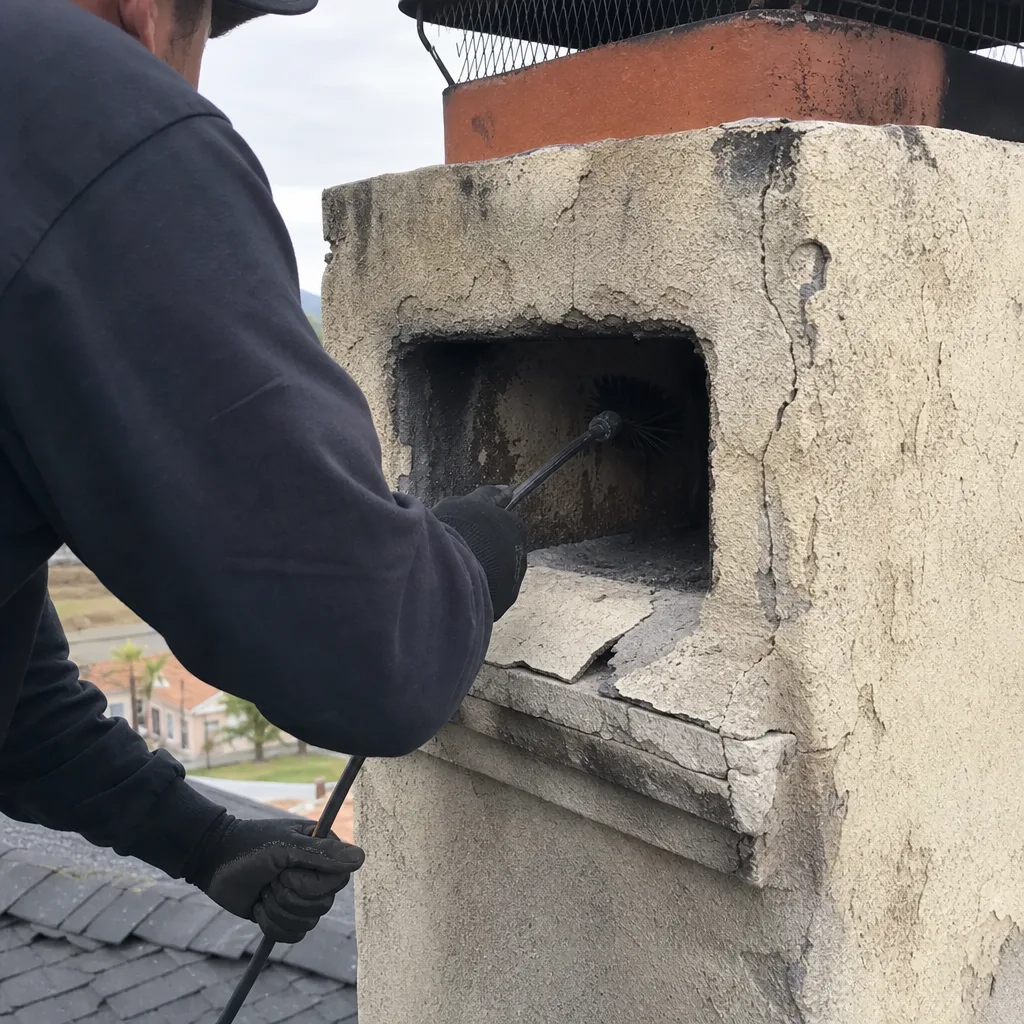 Before
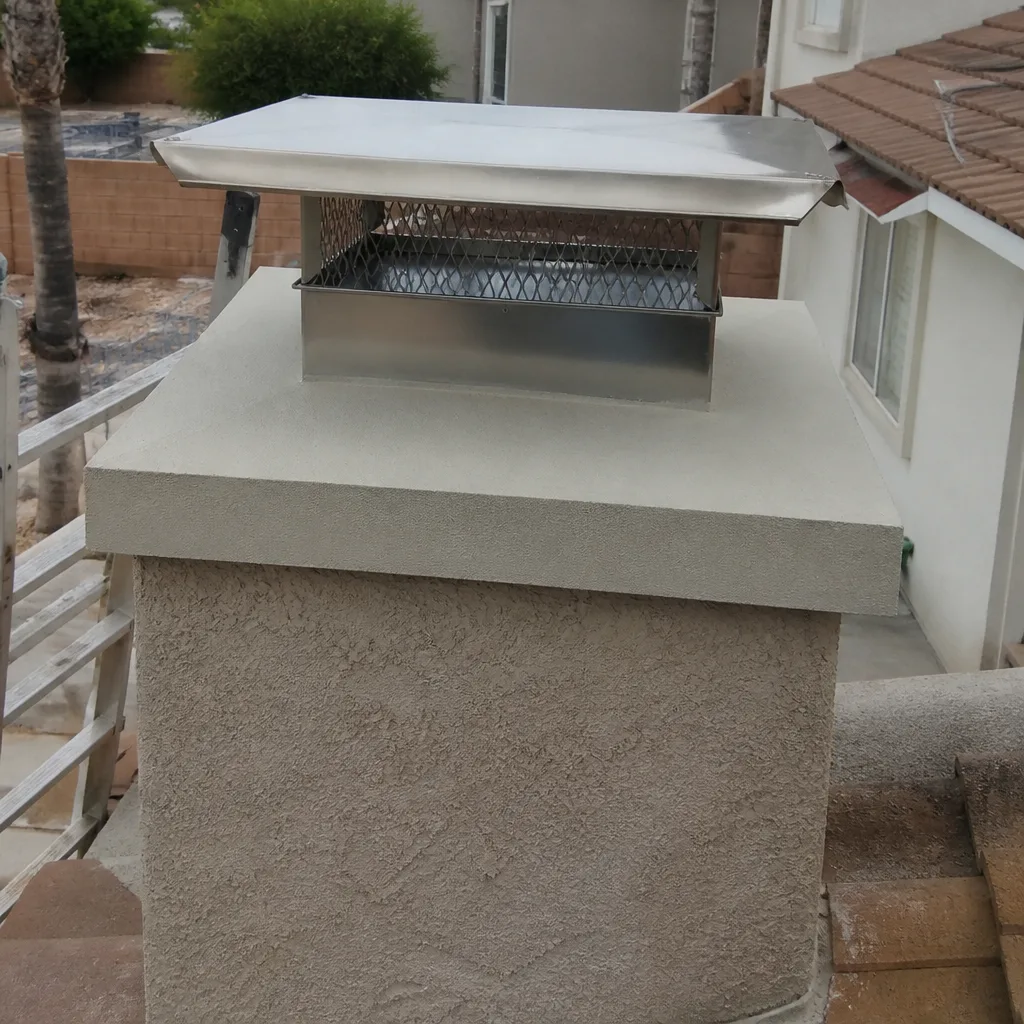 After
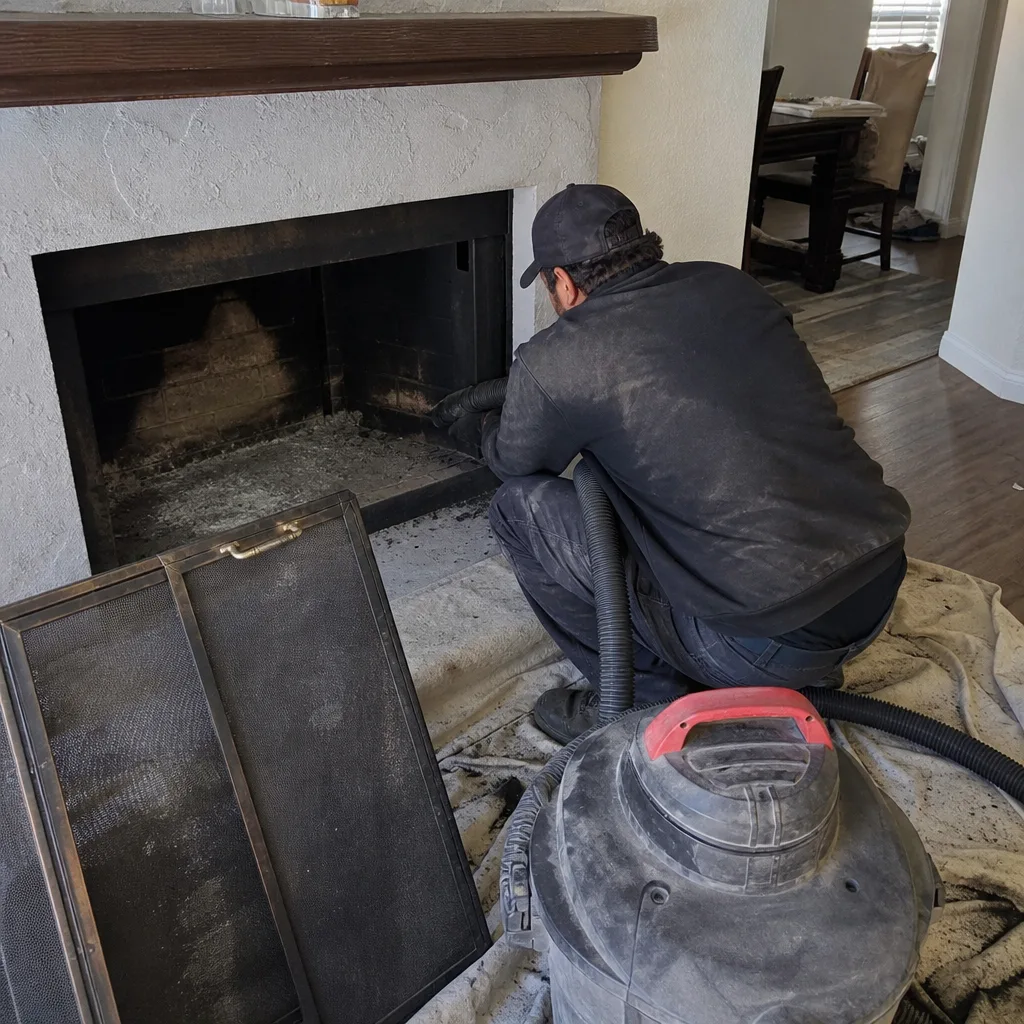 Before
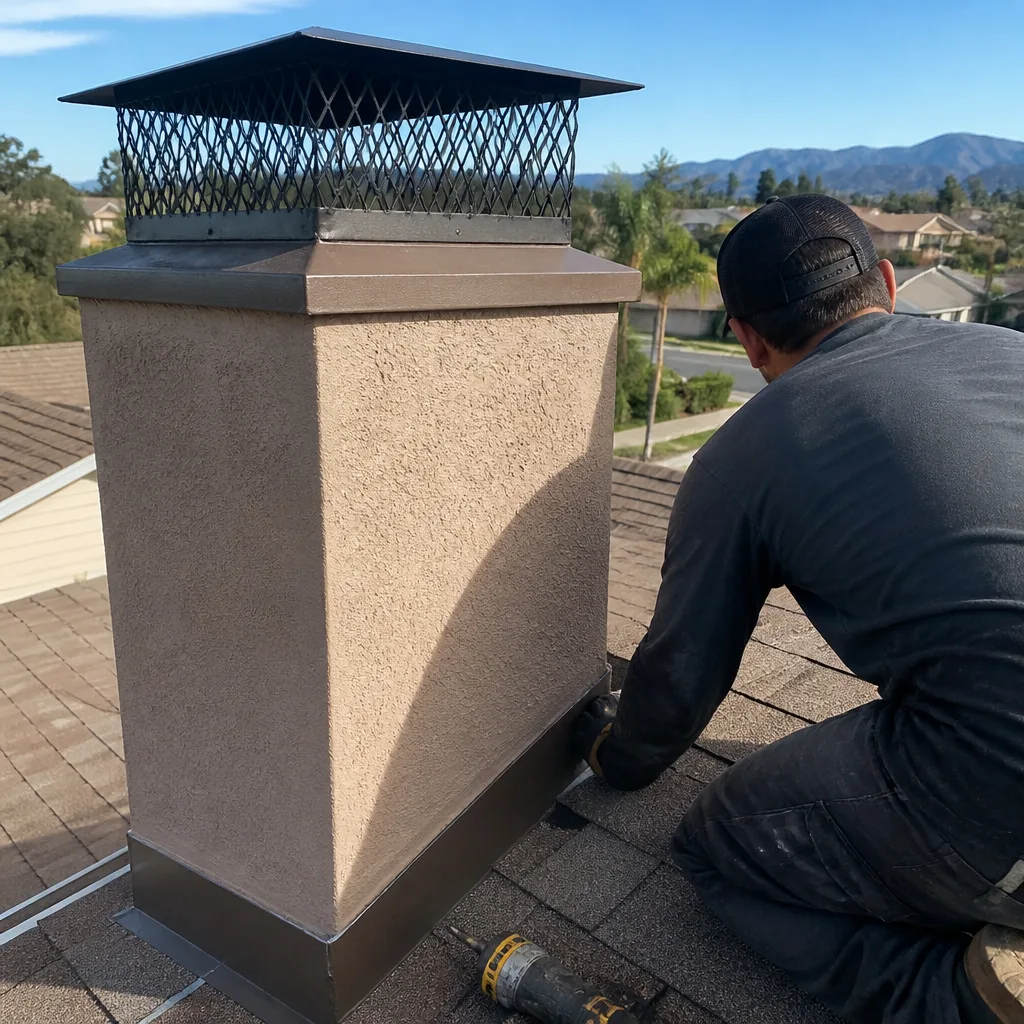 After
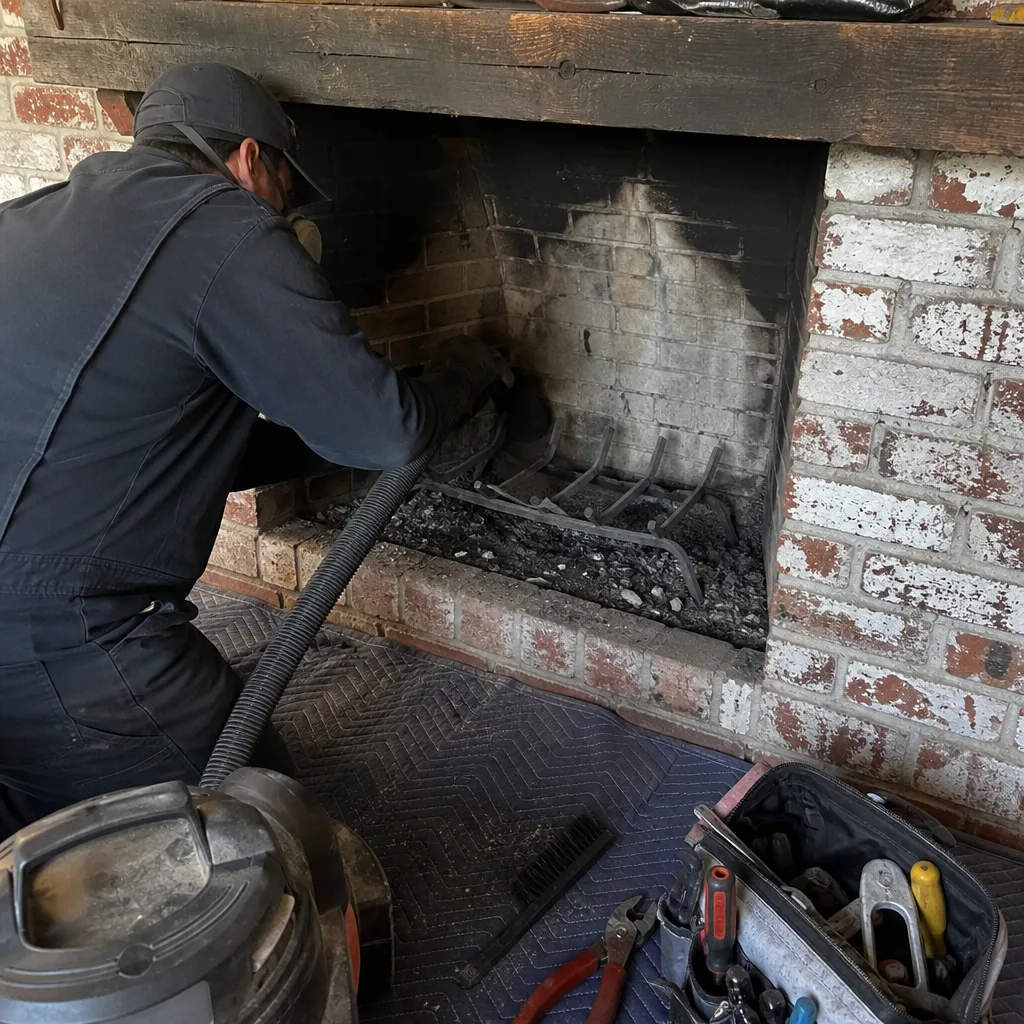 Before
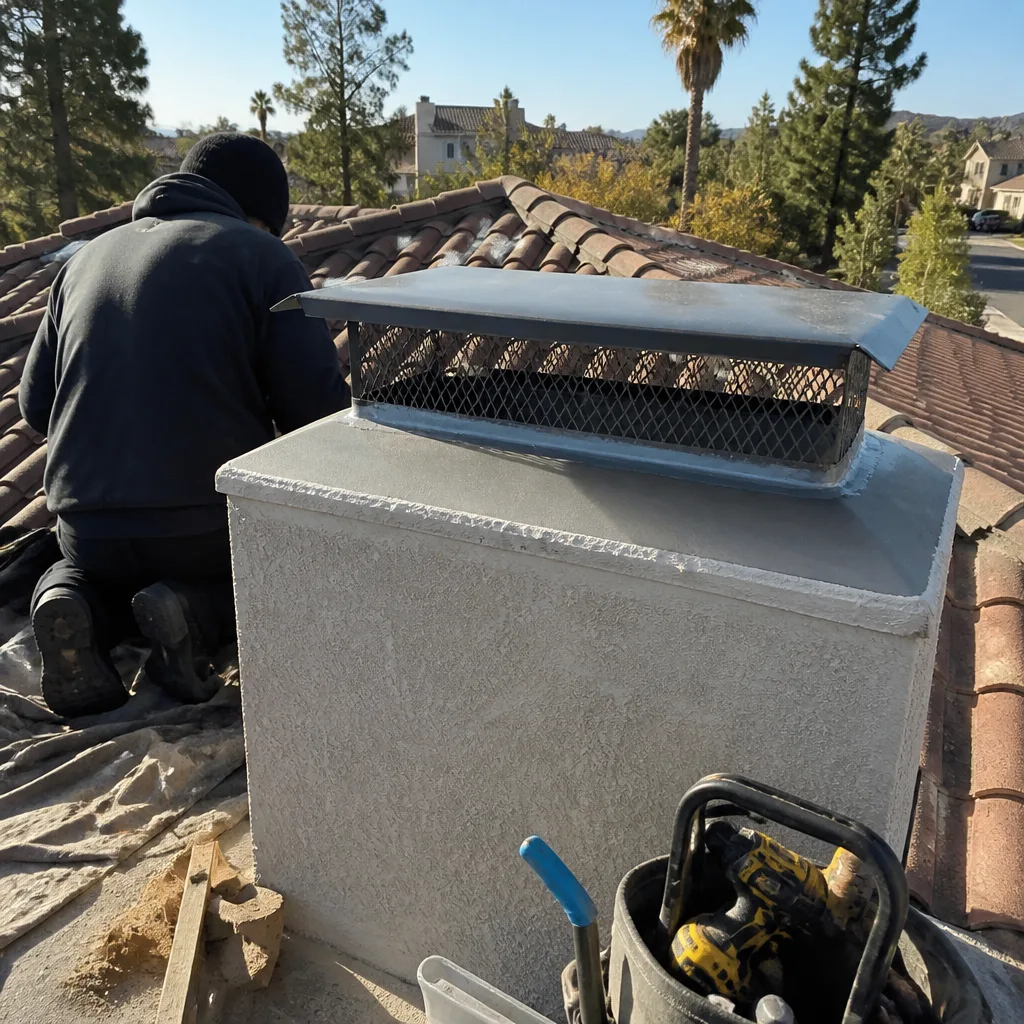 After