Last updated October 30, 2026
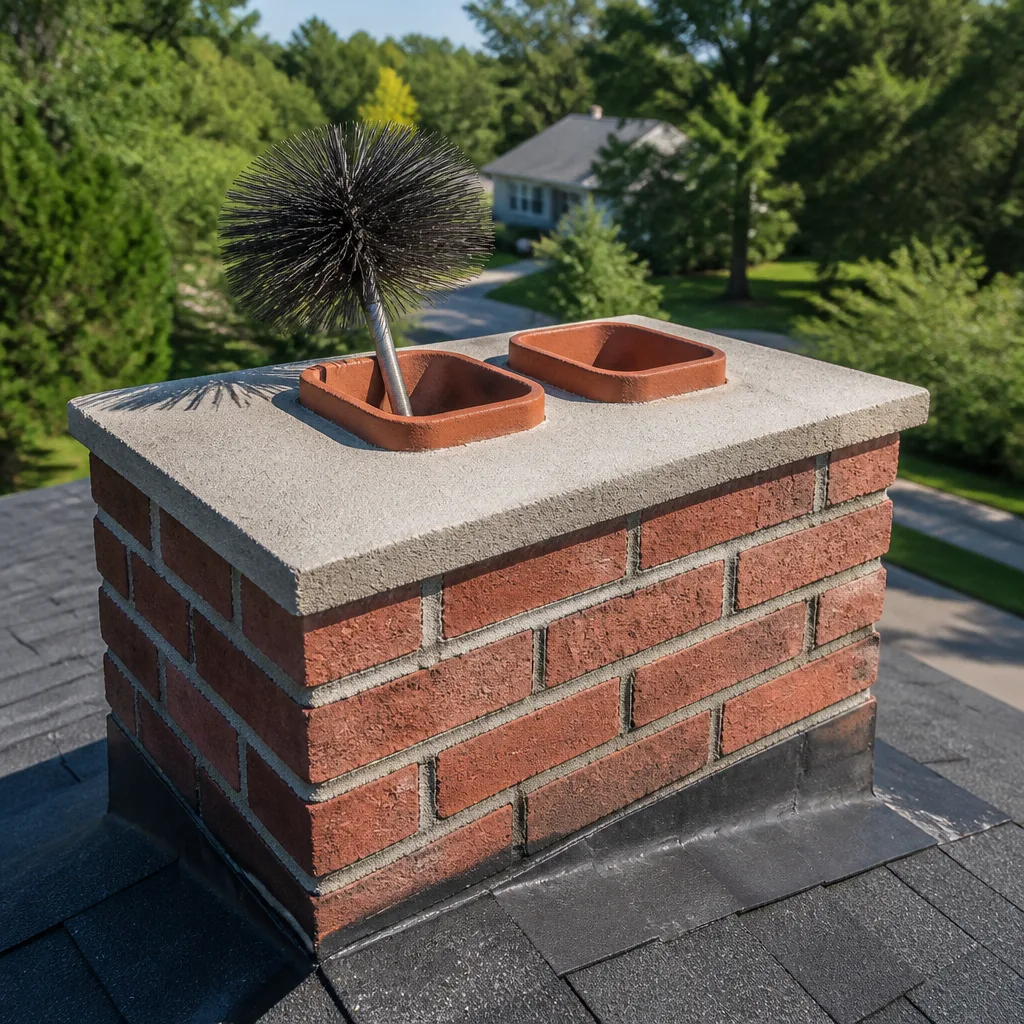 Sweep & inspection
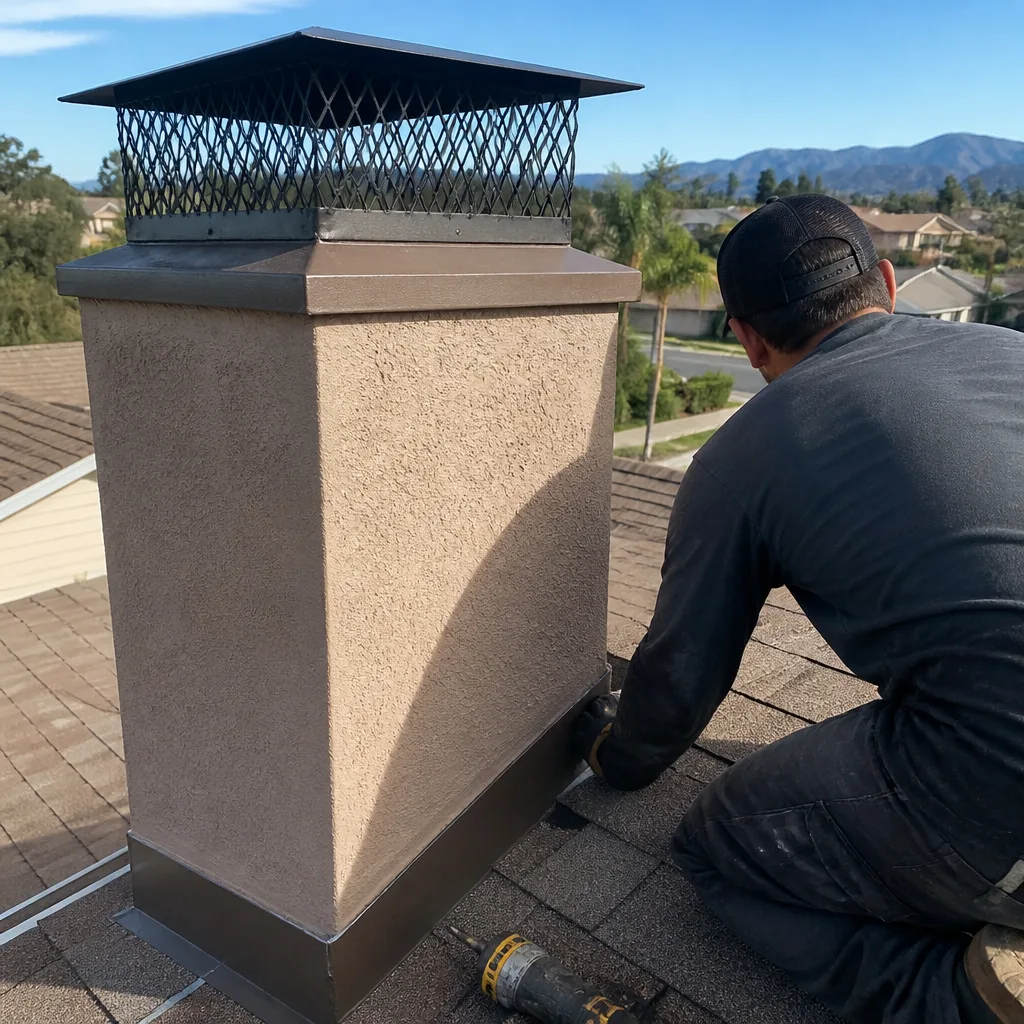
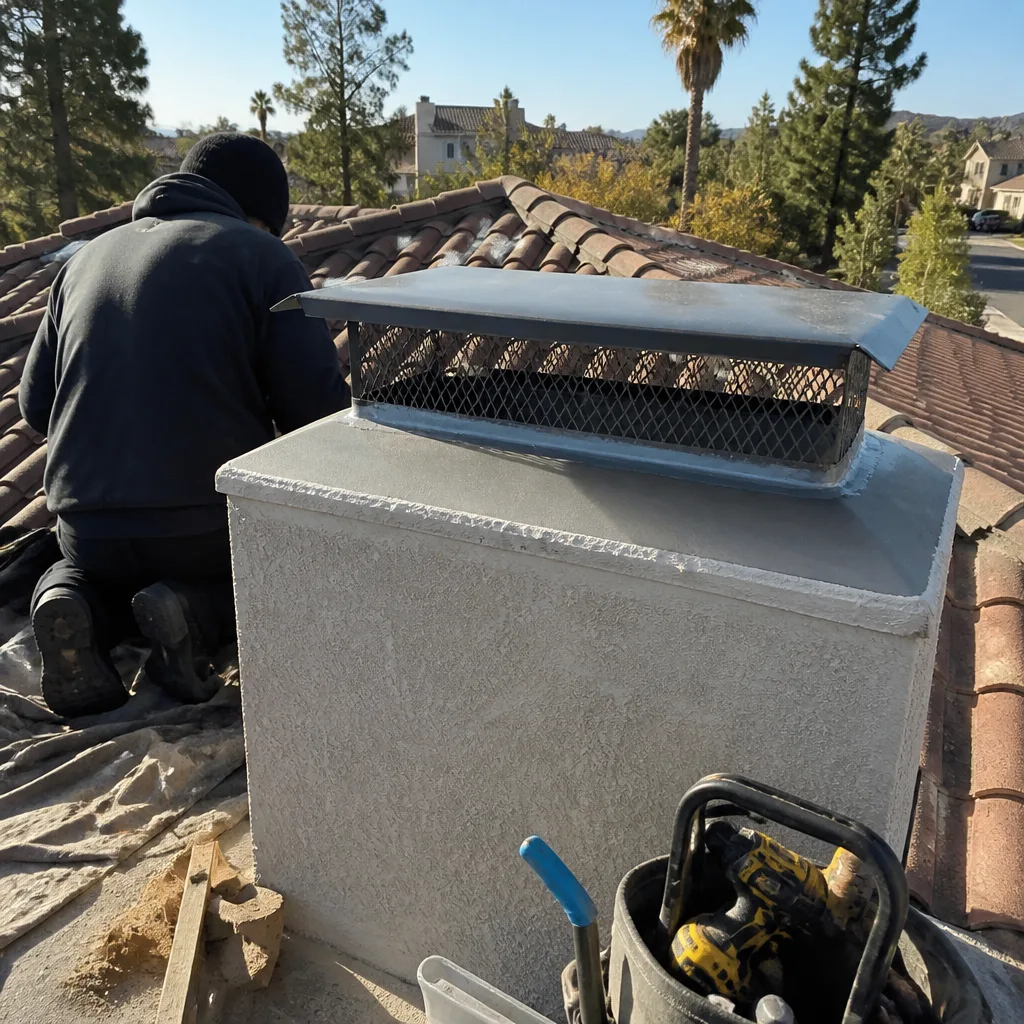
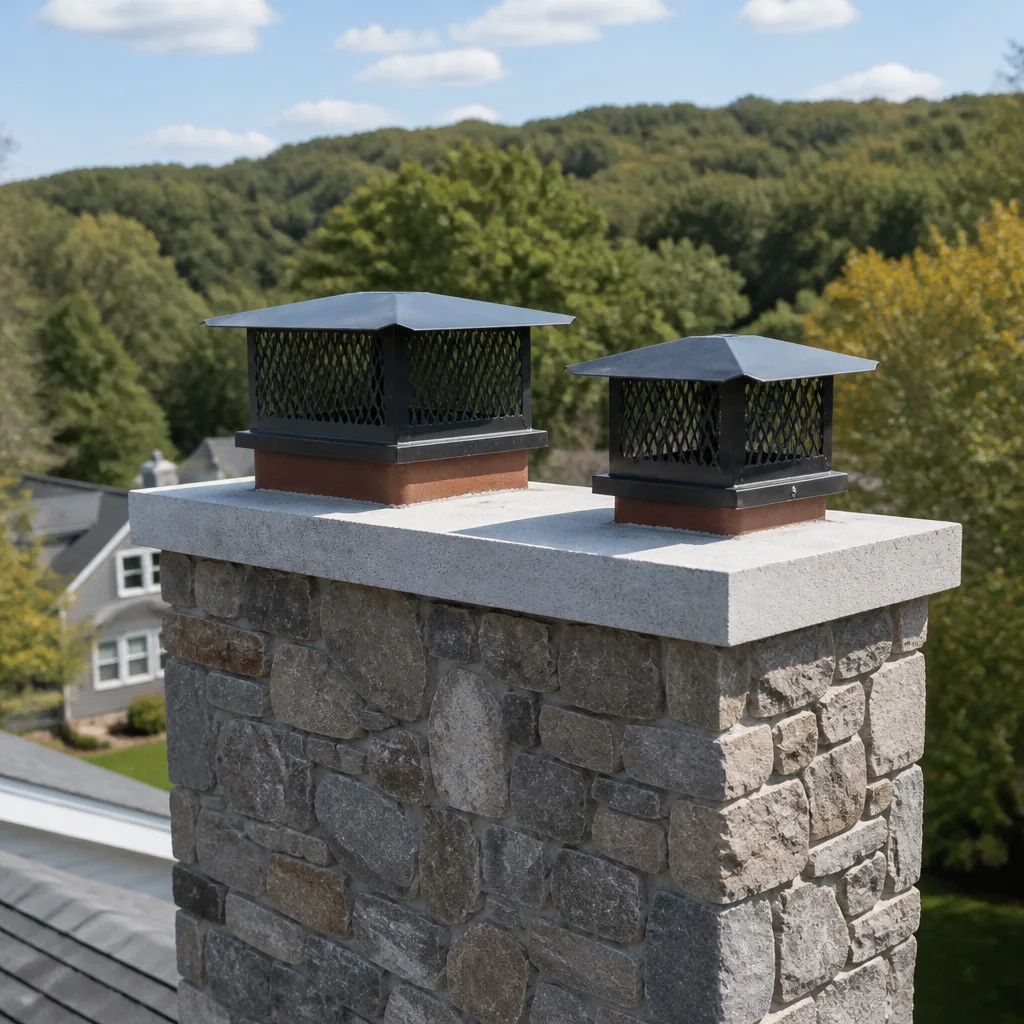 Caps & crowns
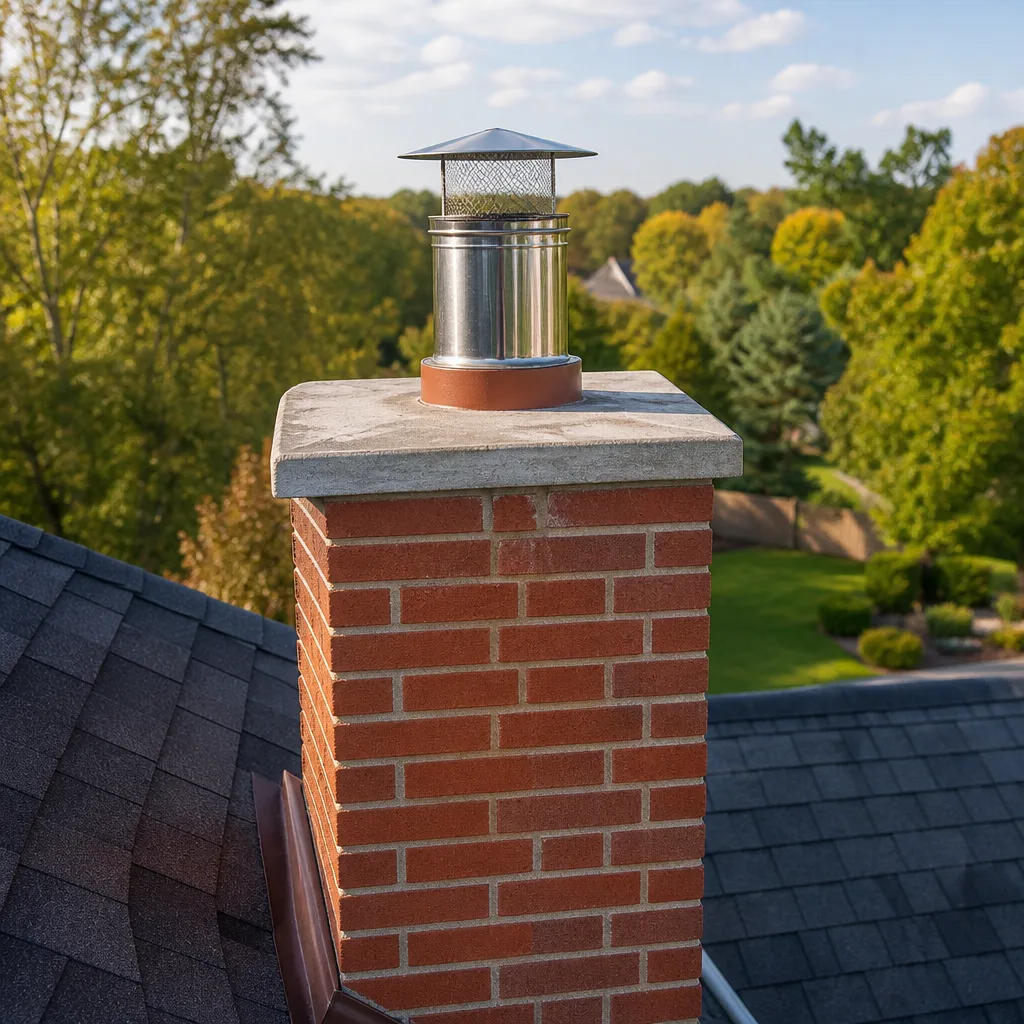 Flue relining
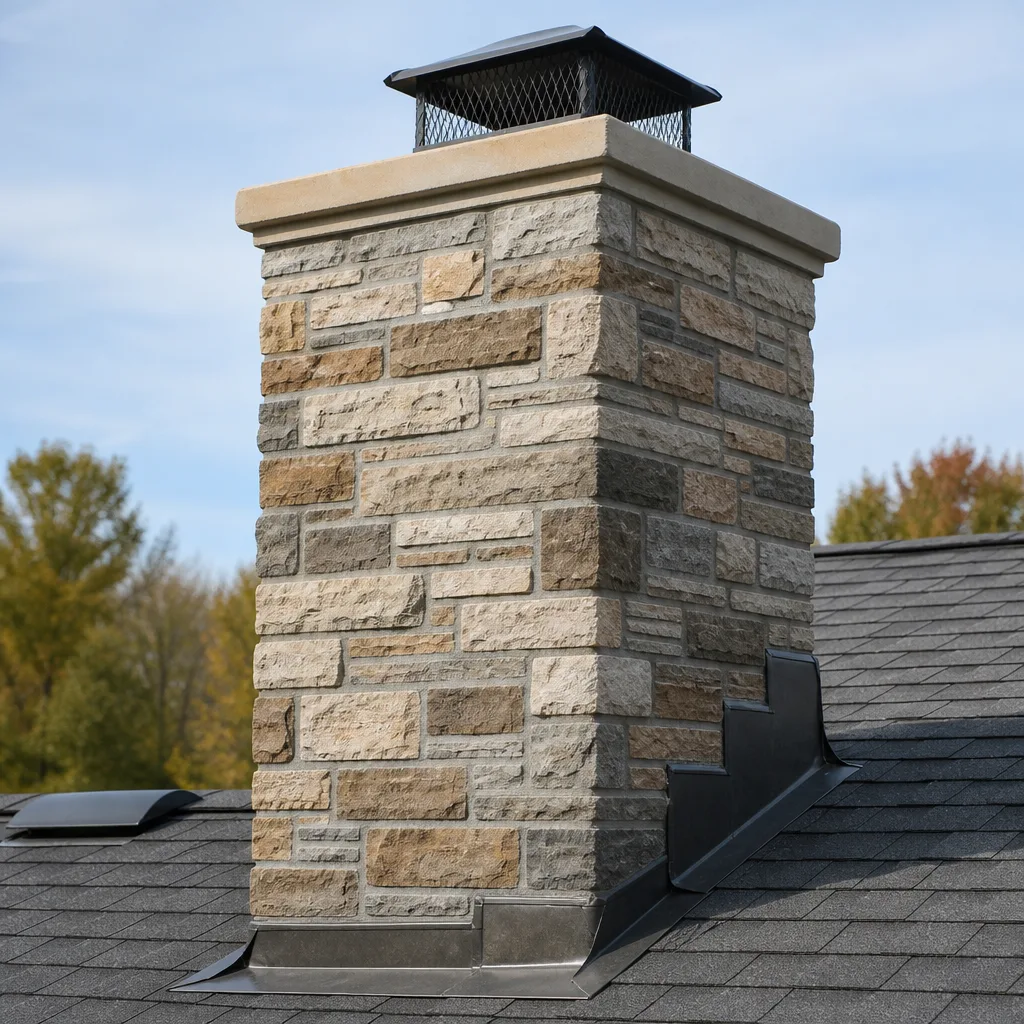 Masonry repair
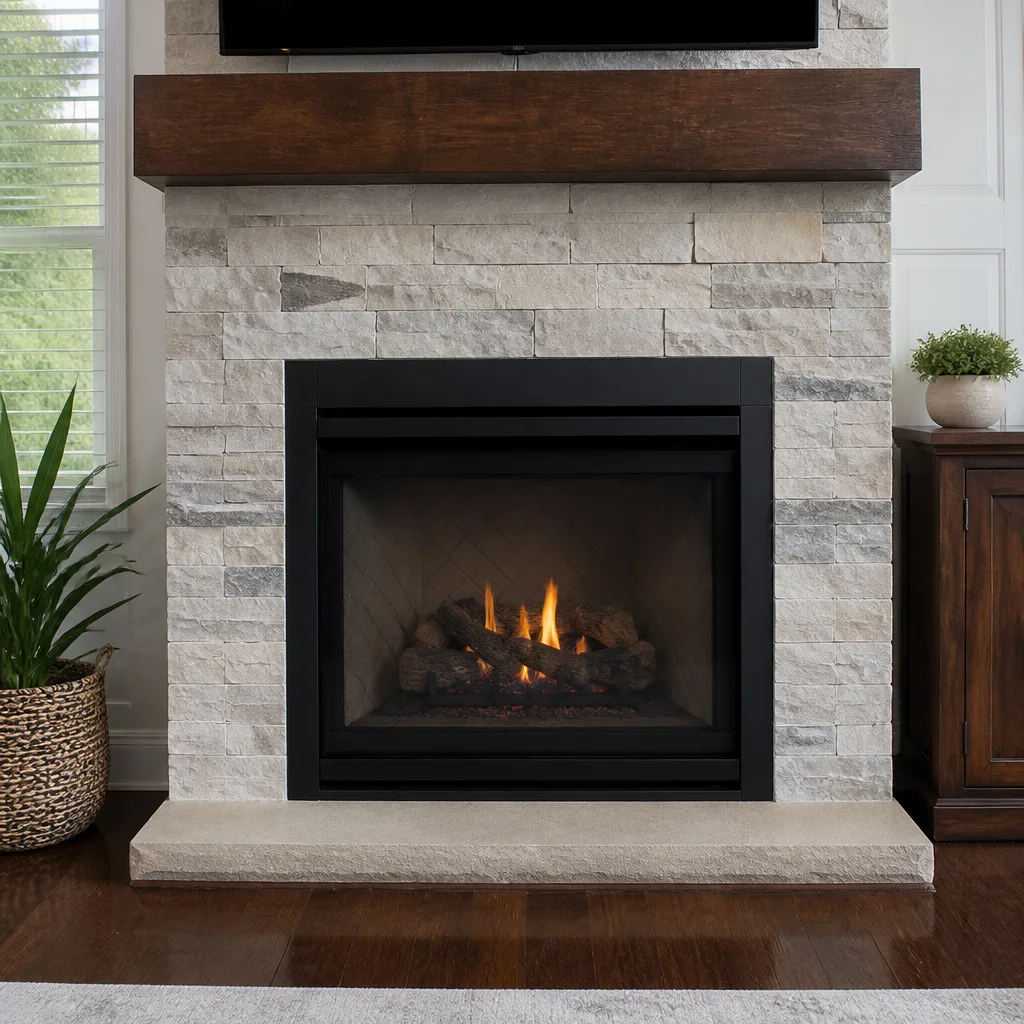 Gas fireplace service
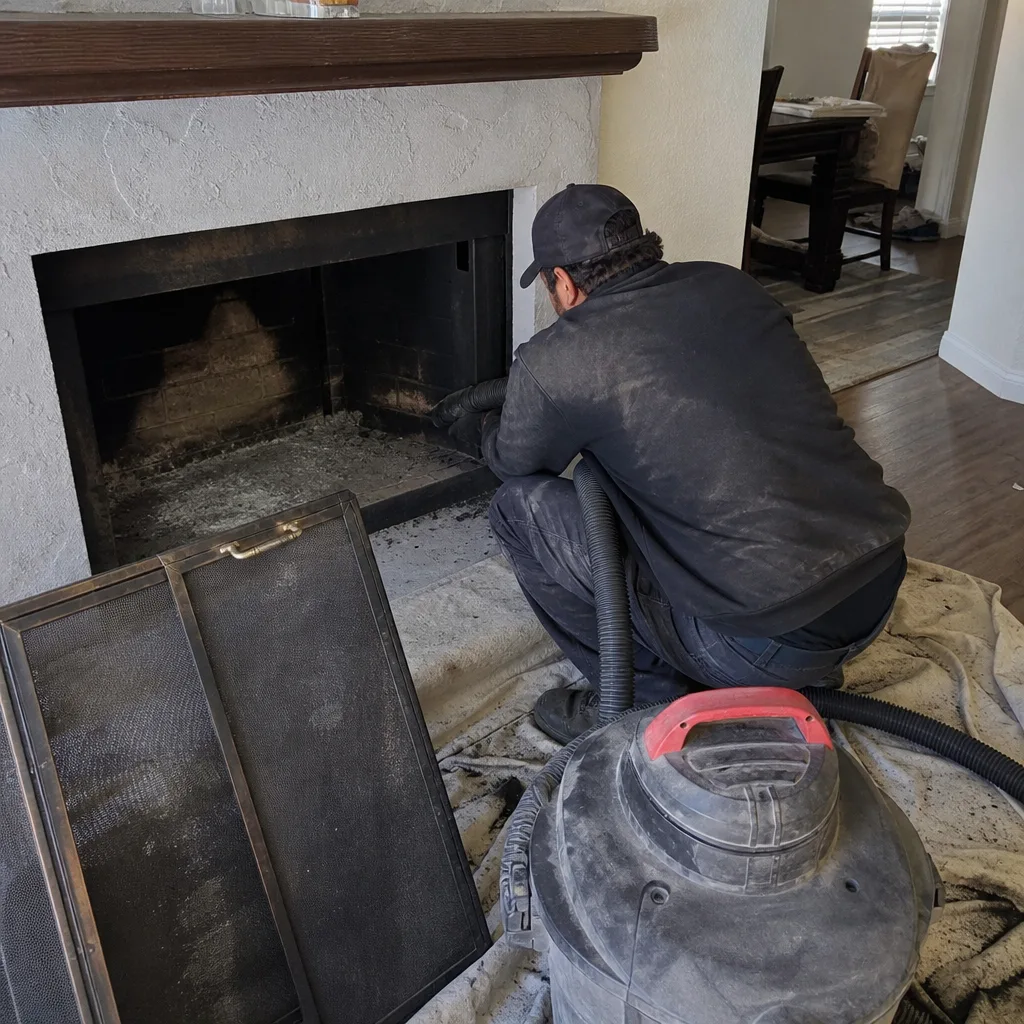
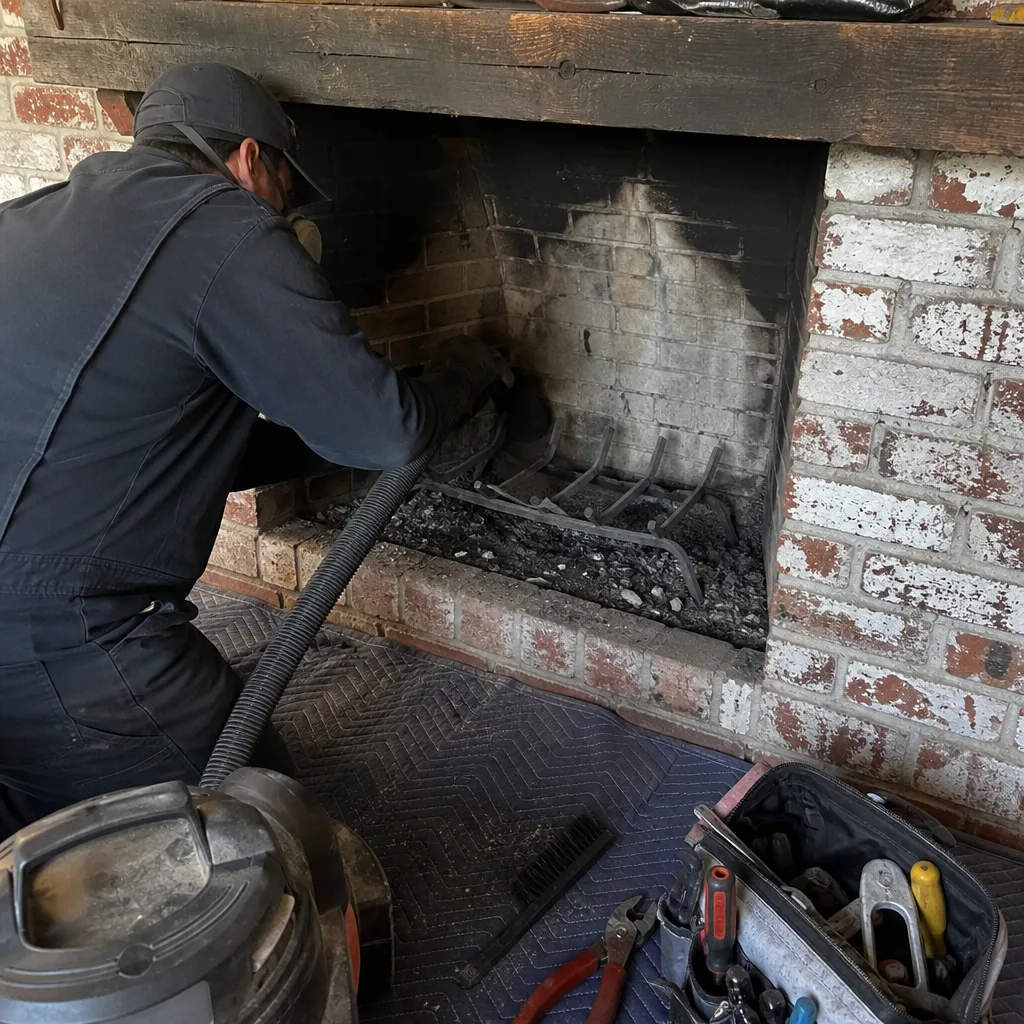
Level 1 sweep and inspection to the NFPA 211 annual standard - flue, crown, cap, and flashing checked and photographed
Chimney sweep logs do not sweep chimneys. They loosen some creosote - which then falls where a brush and vacuum still have to collect it.
Chimney Cleaning Warning Signs: A Murrieta Homeowner’s Reference Guide
A white stain running down the outside of a chimney looks like a cosmetic problem. It is not. That white, chalky residue is efflorescence, and it means water is moving through the masonry. By the time you can see it from the ground in Murrieta, the chimney has already passed the point where cleaning alone fixes anything. Most homeowners read the warning signs wrong because they have been told what to look for without being told what those signs actually mean mechanically. This guide explains the cause behind each symptom so you can triage accurately instead of waiting for a crisis. You will learn what quiet signals matter, which ones can wait, and when a professional needs to get involved.
Quick Answer
The most common chimney warning signs Murrieta homeowners see are a white chalky stain on the exterior masonry, smoke rolling into the living room, a persistent campfire-like odor in warm weather, visible rust on the damper or firebox, and a fire that is hard to start or refuses to burn hot. Each of these points to a specific mechanical problem: moisture intrusion, draft failure, creosote buildup, cap or crown damage, or restricted airflow. When any of these appear, a professional inspection is the next step, because none of them resolve on their own.
Styles & brands we work with
Table of Contents
- Efflorescence, Spalling, and Mortar Cracking: Reading the Stages of Moisture Damage
- Smoke Rollout Into the Room: Five Causes and How to Tell Them Apart
- Odor Patterns: Creosote vs. Animal Intrusion vs. Moisture and Mold
- Visible Rust on the Damper or Firebox: What It Reveals Before You Go on the Roof
- A Fire That Is Hard to Start or Stays Small: Airflow, Not User Error
- Masonry vs. Prefab Chimneys: Why the Warning Signs Look Different in Murrieta Homes
- What Each Warning Sign Means for Repair Scope and Cost
Efflorescence, Spalling, and Mortar Cracking: Reading the Stages of Moisture Damage
Moisture is the slowest, quietest, and most expensive problem a Murrieta chimney can have. It never announces itself with a bang. It shows up as a change in the surface of the masonry, and each stage tells you how far the damage has progressed.
Efflorescence is the white, powdery deposit on brick or stone. It forms when water enters the masonry, dissolves the natural salts inside the brick and mortar, carries them to the surface, and evaporates. The water goes back into the air, the salt stays behind. The stain itself is not structural damage, but it is proof that water is traveling through the chimney system. In Murrieta, where winters bring periodic rain and summer heat dries everything fast, efflorescence cycles are common on chimneys with failing caps or damaged crowns. If you wipe it away and it returns within a season, the water source has not been fixed.
Spalling is the next stage. This is when the brick face itself starts to flake, crumble, or pop off in pieces. What happens is simple: water trapped inside the brick expands and contracts with temperature swings, and the surface of the brick fails under the pressure. Murrieta sees wide temperature shifts between cool nights and hot afternoons, which accelerates spalling once water gets in. Spalled brick is not cosmetic. Each spalled brick exposes the softer interior of the masonry to even more water absorption, which speeds the deterioration of the entire structure.
Mortar cracking often appears before or alongside spalling. Small hairline cracks in the mortar joints are early warning. Wider cracks, or joints where the mortar has turned sandy and begun to fall out, are a signal that the structural bond in the chimney is weakening. Mortar joints are the chimney’s shock absorbers. Once they degrade, the brick shifts, more water gets in, and the cycle accelerates.
Here is the repair scope at each stage:
- Efflorescence only: Usually fixable by correcting the water entry point (a new cap, crown repair, or flashing repair) and cleaning the masonry. Lower-cost, but do not ignore it. This is your earliest and cheapest exit from the problem.
- Spalling on one or two bricks: Brick replacement plus mortar repointing around the damaged area, plus fixing the water source. Moderate cost. If you skip the water-source fix, the new brick will spall too.
- Spalling across multiple bricks and wide mortar cracks: Partial or full rebuild of the affected chimney section. This is where the cost rises significantly. In our experience, chimneys that reach this stage are usually the ones where efflorescence was visible for years and was dismissed as a stain.
One thing we see often in Murrieta neighborhoods with older homes: a homeowner scrubs off efflorescence every spring, decides it is just how the chimney looks, and does not address the water entry. Three or four years later, the chimney needs a rebuild. The stain is the message. It is never just a stain.
Smoke Rollout Into the Room: Five Causes and How to Tell Them Apart
Smoke coming into the living room is the warning sign homeowners take most seriously, and for good reason. It means the chimney is not performing its only job: removing combustion gases from the house. But “the chimney is clogged” is only one of five possible causes, and treating the wrong one can mean paying for a fix that does not work.
Here are the five distinct causes of smoke rollout and how to tell them apart:
- Draft failure. The chimney needs a temperature difference between the outside air and the air inside the flue to create an upward draft. On cold Murrieta mornings, the air inside the flue is cold and dense and wants to sink, not rise. If you light a fire and smoke immediately billows into the room before the chimney warms up, draft failure is the suspect. A properly primed chimney (warming the flue first) or a draft correction can fix this. If smoke rolls out even after the flue is warm, move down this list.
- Blockage. A nest, a dead animal, or a large amount of creosote can physically narrow the flue. The classic sign is that the chimney worked fine last season, and now smoke rolls out from the first fire. Blockages do not develop gradually. They happen between burn seasons. In Murrieta, spring nesting season is the prime cause.
- Firebox geometry. Some fireplaces are built with an opening that is too large or too shallow for the flue they are attached to. This is a design issue, not a failure. The symptom is smoke rollout that has always happened, from the very first fire, regardless of weather or damper position. Smoke guards or firebox modification can address this.
- Damper damage. A damper that does not open fully, or one that loosened from its mounts and swings partially closed when heated, will restrict the flue opening enough to push smoke backward. The symptom is smoke rollout that worsens after the fire has been burning for a while, not just at startup.
- Liner obstruction. A cracked or collapsed clay tile liner, or a deteriorated metal liner, can create a ledge inside the flue that catches smoke and sends it backward. This is the most serious cause. The symptom is rollout on startup that persists despite an open damper, a clean flue, and a properly drawn fire. This typically requires a camera inspection to diagnose, because you cannot see it from the top or the bottom.
When you describe the smoke issue to a sweep, be precise. Tell them when the smoke rolls out (on startup only, or the entire time the fire burns), what the weather is like, and whether this started recently or has always happened. That timing is what separates a simple primer fix from a liner replacement. Our Chimney Sweep in Murrieta process includes that diagnostic interview, because getting the history right before we touch anything is what prevents misdiagnosis.
Safety note: smoke inside the house is carbon monoxide exposure. If smoke rolls out, do not keep burning. Open the damper fully, extinguish or let the fire die down, and get the chimney inspected before lighting another fire. The invisible part of the smoke is the greater hazard.
Odor Patterns: Creosote vs. Animal Intrusion vs. Moisture and Mold
Odor is the warning sign homeowners most often rationalize away. A slight smell in the living room during summer gets blamed on the weather, the neighborhood, or an old house. But a smell coming from the fireplace is a diagnostic signal, and each odor pattern tells a different story.
The creosote smell is a dense, tar-like, sweetish odor, strongest on hot or humid days and most noticeable in rooms adjacent to the fireplace. What is happening: the creosote deposits inside the flue are warmed by the outdoor heat and release volatile compounds. The smell travels down the flue because warm air moves upward, pulling the vapors into the cool interior of the house. In Murrieta, where summer days routinely climb into the 90s, a creosote smell can be strong enough to fill the room even when the fireplace has not been used in months. This is the single most common reason chimney sweeps get called in between May and October. The smell means the flue is coated with enough creosote that its volatile load is noticeable. In other words, the chimney is dirty enough to smell.
The animal intrusion odor is different. It is a dead, sour, or urine smell that tends to be localized and gets stronger near the damper or firebox. Birds, squirrels, and raccoons nest in uncapped or damaged chimneys all over Riverside County. A bird will sometimes build a nest and leave. A dead animal will not leave on its own. The distinction matters because cleaning removes the material, but if the chimney has no cap or the cap is damaged, the next animal will move in within weeks. We always check for the entry point when an animal odor is present, because clearing a nest without sealing the route in is a temporary fix.
The moisture and mold odor is a musty, damp smell that persists regardless of weather and season. It points to water crossing the masonry. The smell typically comes from the firebox area or a wall adjacent to the chimney chase. What is happening: water has soaked into the clay tile liner, the brick, or the surrounding framing, and the organic material is beginning to mold. By the time you smell it, the moisture has been present for a while. This is not a cleaning issue. It is a repair issue, whether that means a new cap, crown repair, flashing work, or a liner replacement.
A useful rule: seasonal smells that spike in heat are creosote. Sudden smells that rise and fall with activity around the chimney are animal. Constant smells that never go away are moisture.
If you are in the creosote-camp category, a Chimney Sweep in Murrieta resolves it, often in one visit. If the moisture smell persists after a sweep, that tells you the problem runs deeper than buildup, and that is where our Chimney Repair in Murrieta service picks up, typically starting with a camera inspection so you can see exactly where the water is crossing and what the repair needs to be.
Visible Rust on the Damper or Firebox: What It Reveals Before You Go on the Roof
Rust is a message from the top of the chimney that you can read from the bottom. When you see rust streaking on the damper, the firebox walls, or the log grate, you are looking at the result of water moving through the chimney system and finding metal parts on its way down. The rust location points to the water entry point before you ever climb onto the roof.
Here is what rust tells you:
- Rust on the damper and the upper firebox: Water is entering from above and running down the flue wall. The usual path is a failed or missing chimney cap, or a cracked crown. Rain in Murrieta is seasonal, but when it comes, it comes hard enough to drive water deep into an unprotected flue. The rust forms first on the metal parts closest to the opening, which is the damper assembly.
- Rust on the firebox floor and lower walls: Water is reaching lower in the system, which suggests a more sustained moisture problem: a cracked crown that allows continuous seepage, flashing failure around the roof penetration, or a liner that has begun to hold water. Water at the firebox floor should also make you check for water staining on the hearth or buckling in nearby wood flooring.
- Rust on the exterior of a prefab chimney pipe, visible in the attic or chase: This points to a chase cover failure or a leak around the roof chase. On prefab units, rust on the pipe itself is a structural problem. The pipe is metal, and when it rusts through, the chimney is no longer safe to use.
In our experience in Murrieta, the most common rust pattern is a rusty damper plus rust stains on the back firebox wall, in homes where the original cap or crown has not been touched since the house was built. Caps and crowns are the two components homeowners never think about and never replace until rust shows up below.
The good news: rust visible at the damper is an early-ish warning. It means water has entered, but if you address the cap or crown now, you can often stop the cycle before the liner is compromised. A camera inspection through the length of the flue tells us whether the rust is surface-level or whether the liner is rotting out. If the liner is damaged, you are looking at a relining job. We install HeatShield and DuraFlex systems because they are materials any certified chimney professional has worked with, and a Murrieta homeowner can research either name and know exactly what standard they are getting.
Rust is not the same as creosote staining. Creosote is black or dark brown and looks shiny or tarry. Rust is unmistakably orange-brown and flakes when scraped. If you are not sure, take a photo and describe it when you schedule an inspection.
A Fire That Is Hard to Start or Stays Small: Airflow, Not User Error
Here is the sentence we hear most often on the phone: “I think I’m doing something wrong, the fire just doesn’t burn right anymore.” Most of the time, the issue is not user error. A fire that is hard to start, or that starts but stays small and produces more smoke than flame, is a diagnostic clue that the chimney’s airflow is restricted.
A wood fire needs three things: fuel, heat, and air. Most struggling fires have plenty of fuel. The variable that fails on a chimney-by-chimney basis is air. Air enters the firebox from the room, moves through the burning wood, and exits up the flue. Anything that slows that flow will choke a fire.
What to check before you call a sweep:
- Is the damper fully open? A damper that opens only partway, or that is stiff and does not open fully due to rust or debris, will starve the fire from the start.
- Is the flue blocked? Nests, animal remains, or heavy creosote narrowing the flue will reduce draw. If the chimney burned fine last winter and now suddenly struggles, this is the prime suspect.
- Is the firewood dry? Wet or unseasoned wood smolders instead of burning, producing more creosote-forming smoke than heat. In Murrieta, wood that sits uncovered through a rainy season and then gets burned in the fall is a common culprit. But dry wood will not fix a chimney draft problem, so the wood question alone does not explain a fire that was fine last season with the same wood source.
- Is the flue sized correctly for the firebox? If a home has been retrofitted, or the fireplace opening was enlarged during a remodel, the flue may be too small to move the volume of air the firebox demands. This is a mechanical mismatch, and no amount of fire-starting technique will overcome it.
- Is the liner failing? A cracked clay tile liner with a piece tilted inward, or a metal liner that has collapsed at a seam, creates a partial obstruction. The fire will start, but it will not grow. Smoke will stream in a lazy, meandering way rather than being pulled strongly upward. This is the pattern we see most often on older Murrieta chimneys that have never been inspected.
When you call to describe the issue, tell us these things: whether the fire was always weak or this changed recently, what the smoke does (strong straight column, or lazy and drifting back into the room), whether the damper opens fully, and what kind of wood you are using. That description narrows the diagnosis before we ever set up a ladder. Most of these calls end with an inspection that finds a specific, fixable airflow restriction. A minority turn out to be genuinely serious liner damage that needs immediate attention. Knowing which one you have is the point of the visit.
Masonry vs. Prefab Chimneys: Why the Warning Signs Look Different in Murrieta Homes
Murrieta has a mix of housing stock. Older neighborhoods lean toward masonry chimneys with brick or stone exteriors. Newer developments, particularly those built in the last 25 years, often have prefab chimneys: factory-built metal systems with a wood-framed chase covered in siding, stucco, or false brick. The warning signs are not the same, and a homeowner who learns only the masonry signs will completely miss what a prefab chimney is telling them.
Masonry chimney warning signs are the ones we have covered in depth: efflorescence, spalling, mortar cracks, rust on the damper, and flue staining. These are visible on the exterior and in the firebox. The damage is slow and progressive, and early intervention is usually less expensive than delayed intervention.
Prefab chimney warning signs are different, and they cluster around the chase. A prefab chimney is a metal pipe inside a wooden enclosure. The biggest threats are water entering the chase through a failed chase cover and rust eating the metal pipe from the inside or outside. Signs to watch for:
- Rust stains or streaking on the exterior siding or stucco of the chase itself.
- Water staining on the ceiling or walls adjacent to the chase.
- A drafty or unusually cold fireplace wall in winter, suggesting the chase insulation is wet or the chase cover has failed.
- Visible rust on the metal pipe when viewed from above, through the chase opening.
- Delamination or bubbling of the chase’s exterior finish, indicating water has penetrated behind the surface.
A prefab chimney that rusts through at the pipe is not repairable. The pipe section itself must be replaced. That said, prefab systems have a defined lifespan, and a Murrieta homeowner who replaces the chase cover before water penetration begins can meaningfully extend it. The chase cover is the prefab equivalent of a masonry cap, and it is one of the least expensive, highest-value replacements we perform.
For masonry chimneys, we often use Olympia Chimney and Famco components for caps and related parts because they are names any supply house or chimney professional recognizes. For prefab work, the same principle applies: we stock and install named-brand materials rather than generic substitutes, so the homeowner has a verifiable record of what went into the repair. If you want to research the part before you buy it, the name is right there on the estimate.
What Each Warning Sign Means for Repair Scope and Cost
The question behind every warning sign is: what will this cost to fix? Here is an honest breakdown of the repair scope and typical cost ranges for Murrieta, organized by warning sign. These are ranges based on what we see in our service area, not quotes. Actual cost depends on the height of the chimney, the condition of the surrounding masonry, and the access from the roof.
| Warning Sign | Typical Cause | Repair Scope | Typical Murrieta Cost Range |
|---|---|---|---|
| Efflorescence (white staining) | Water entering through cap, crown, or flashing | Cap or crown repair; masonry cleaning | $250 – $650 |
| Spalling brick (1 – 2 bricks) | Trapped moisture freezing and expanding | Brick replacement, mortar repointing | $400 – $1,200 |
| Spalling brick (multiple areas) | Long-term water intrusion | Partial chimney rebuild | $1,500 – $4,000+ |
| Mortar cracking (hairline) | Natural settling, early moisture | Repointing (tuckpointing) | $300 – $900 |
| Smoke rollout (startup only) | Cold flue, draft reversal | Flue priming, draft check | $150 – $350 |
| Smoke rollout (constant) | Blockage, liner damage, or geometry issue | Camera inspection, sweep, possible liner replacement | $300 – $4,000+ |
| Creosote odor in summer | Creosote buildup, warm weather volatility | Professional chimney sweep | $180 – $350 |
| Animal intrusion odor | Uncapped or damaged chimney top | Removal, sweep, new cap installation | $350 – $900 |
| Moisture/mold odor | Water crossing into masonry or chase | Inspection, cap/crown/flashing or liner repair | $400 – $3,500+ |
| Rust on damper or firebox | Water running down flue from cap or crown failure | Cap or crown replacement, possible liner repair | $350 – $1,500 |
| Pre-fab chase rust or staining | Failed chase cover | New chase cover installation | $400 – $1,100 |
Here is what those ranges mean in practice. An efflorescence fix is usually the cheapest repair on the list, and most Murrieta homeowners can get it done for a few hundred dollars if they act early. A chimney that has progressed to multi-brick spalling or liner failure is a four-figure repair. The difference between the two is usually not bad luck. It is time. The earlier you respond to the warning sign, the smaller the scope. We have told homeowners after an inspection that their chimney can wait another season, and we have told homeowners they should not light another fire until a liner is replaced. Both conversations are part of the same job: telling you what we find in plain language before we touch anything, so you can make a decision on real information.
Our Chimney Repair in Murrieta work carries the same principle through the repair itself. We stock Gelco, Olympia Chimney, and Famco components alongside HeatShield and DuraFlex liner systems so the repair uses materials you can verify, and the estimate names every part we plan to install. No mystery components.
Common Mistakes to Avoid
- Ignoring summer chimney smells because the fireplace is not in use. That smell is data. It is the single clearest signal of creosote buildup, and ignoring it for one more season means that buildup gets thicker, harder to remove, and more expensive to address.
- Scrubbing efflorescence with a wire brush and calling it fixed. Removing the stain does not remove the water entry source. The stain returns because the mechanism behind it has not changed. You are cleaning a symptom, not a cause.
- Using the fireplace as a dump for wrapping paper, cardboard, or trash. These materials create a dense, fast-burning fire that throws embers and generates uneven heat, and paper products can add unfamiliar chemicals to the creosote layer. Burn seasoned wood only.
- Assuming a newly built home means a clean chimney. New construction chimneys collect debris: drywall dust, sawdust, stray nails, even a soda can or two. A new-construction chimney should be swept before its first season.
- Waiting until fall to schedule a sweep. In Murrieta, the September-to-November window books out weeks in advance every year. If your chimney needs work, you can either schedule it in spring or summer when availability is open, or you can wait and hope the first cold snap is late.
- Ignoring the dryer vent because “it’s not a chimney.” It is an exhaust system that moves lint-laden air out of the house. A clogged dryer vent is a leading household fire risk. Mayflower treats Dryer Vent Cleaning in Murrieta as a safety service, not a side task. The same principles apply to both systems: clear airflow, clean exhaust, and no flammable buildup.
- Trusting a chimney fireplace cleaning log from the hardware store. These logs burn through with a chemical cleaner, but they do not remove creosote. They loosen some of the top layer. A homeowner who uses one every season and never schedules a real sweep is usually the homeowner who finds a thick, glaze-like layer hiding underneath. The log created confidence without creating cleanliness.
See the difference
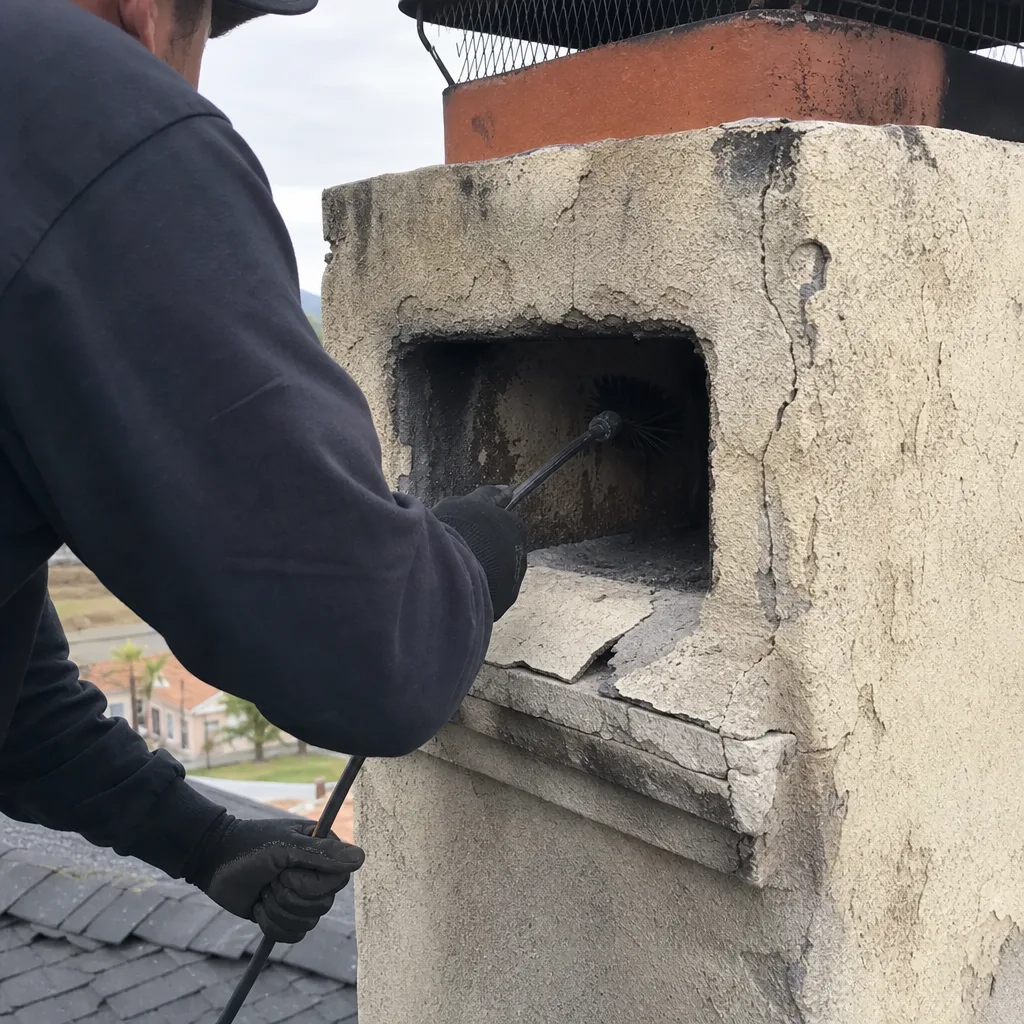 Before
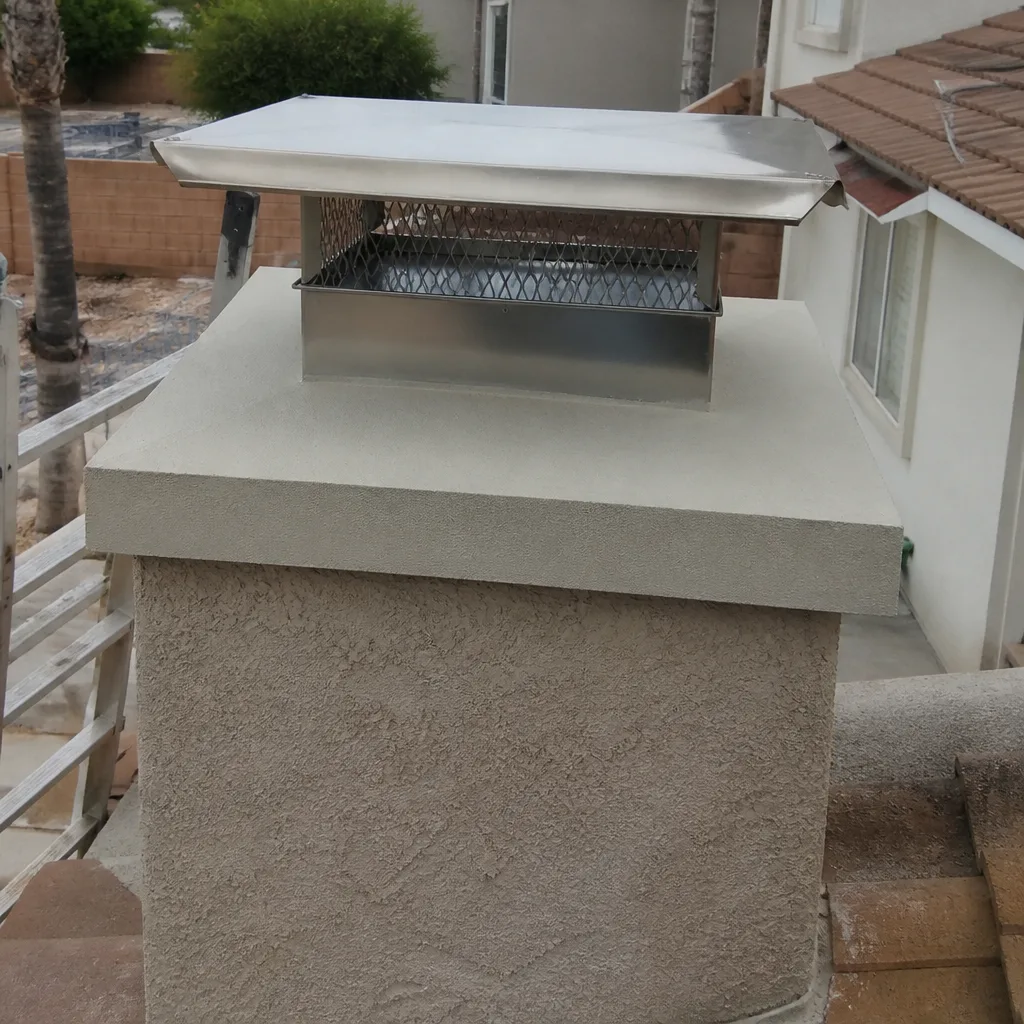 After
 Before
 After
 Before
 After
When to Call a Professional
Call a professional when you see any of these: smoke rolling into the room, white staining that comes back after cleaning, rust on the damper or firebox, a persistent summer odor from the fireplace, water staining near the chimney chase, or a fire that will not burn hot no matter what you do with wood and damper. These are not normal behaviors. They are mechanical messages, and they do not stop being true because you stop looking at them.
Call a professional before you buy a home with a fireplace. A Level 2 chimney inspection is the cheapest insurance you can get against a chimney that needs thousands of dollars of work in the first year. Call a professional if your chimney has not been inspected in more than two years, even if everything seems fine. Seeming fine is not the same as being fine. A camera inspection sees what the eye from the hearth cannot.
Mayflower Chimney Sweep offers free estimates in Murrieta. Call (877) 819-0285 and we will schedule an inspection, explain what we found in plain language, and give you an honest scope and price. No upsell, no pressure, no mystery components.
Frequently Asked Questions
A white, chalky stain on the exterior masonry is efflorescence, and it means water has entered the brick or stone, dissolved the salts inside, and carried them to the surface. It is evidence of an active moisture problem, not a cosmetic blemish. The water usually enters through a failed cap, a cracked crown, or deteriorating flashing.
No. A creosote smell in warm weather means the flue has enough creosote buildup that its volatile compounds are releasing into the house. The solution is a professional sweep. A musty or moldy smell is different and points to water in the system. An animal smell points to nesting or a dead animal in the flue.
You know if a camera inspection shows the liner is cracked, collapsed, or rusted through, or if smoke consistently rolls into the room on every fire. The only way to be sure is to look at the liner directly. That is what we do before we ever recommend a relining job, because replacing a liner that is still sound is a waste of your money.
Once a year if you burn wood regularly, even if the fire is only seasonal. The National Fire Protection Association standard is to sweep once creosote reaches 1/8 inch, but by the time you can measure that yourself, you have waited too long. Annual sweeping is the practical rule. Gas fireplaces need less frequent sweeping but still benefit from an annual inspection.
You can, but you should not. The tools are cheap, but the work is dirty and the diagnostic part, the inspection that finds the liner crack or the failed cap, does not happen with a brush and a shop vac. What you miss is the thing that matters. A professional sweep includes a mechanical diagnosis, not just a scrubbing. If you insist on DIY, at least schedule an inspection afterward so a professional sets eyes on the system.
Stop burning immediately. Open the damper fully, extinguish or let the fire die, and call for an inspection before the next fire. Smoke in the room means carbon monoxide in the room, and the cause needs to be found before you burn again. Most smoke rollout issues are fixable, and the fix is often simpler than homeowners fear. The sooner you diagnose it, the sooner you can enjoy the fireplace instead of fighting it.
The Bottom Line
Chimney warning signs are not dramatic. They show up as a stain, a smell, a struggling fire, or a streak of rust, and every one of them has a mechanical explanation. The trouble is that homeowners are told what to look for without being told what those signs mean. Efflorescence means water entry. A summer smell means creosote. Smoke rollout means draft failure, blockage, or liner damage. A weak fire means restricted airflow. None of these self-correct. The chimney is not a system that heals. It degrades slowly, and the homeowner who reads the signs early pays hundreds to fix what the neighbor who waited pays thousands to rebuild. If you are seeing any of these signs in your Murrieta home, call (877) 819-0285 and get it looked at. The inspection is the conversation. The repair is just a decision that follows.
Written by the team at Mayflower Chimney Sweep, serving Murrieta since 2013.