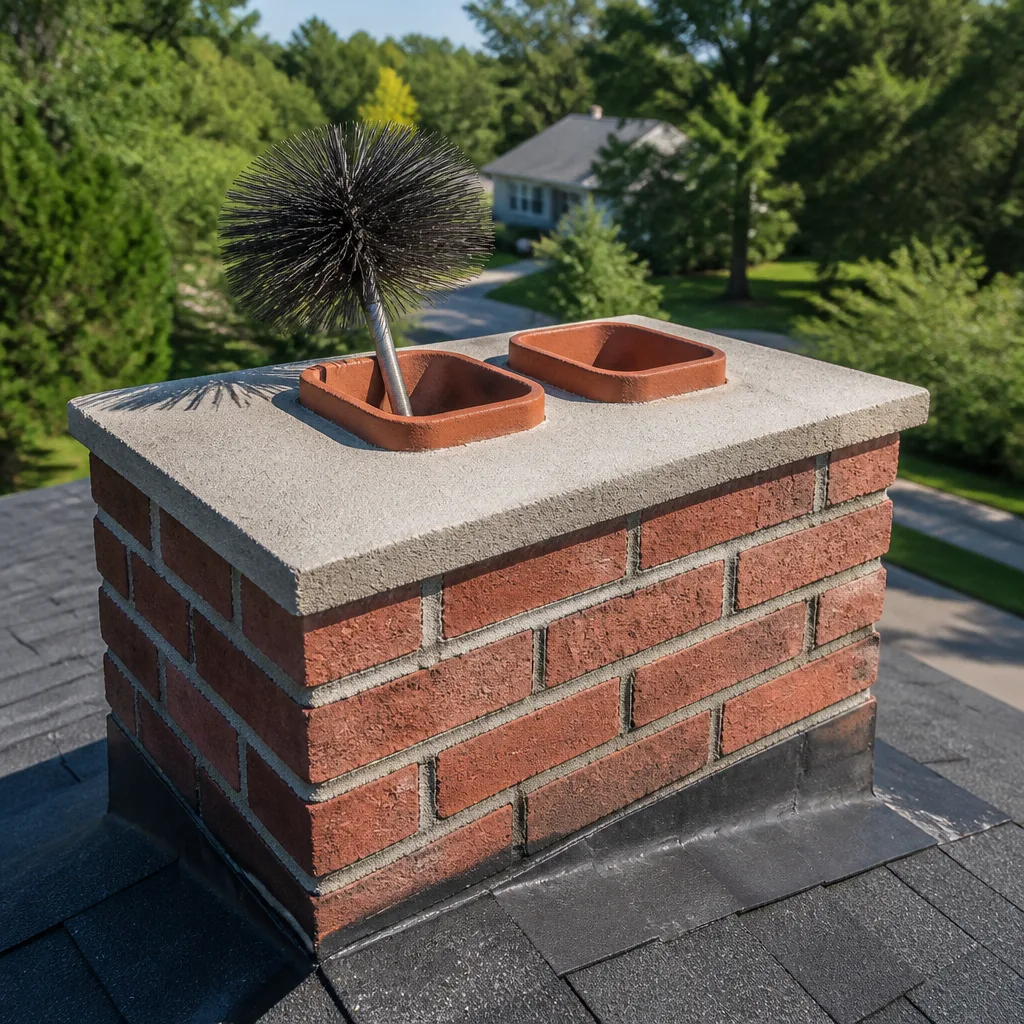
 Sweep & inspection
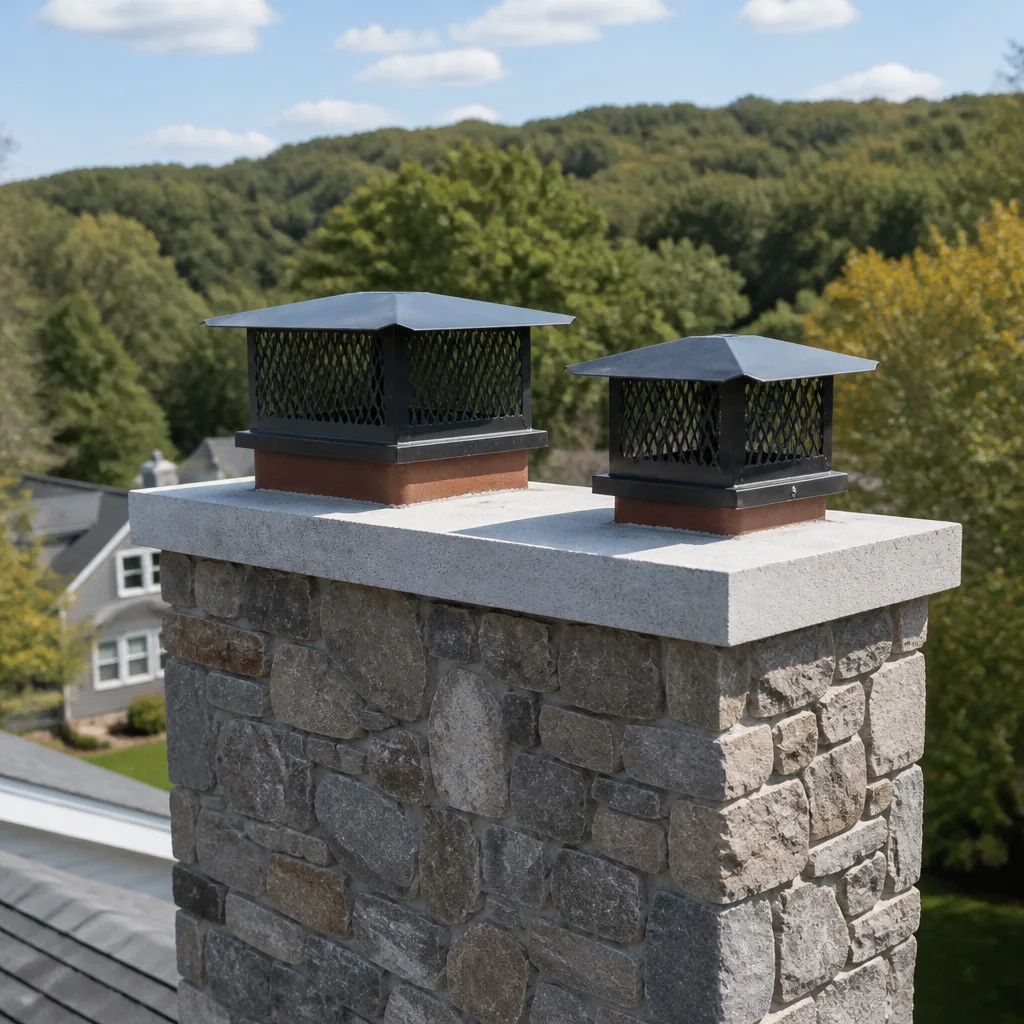 Caps & crowns
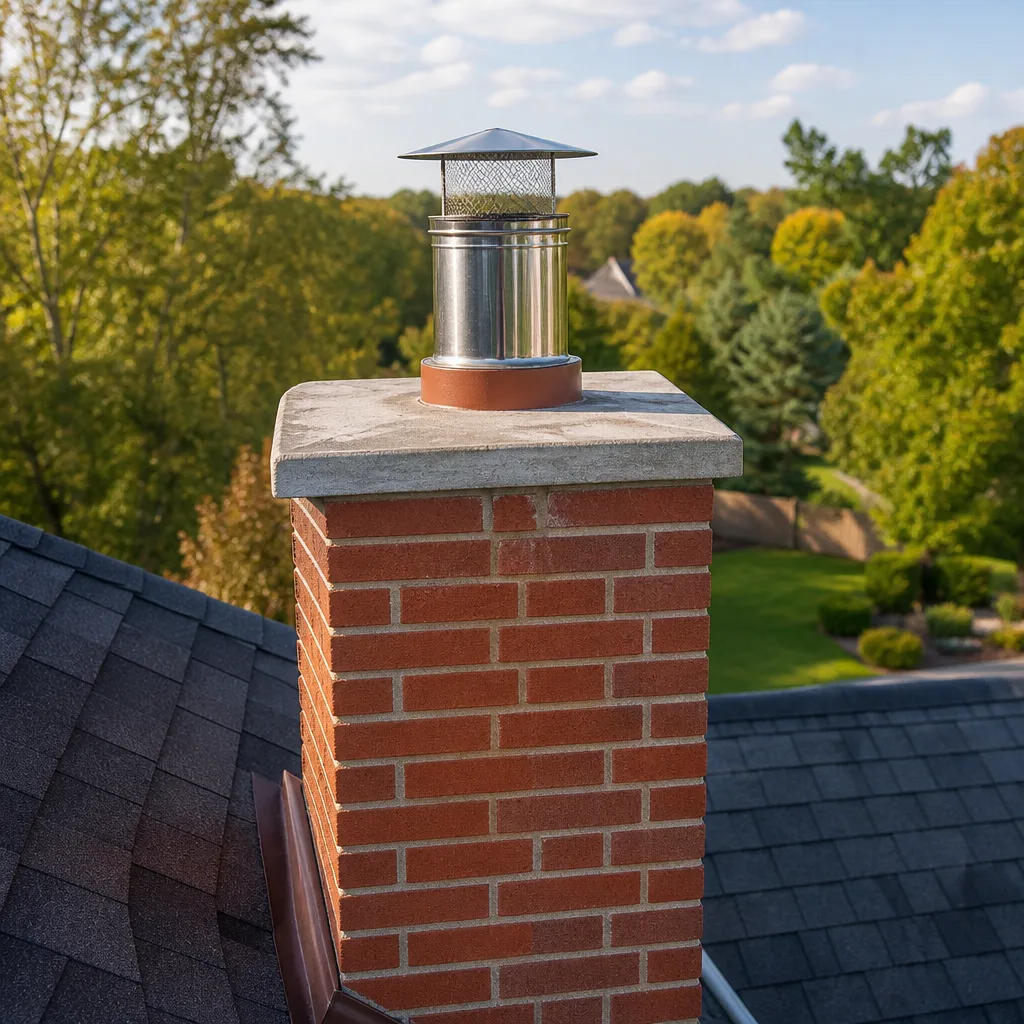 Flue relining
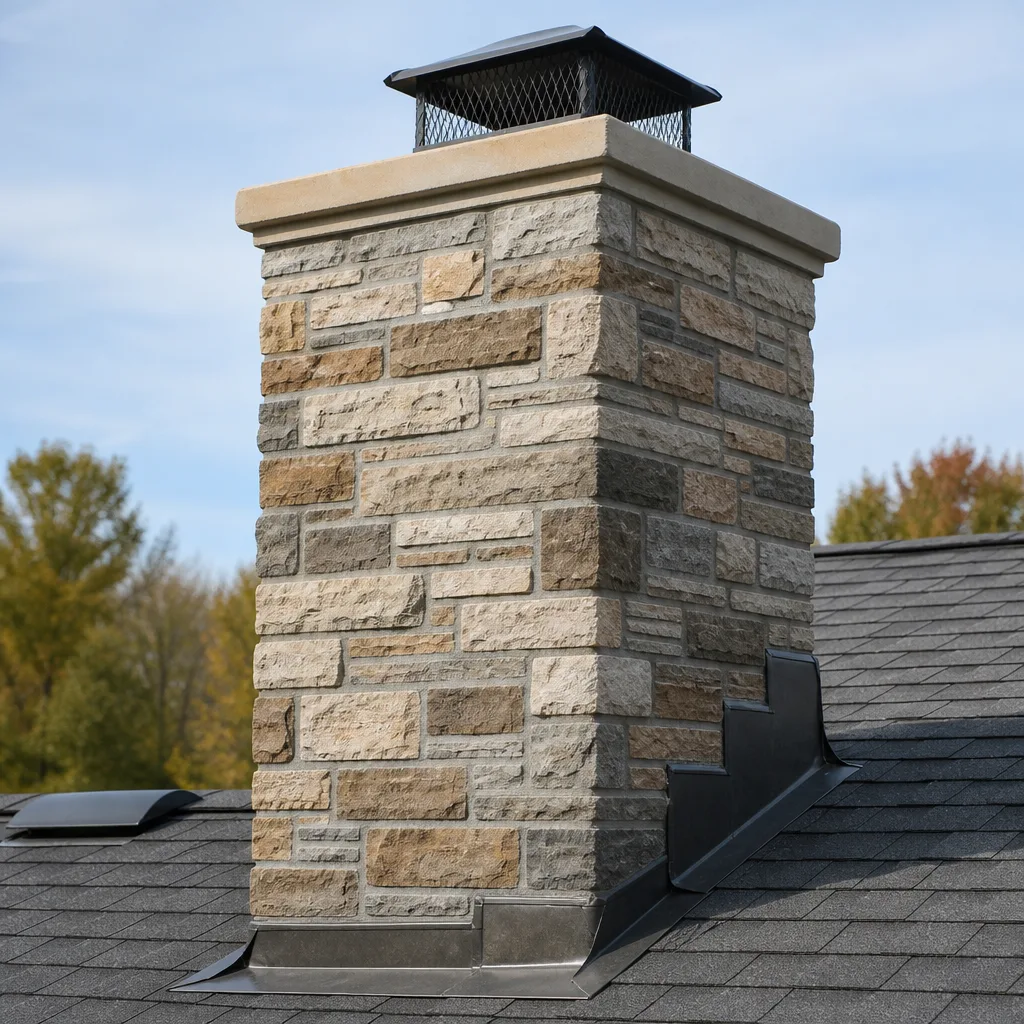 Masonry repair
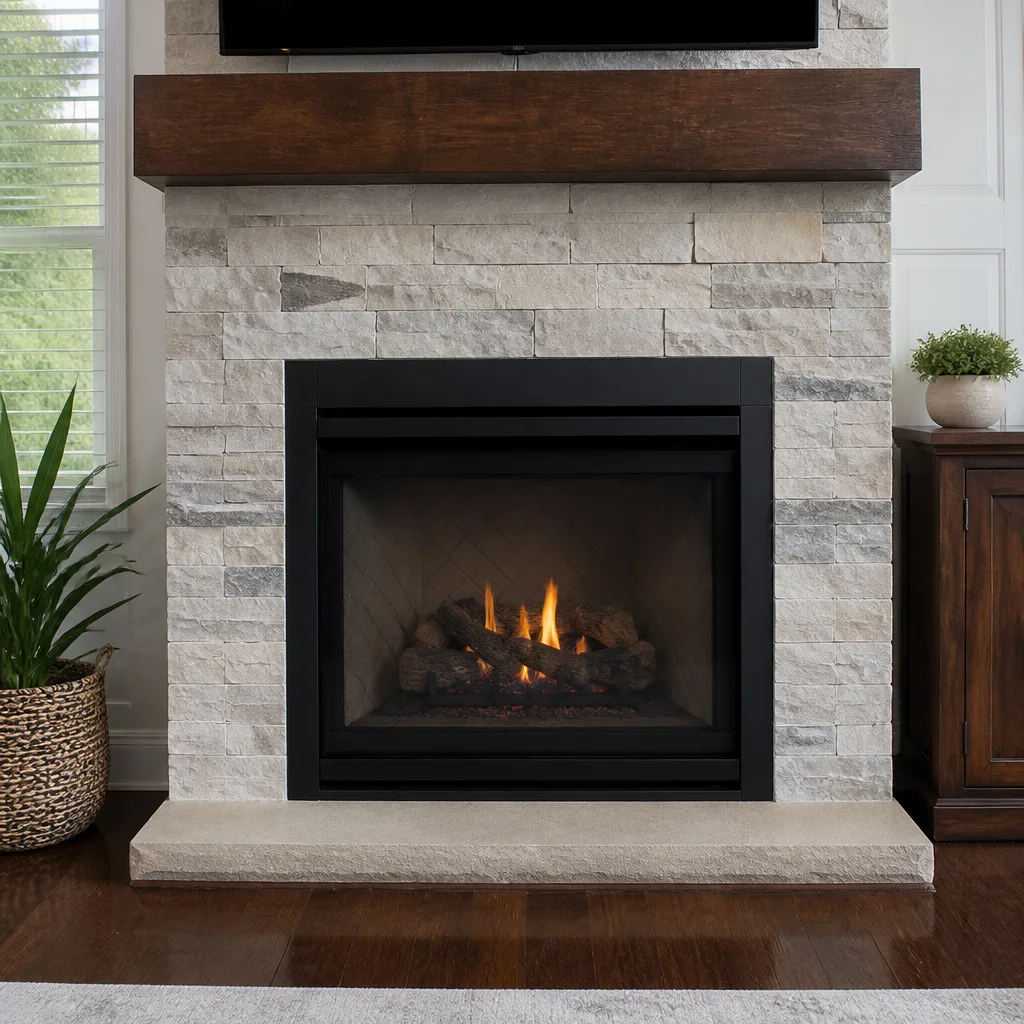 Gas fireplace service
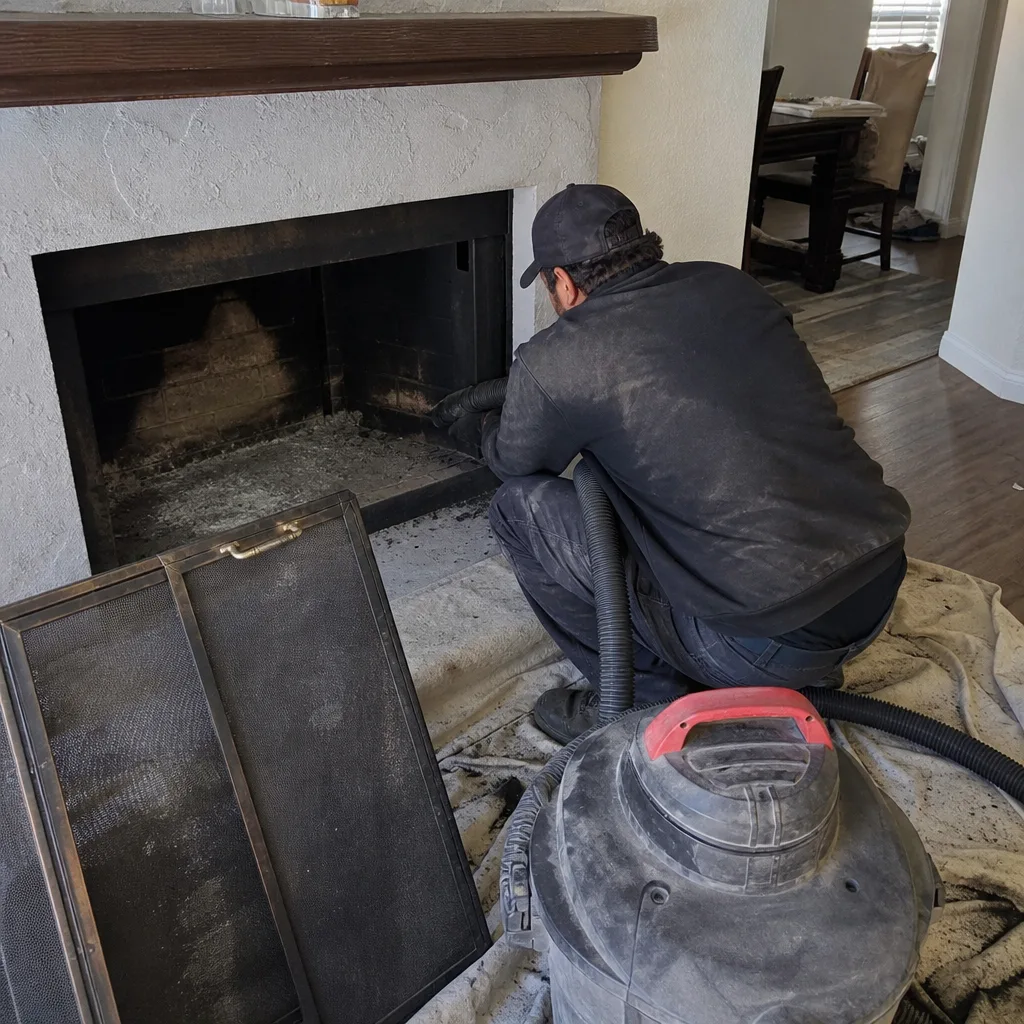
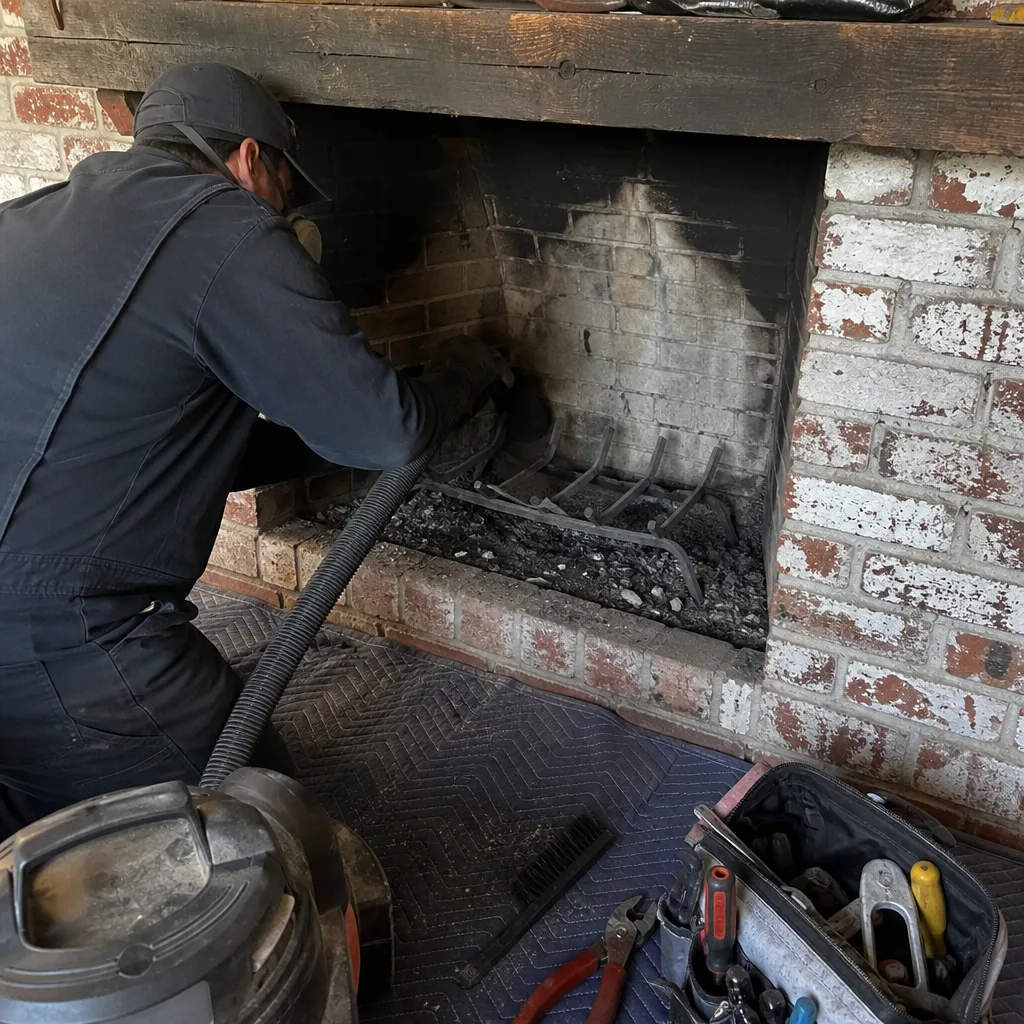
Level 1 sweep and inspection to the NFPA 211 annual standard - flue, crown, cap, and flashing checked and photographed
Chimney sweep logs do not sweep chimneys. They loosen some creosote - which then falls where a brush and vacuum still have to collect it.
HeatShield Chimney Cleaning in Highland, CA | Mayflower Chimney Sweep
We provide independent HeatShield chimney cleaning and relining service across Highland’s 92346 zip code, and the one thing that makes our work here different is that we see how HeatShield liners actually age inside mid-century clay-tile flues, not how they perform in a catalog. Homeowners looking for HeatShield in San Bernardino County face similar aging patterns in their mid-century flues. Most Highland homes were built between the 1950s and 1970s with original masonry fireplaces, and when a HeatShield system has been installed over that older tile, the bond between the cast-in-place liner and the original clay is where problems start. Call (877) 819-0285 and we’ll tell you straight whether your chimney needs a sweep, a liner repair, or nothing at all.
Why Highland Residents Choose Us for HeatShield Service
Nolan Crisp has spent close to eighteen years working chimneys, and the crew has pulled and re-set HeatShield flue liners in Highland’s older masonry stacks enough times to know the product’s real-world failure points. We’ve also handled HeatShield repair in Muscoy, where the same foothill climate stresses liner systems year-round. The foothill climate here doesn’t let a marginal liner hide for long. Santa Ana winds drive grit and embers into caps and crowns every fall, and the thermal swing between hot inland days and cold winter evenings stresses every seam in a liner system. We’re an independent outfit, which means we don’t push HeatShield because a manufacturer rep told us to. We recommend it when the flue actually needs it, and we say so plainly when it doesn’t.
Our familiarity with HeatShield sales & service runs deep because we stock and install the same OEM components used by professionals nationwide: the CeCure sleeve, the resurfacing compound, and the insulation mix. For Highland homeowners, that means no waiting on a back-ordered part when a liner joint loosens after the first fall wind event. We keep what’s needed for the common fixes on hand.
Styles & brands we work with
Common HeatShield Chimney Cleaning Problems We Solve in Highland
- Cast-in-place liner delamination over original clay tile. Many 1960s stucco homes in Highland had HeatShield sleeves poured over clay tile that was never fully prepped for bonding. The liner starts to separate, and you’ll see flaking material in the firebox or hear a hollow sound when we tap the flue wall. Our sweep confirms it with a Level 2 camera inspection before we quote any fix.
- Insulation mix settling and leaving void gaps. Behind the sleeve, the insulation mix can settle over time, especially in chimneys that run hot all winter. Those voids show up as cold spots and weak draft on December evenings. We probe for them during routine HeatShield cleaning, because they’re invisible from the top and bottom without the right tools.
- Resurfacing coat cracking over spalled clay tile. The original clay tile in Highland homes after fifty-plus years often has hairline cracks that a resurfacing coat can mask for a while. But the temperature swings that come with Santa Ana cycles reopen those gaps. We see it most on foothill streets where wind exposure is constant.
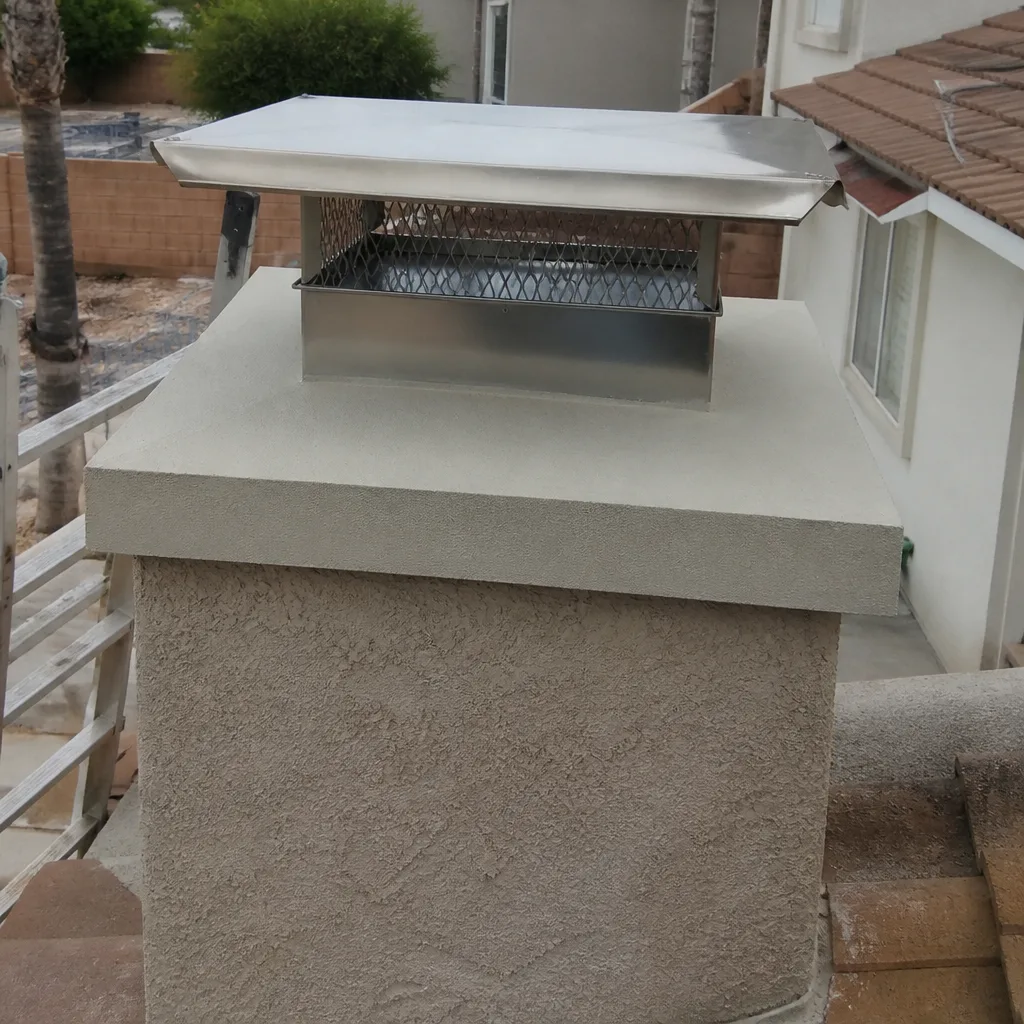
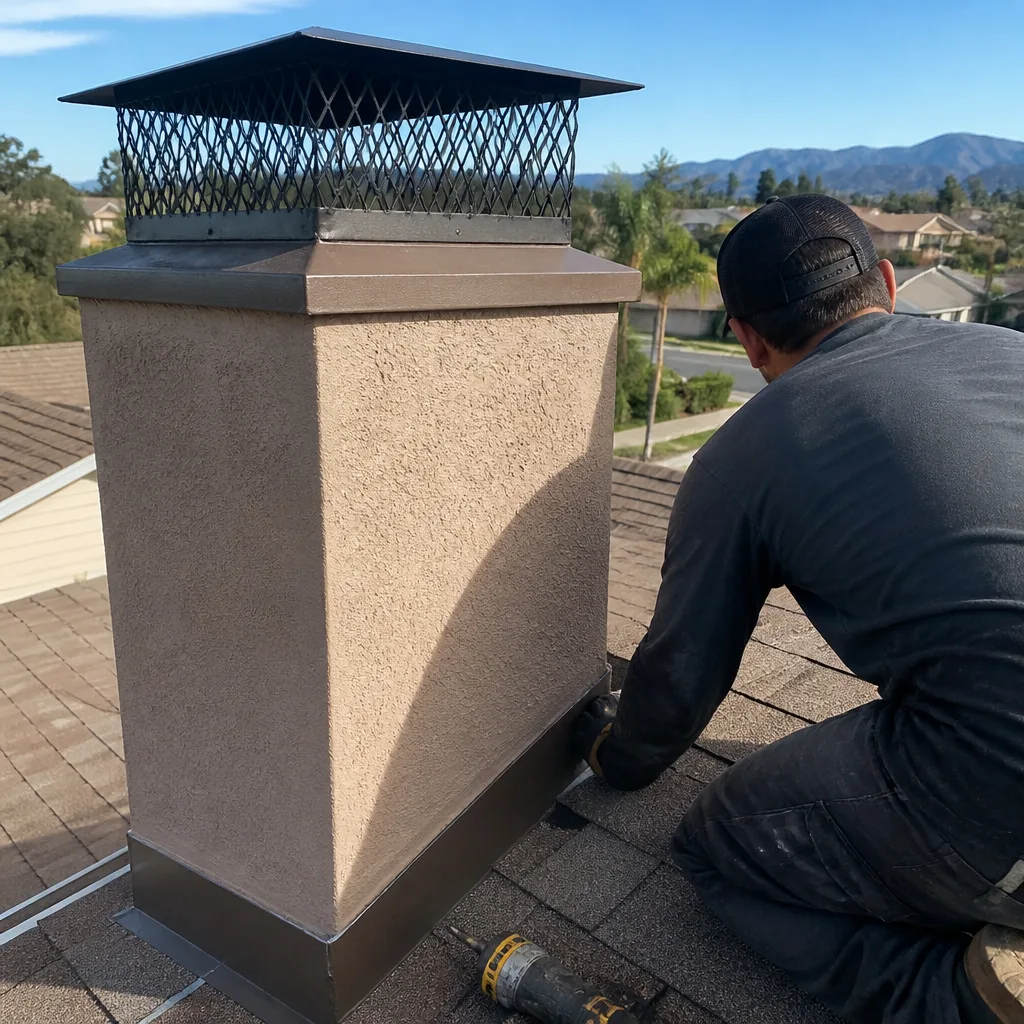
- Cap and crown clogging after the first Santa Ana wind. Shingle grit, leaf litter, and ash pack into chimney caps and spark arrestors in one wind event. When a HeatShield system’s top termination gets buried, draft drops and smoke backs into the living room. This is the most common week-one call we get from Highland before the first cold night.
- Liner joints loosening at the top termination. Wind-driven debris loading doesn’t just clog, it physically works the joint where the liner meets the cap. We re-seat and secure those connections during cleaning, using HeatShield’s specified materials rather than generic patch.
HeatShield Service in Highland: What Local Conditions Mean for Your Equipment
Highland’s mid-century stucco homes often have clay-tile flues sized for a single open-hearth fireplace, and that geometry creates a problem nobody talks about in brochures. When an owner in one of those 1950s-to-1970s tracts adds a wood insert, the existing flue is undersized for the new appliance. The insert pulls more air than the old tile diameter was designed to handle, which means draft problems, creosote buildup in the wrong places, and sometimes overheating at the liner joints. We catch that mismatch during a Level 2 inspection, and it’s the single biggest reason HeatShield relining questions come up in Highland more often than straight sweeping calls. The same pattern drives HeatShield in Redlands, where mid-century tracts face identical insert-to-flue mismatches. A chimney that worked fine for an open fire may simply not work for an insert without a properly sized, properly insulated liner. This is the kind of thing that checks out in a camera report, not a sales pitch.
We had a call on a foothill street in the 92346 stucco tract: a whistling, smoking chimney before the first cold night. The multi-flue cap had packed solid with shingle grit and leaf litter from the season’s first Santa Ana wind. After clearing the cap, our Level 2 camera found cracked clay tile with a failed refractory coat underneath. We re-set the flue with HeatShield’s cast-in-place sleeve and insulation mix and refit the cap. The fireplace drafted cleanly the same evening. That’s the reality of HeatShield work here: the wind finds the weak spot, and then we find the rest.
HeatShield Models & Products We Service in Highland
We service the full HeatShield product family that’s installed in Highland homes: the CeCure Sleeve Relining System for cast-in-place insulating liners, the Resurfacing Compound for cracked and spalled clay-tile flues, Heatseal UL 1777-listed lining for wood-burning fireplaces, and the insulation mix used for backfilling oversized or corbelled flues. When a repair is needed, we use HeatShield’s specified OEM resurfacing compound, sleeve, and insulation mix, because the chemistry and the UL listing depend on matching components. We won’t substitute a generic refractory patch on a listed system. If the original clay flue is still sound after a Level 2 inspection, we’ll tell you to skip the reline entirely.
See the difference
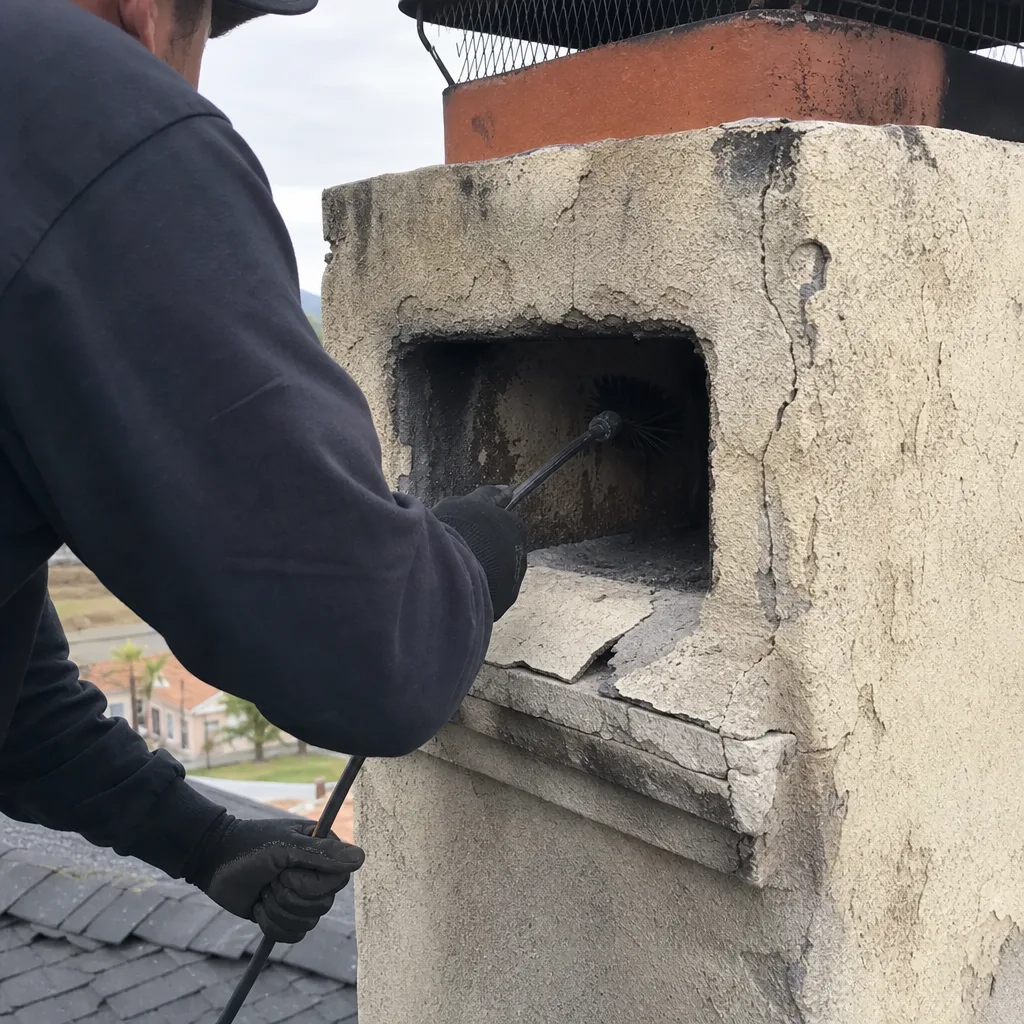 Before
 After
 Before
 After
 Before
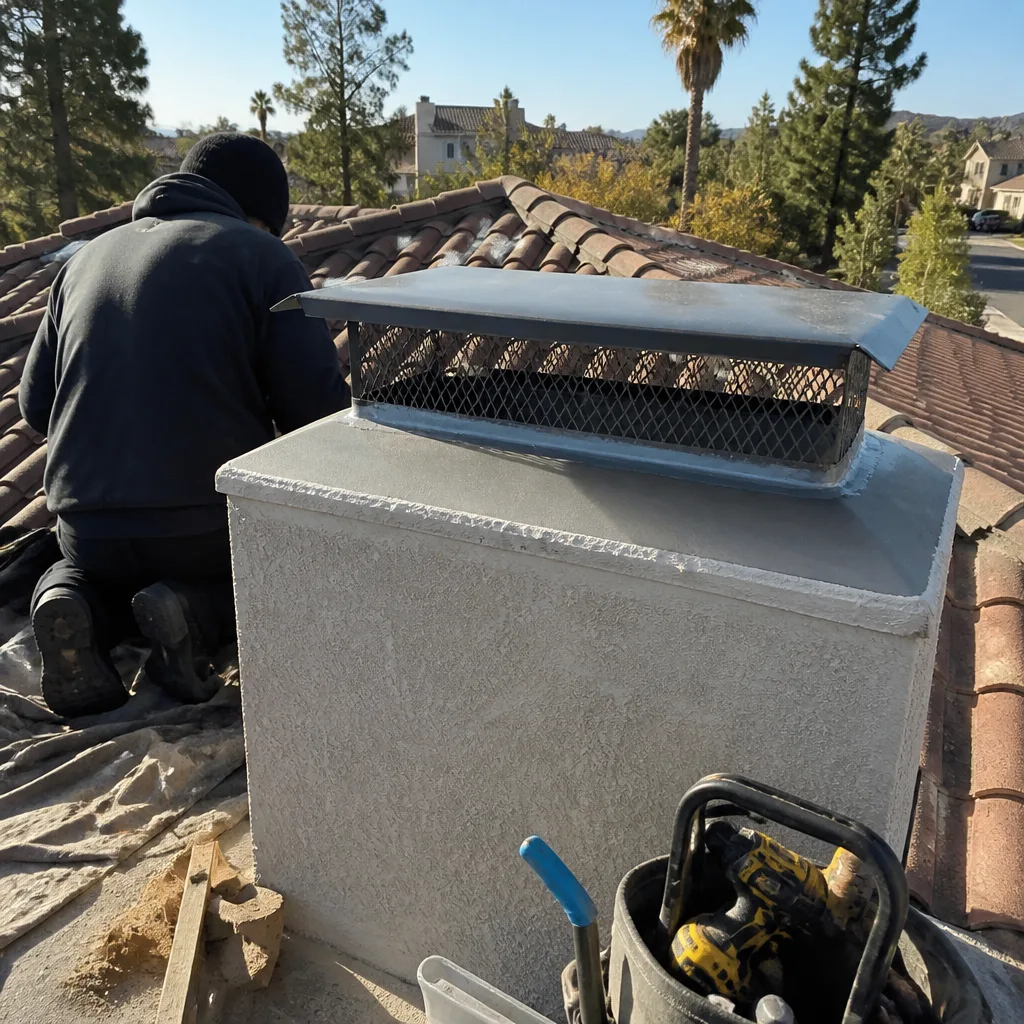 After
HeatShield Service Pricing in Highland
What you pay depends on what the camera finds, not on what we decide to sell you that day. A standard sweep with a Level 1 inspection runs one price; adding a Level 2 camera inspection costs more because it takes more time and equipment; relining work with HeatShield components is a separate quote based on flue height, liner condition, and access. Here’s the honest breakdown for Highland:
- Standard chimney sweep and Level 1 inspection: generally runs $180 to $340, depending on flue condition and roof access. Creosote removal is included.
- Level 2 camera inspection: $200 to $450, depending on what we’re looking for and whether the chimney serves an insert or a standard fireplace.
- HeatShield resurfacing compound application: $70 to $120 per square foot, depending on tile condition and access.
- HeatShield CeCure cast-in-place reline: $2,500 to $7,000, driven by flue height, corbelling, and whether the old tile needs to be removed first.
Those are the ranges we quote from; your exact quote comes from the inspection, not from this page. We send you a photo report before we do any work beyond the sweep, so you can see the condition yourself. Call (877) 819-0285 for a free estimate and we’ll walk you through exactly what your chimney needs.
Serving Highland, CA — Our Local Coverage Area
We’re based in the Highland area and know this community well. Use the map below to see our service coverage — if you’re nearby, we can almost certainly help.
FAQs – HeatShield Chimney Cleaning in Highland
Sweeping is enough when the original clay tile is still intact and sized correctly for the appliance. A 1960s Highland stucco home with its original open-hearth fireplace and a sound flue may never need a liner. But if we see cracked tile, gaps, or an undersized flue that’s been paired with a wood insert, a HeatShield liner becomes a safety necessity, not an upgrade. You’ll see the camera footage before we quote anything. Call (877) 819-0285 if you want a straight answer.
The first strong Santa Ana wind of the season loads caps, crowns, and spark arrestors with shingle grit, leaf litter, and ash. Air can’t move through a packed cap, so it whistles where it leaks and smoke reverses into the house. This is a Highland-specific pattern, and it’s the reason many of our week-one calls are for blocked chimneys rather than routine sweeps. A cap cleaning plus inspection fixes it fast.
Usually yes, because Highland’s mid-century flues were sized for an open hearth, not for the draft demands of a modern insert. The undersized clay tile can’t handle the extra heat and exhaust volume, and that’s a fire risk. A properly sized HeatShield liner brings the flue back into spec for the new appliance. We’ll measure it during inspection and tell you if the liner is needed or if the existing flue can handle the insert.
It can, but most installs in Highland’s older stucco homes require removing the original throat damper so the sleeve, compound, and insulation mix can be applied without voids. The older cast-iron dampers in these houses corrode anyway, so taking them out usually solves another problem at the same time. We’ll walk you through what’s behind your damper before we quote the work.
No. We are an independent HeatShield service provider, not an authorized dealer and not endorsed or partnered with the manufacturer. We use their OEM materials because the UL listing depends on specified components, but we recommend the liner system only when a Level 2 inspection shows the flue actually needs it. If the clay is sound, we’ll say so and leave it alone. Call (877) 819-0285 for an honest read on your chimney.
Service Areas Near Highland
We run HeatShield service throughout the San Bernardino foothills and the broader inland corridor. That includes Highland service area calls from the 92346 zip code and surrounding communities. We also cover HeatShield service in Santa Ana for clients who reach us from the Orange County side, and HeatShield service in Orange when work takes us west. If you’re in Murrieta, Wildomar, Temecula, or Lakeland Village, we can usually schedule within a few days.
Book Your HeatShield Service in Highland Today
If your chimney is whistling, smoking, or hasn’t been swept since before the last Santa Ana season, call (877) 819-0285. We’ll schedule a sweep or a Level 2 inspection, show you what the camera finds, and quote only what the flue actually needs. If it needs doing, we’ll tell you. If it doesn’t, we’ll tell you that too.
Written by Nolan Crisp, Owner at Mayflower Chimney Sweep, serving Highland and the surrounding foothill communities.